
Tax Parents Less. Do Not Put Them on the Dole.
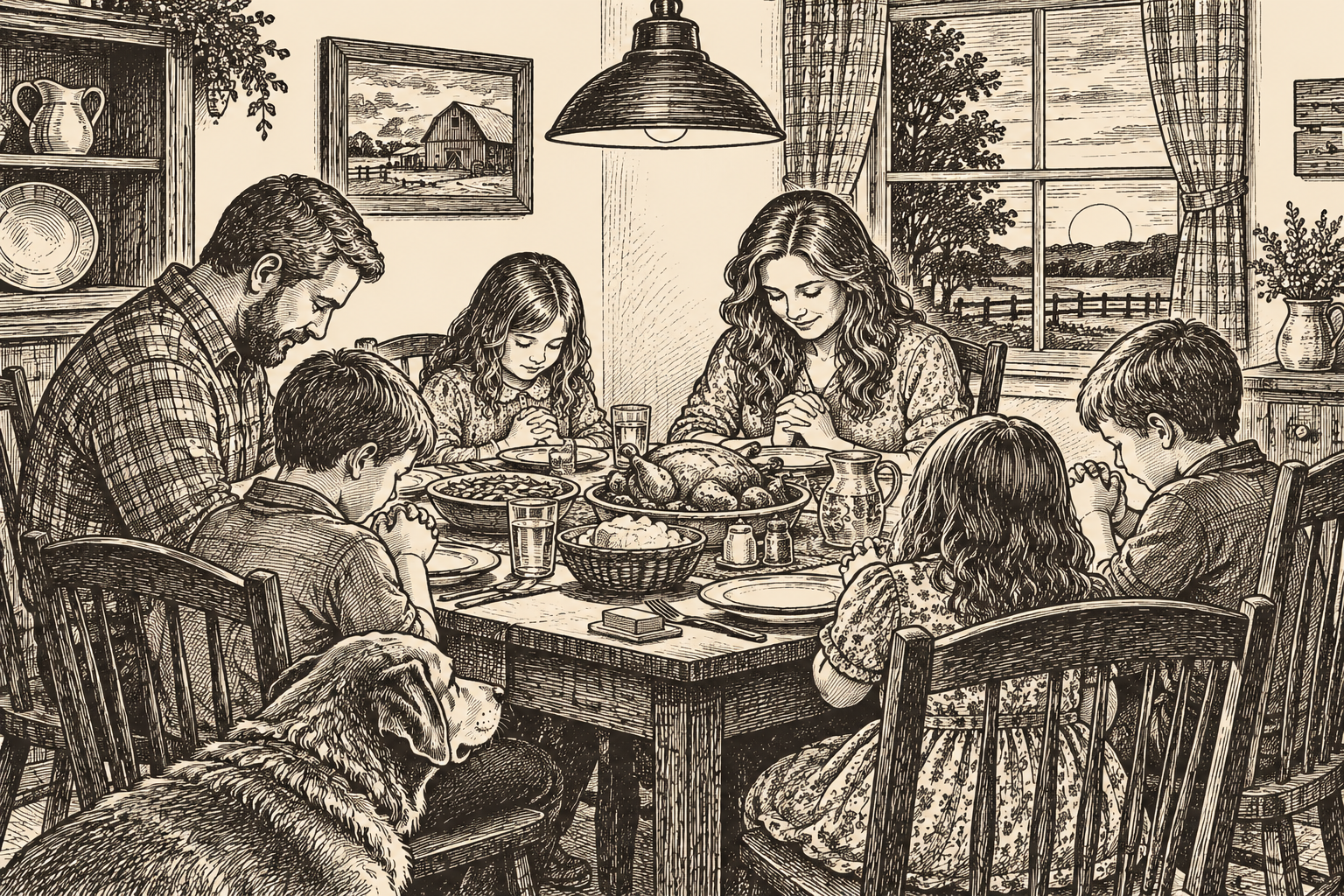
N.B. This follows “A Parent is Not a Vendor.”
If policy can pay a parent for being a parent, it can pay a person for being a person. That is the sentence the Vance draft cannot survive.
A future Democratic administration will not need to love stay-at-home marriage. It will keep the payee and delete the adjectives. It will call the marriage gate discriminatory, relax the hours test, raise the income cap, and tell Congress the Child Care and Development Fund is oversubscribed, which it will be. Ro Khanna already wrote a monthly stay-at-home stipend through the IRS. The 2021 credit already trained the country to take Treasury deposits for children. Stack that cash on a daycare build-out and the slogan is choice. The fiscal fact is two programs. Then caregiving is work, work deserves a wage, and the dependent no longer has to be under thirteen. The last step is classic basic income. Every step before it is how you get there without saying the word.
Heed the path. A stay-at-home parent is not a vendor. The moment Health and Human Services writes a check because of who you are in a household, the state has conceded the major premise of a universal grant. Democrats will only change the status.
That is why taxing parents less is conservative policy and putting parents on the dole is not.
The Child Tax Credit is the instrument. For 2026 it is twenty-two hundred dollars per qualifying child under seventeen. Up to seventeen hundred of that can come back as a refund once the household shows earned income above twenty-five hundred dollars. The full credit holds until two hundred thousand of income for a single filer and four hundred thousand for a joint return. Both the child and the parent need a Social Security number. The credit does not ask whether the child sits in a center or a kitchen. It does not ask HHS to hire the parent.
Raise that credit. Make more of it refundable. That is the follow-on.
Put two children in a Texas house. Dad works. Mom is home.
Today they take forty-four hundred dollars off the tax bill, or up to thirty-four hundred back if they owe little. Lift the credit to three thousand and fully refund it and they keep six thousand. Lift it to four thousand and they keep eight thousand. They file. They do not prove mom is a provider. They do not wait for a state allocation to clear. They do not take a slot from the single mother down the street who uses the daycare pot to hold a job.
The Vance headline is larger. Nine thousand a child. Eighteen thousand for two. It looks like a raise. It is a lottery ticket drawn on a twelve-billion-dollar pot that already reaches about one in six eligible children. Four-fifths of the families on that program are headed by a single working parent, usually a mother. In Texas a family of four ages out of the subsidy around ninety thousand dollars. Above that line the Vance check is zero and the child credit still pays. Most married one-earner houses that need relief live on the credit side of that line, not on an HHS certificate.
Refundability is what makes the credit work at the bottom without a welfare office. A one-earner house at thirty-five thousand may not owe forty-four hundred in income tax. If more of the credit is refundable, they collect because they have children, not because mom enrolled as a vendor.
Functionally the expanded credit is the better deal on every count that should matter to a conservative.
It pays the child, not the arrangement. Dual-earner and one-earner houses get the same per-child amount. The family decides on work, kin, and care. The Vance draft pays only if one adult stays home and the other clears an hours test. That is an explicit subsidy to one household form, financed by crowding.
It stacks with the existing subsidy instead of raiding it. The working single parent keeps her slot and still gets the credit at tax time. The Vance draft puts her in a queue with a new claimant class and no new money unless appropriators “make it whole.”
That “make it whole” vote is how the thing explodes. CCDF already has a discretionary line in Labor-HHS. Republicans doubled the discretionary line in 2018. Democrats raised it again in 2023. Open parent-based care and establishment Republicans will say they will not let a family rule rob single mothers, so they must grow the account. Democrats will say the category is too narrow. The conference report writes a bigger number. A twelve-billion-dollar work program becomes thirty without a bill titled Welfare. A child tax credit cannot be inflated that way by a secretary and a conference intern.
It keeps the parent off a ledger. CTC lives in Title 26. Rates, phase-outs, and refundability require a recorded vote. Vance lives in an eligibility category plus an appropriation. The first year they reallocate. The second year they add a line so the reallocation does not look cruel. The third year the pot is the program, and a no vote is a vote against moms.
Grow the credit that follows the child. Stop enlarging the credit that follows the invoice. Leave the Child Care and Development Fund to working parents who use it. Do not hand the next administration a federal theory that a parent is a payee for being a parent.
A larger child tax credit says the government takes less of what you earned because you had children.
The Vance draft says the government will put you on the daycare payroll if you had children in the approved way.
The first is a lighter take. The second is the dole with a family hymn. One you explain at the table as we kept more of the paycheck. The other you explain as we applied, we qualified, and a working mother is further down the list.
Tax parents less. Do not put them on the dole.
Heed this.
