
Bolivia’s Lithium Joins the Hemispheric REE-naissance
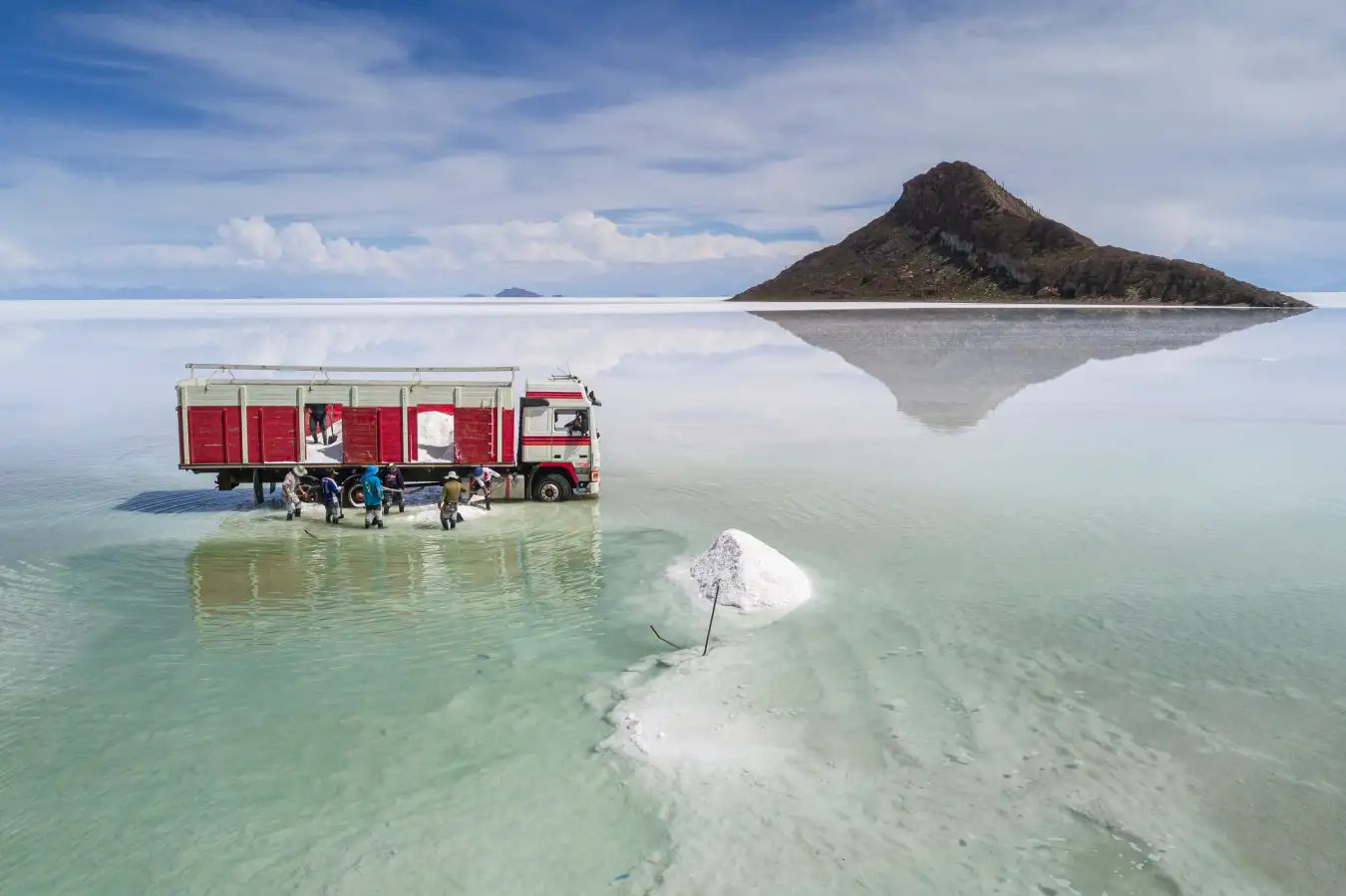
As the Trump administration accelerates America’s critical minerals independence through landmark legislation and domestic breakthroughs, a quiet but seismic shift is unfolding 4,000 miles south in the blinding white expanse of Bolivia’s Salar de Uyuni. The world’s largest lithium reserve-23 million metric tons of “white gold” buried beneath the iconic salt flat-is on the cusp of integration into the Western Hemisphere’s emerging battery metals ecosystem. President Rodrigo Paz Pereira, inaugurated just over a month ago, has signaled a pragmatic review of stalled Chinese and Russian contracts, opening the door to U.S.-led partnerships that could extend the REE-naissance from Utah’s ionic clays to the Andean altiplano.
This Bolivian pivot arrives at a pivotal moment. With China’s grip on 80% of global lithium refining and near-total dominance in rare earth processing, the 2025 policies-including the One Big Beautiful Bill Act’s $100 billion in DPA loans and the NDAA’s CRMN Initiative-are designed precisely to “friendshore” these supplies within democratic alliances. Paz’s centrist government, ending two decades of MAS-rule isolation, is restoring ties with Washington and prioritizing transparency in lithium deals. While no outright cancellations have been announced as of mid-December, the administration’s scrutiny of opaque agreements with CATL-linked consortia and Rosatom’s Uranium One-blocked in Congress amid protests over community consultations and environmental risks-creates fertile ground for American technology transfer.
Bridging North American REE Gains to South American Lithium Brines
Utah’s Silicon Ridge and the REalloys-SRC heavy REE facility provide blueprints that map directly onto Uyuni’s challenges:
- Sustainable Extraction Parallels: Utah’s low-water ionic leaching slashes energy and H₂O use by 70–90%, a model ideal for Uyuni’s arid, high-magnesium brines where traditional evaporation ponds strain scarce freshwater and risk flamingo habitats. U.S. firms like EnergyX, already piloting DLE in the Lithium Triangle, could deploy similar tech under OBBBA incentives, recycling brines to minimize impact on this UNESCO-recognized wonder.
- Hemispheric Value-Chain Integration: Just as Brazil’s Araxá monazite feeds North American separation plants, Uyuni lithium could blend with U.S./Canadian REE outputs for advanced cathodes and permanent magnets. BIOSECURE Act compliance would favor China-free flows, securing DoD and EV needs (e.g., 920 lbs REEs per F-35) while boosting Bolivia’s GDP via downstream processing-echoing IDB calls for regional refining over raw exports.
- Policy and Funding Synergies: Paz’s market-friendly reforms align with Trump’s “Trump Corollary,” prioritizing hemispheric sourcing. Potential $2–5 billion inflows mirror Utah’s ancillary economic surge, with EXIM Bank-style financing unlocking DLE scaling by 2027–2030.
| Development | Utah REE Breakthrough | North American Heavy REE (REalloys/Brazil) | Bolivia Uyuni Lithium Opportunity |
|---|---|---|---|
| Reserves/Scale | 1.2B tonnes clays; 500K tonnes REEs/yr potential | Heavy REE scaling; Brazil 40M+ tonnes feed | 23M tonnes lithium; 100K+ tonnes/yr DLE target |
| Key Technology | Low-impact ionic/acid leaching | AI solvent extraction; >99.9% purity | DLE for high-Mg brines; brine recycling |
| U.S. Policy Leverage | $450M DPA loans; OBBBA/NDAA fast-track | Continental pacts; DoD offtake | Review of adversary deals; potential $100B loans |
| Geopolitical Benefit | 40% reduction in heavy REE imports | China-free heavy REE by 2027 | Pivot to Western partners; counters BRI influence |
| Economic/Env. Impact | 3% Utah GDP boost; minimal water | Stable pricing; recycling integration | 5–10% Bolivia GDP potential; protects salt flat |
Risks and the Path Forward
Caution remains warranted. Bolivia’s history of unrest, legal hurdles (state control mandates), and Indigenous concerns around Uyuni- a cultural and tourism icon-demand equitable models with robust community buy-in. Rushing reforms risks protests, as seen in prior congressional brawls. Yet Paz’s measured approach-certifying reserves, pushing service contracts, and vowing not to “sell out” the flats-offers a balanced path.
For the U.S., this is low-hanging fruit in the critical minerals race. Integrating Uyuni could slash China’s battery metals dominance by 10–15% within a decade, fortifying supply chains from Saskatchewan separators to Nevada gigafactories. As domestic REE production ramps and Latin American dialogues deepen, Bolivia’s southern pivot completes the hemispheric arc: a resilient, democratic arc of abundance stretching from Utah’s hidden veins to Uyuni’s vast brines.
The REE-naissance is going continental-and the white gold of the south may finally shine for the West.
