
Decoupling from China Through Policy, Partnerships, and Hemispheric Hustle
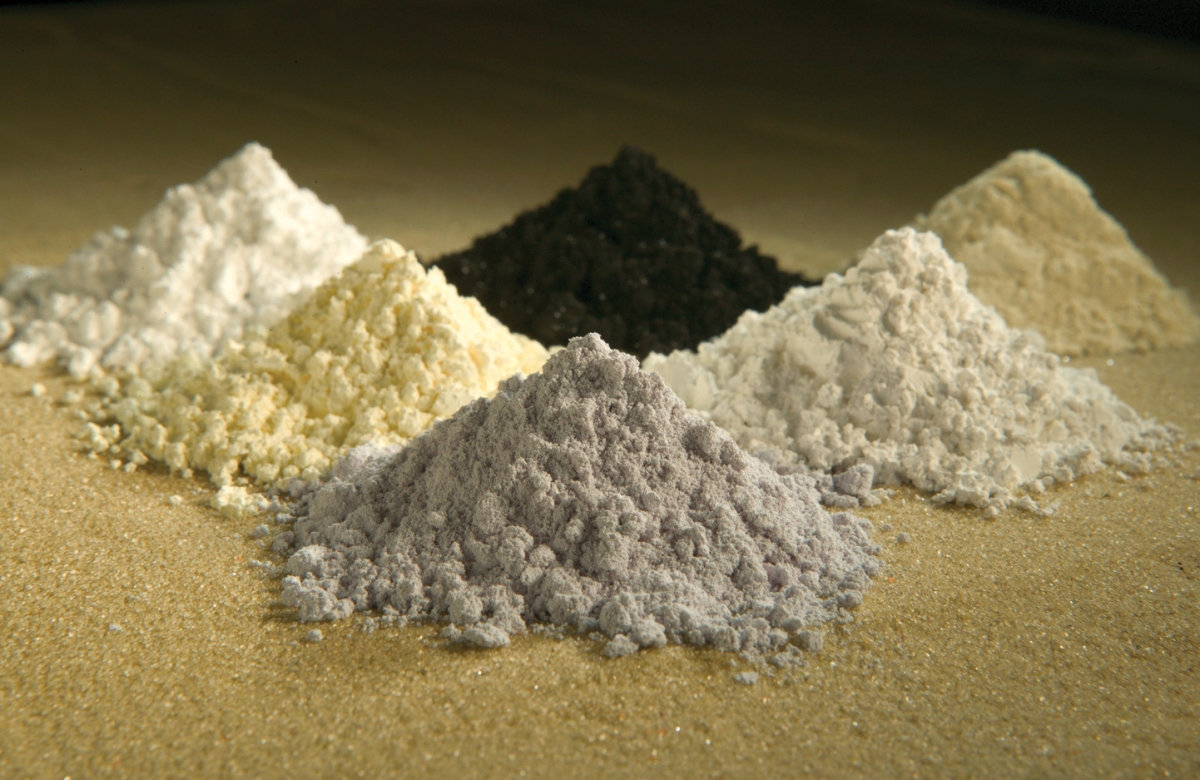
In the high-stakes arena of global supply chains, where rare earth elements (REEs) underpin everything from F-35 fighter jets to electric vehicles and wind turbines, the United States is orchestrating a masterful “flip” in 2025. China’s longstanding dominance-controlling about 90% of global REE processing through outdated, polluting methods-has long exposed Western vulnerabilities, as seen in the 2010 export curbs that spiked prices tenfold. But under the Trump administration’s aggressive playbook, this dependency is crumbling. Framed by the 2025 National Security Strategy (NSS), which elevates REEs to “strategic assets” on par with energy or defense infrastructure, the U.S. is deploying a multifaceted strategy: Sweeping legislation like the One Big Beautiful Bill Act (OBBBA) and the National Defense Authorization Act (NDAA) for FY 2026; groundbreaking partnerships such as REalloys Inc.’s alliance with Canada’s Saskatchewan Research Council (SRC); strategic sourcing from hemispheric allies like Brazil; and the “Trump Corollary” to the Monroe Doctrine, prioritizing Western Hemisphere resilience. Meanwhile, Europe’s bureaucratic entanglements serve as a cautionary tale of missed opportunities. This unified approach-equal parts policy muscle, innovative collaboration, regional synergy, and pointed critique-signals a resilient future, turning complacency into competence.
Policy Pillars: OBBBA and NDAA as Engines of Independence
The foundation of this decoupling lies in robust legislation that translates urgency into action. Signed on July 4, 2025, the OBBBA-a $3 trillion reconciliation package extending the 2017 Tax Cuts and Jobs Act-infuses critical minerals with unprecedented support. Section 30004 allocates $5 billion to the Defense Production Act’s (DPA) Title III for industrial base enhancements, including up to $100 billion in loans and guarantees for REE supply chains compliant with U.S. sourcing rules (e.g., DFARS 252.225-7052, barring ties to China, Russia, Iran, or North Korea). It adds $2 billion for the National Defense Stockpile to acquire REEs from allied sources through 2029, while amendments to the Mineral Leasing Act mandate auctioning 50% of nominated parcels within 18 months and streamline permitting for mining and processing. The modified §45X advanced manufacturing credit (phased down post-2030) incentivizes domestic production, spurring short-term investments in cleaner technologies.
Complementing this, the NDAA for FY 2026-authorizing $900.6 billion in defense spending-operationalizes the NSS with equal vigor. The Critical Minerals and Rare Earth Metals National Security (CRMN) Initiative directs $5 billion toward domestic and allied REE production, hardening supply chains for defense applications. The BIOSECURE Act (Sec. 6703) prohibits DoD contracts with Chinese-linked firms starting in 2026, with full phase-out by 2027, ensuring zero-adversary compliance. The Pacific Deterrence Initiative ($9.2 billion) bolsters Indo-Pacific resilience, where REE-dependent hardware like missiles could falter without secure sourcing. Together, these acts create a $12 billion-plus war chest, enabling projects that address the 920 pounds of REEs needed per F-35 and covering 5-10% of U.S. heavy REE demand. No longer “sleepwalking” into dependency, as past policies allowed, this framework flips the script through funding, diplomacy, and enforcement.
The Partnership Powerhouse: REalloys-SRC as Midstream Mastery
At the operational heart of this strategy is the December 8, 2025, partnership between REalloys Inc. (a merger target of Blackboxstocks Inc., NASDAQ: BLOX) and the SRC, establishing North America’s first commercial-scale, China-free heavy REE facility in Saskatoon, Saskatchewan. This “suite of historic contracts”-including a five-year offtake agreement and commercial processing deal-reestablishes Western midstream capabilities lost to offshoring decades ago.
REalloys, led by CEO Leonard Sternheim, invests approximately US$21 million to expand SRC’s Rare Earth Processing Facility, boosting heavy REE capacity by 300% and light REEs by 50%. The tech: AI-driven separation with over 400 solvent extraction cells, hydrometallurgical processing of monazite ore, and advanced vacuum induction smelting for >99.9% purity outputs. Targeted capacities include 30 tonnes/year of dysprosium oxide, 15 tonnes/year of terbium oxide, and 400-600 tonnes/year of NdPr metal, ramping to REalloys’ planned adjacent plant (200 tonnes Dy metal, 85 tonnes Tb metal, 2,700 tonnes NdPr annually). SRC, with its 80-year legacy and 400+ experts in metallurgy and process chemistry, provides the permitted infrastructure, turning proprietary IP into pollution-reduced innovation.
The offtake: REalloys secures 80% of production (100% of the first third annually, 70% of the remainder, plus ROFR), pre-sold mainly to DoD clients under Title 50 rules. A cost-plus pricing model ensures stability, while feeds blend REalloys’ Hoidas Lake deposit (Saskatchewan’s heavy-REE rich site) with allied recyclers and international sources. Timeline: Facility commissioning in Q4 2025, full operations by early 2027-synced with U.S. sourcing mandates. Market reaction: BLOX shares surged over 12% premarket, reflecting investor confidence in this “resilient allied supply chain,” as Sternheim described it. SRC President Mike Crabtree echoed: “Disciplined innovation” for modern industry. This partnership not only fulfills OBBBA’s incentives and NDAA’s CRMN funding but exemplifies hemispheric execution, with former Ambassador David MacNaughton noting its “continental partnership” strength.
Brazil’s Upstream Bounty: Hemispheric Synergy in Action
No decoupling is complete without diversified sourcing, and Brazil-boasting 21% of global REE reserves-emerges as a key hemispheric ally. REalloys’ September 2025 MOU with Australia’s St George Mining for the Araxá Project in Minas Gerais secures 40% offtake from a 40.6 million-tonne deposit at 4.13% TREO grades, the world’s second-highest. This carbonatite-hosted site yields monazite sands rich in Dy, Tb, and NdPr, blending seamlessly with Hoidas Lake feeds for SRC processing.
Brazil’s role amplifies through reopened U.S.-Brazil dialogues in December 2025, backed by EXIM Bank’s $250 million+ interest in ventures like Meteoric Resources. Projects in Minas Gerais (Poços de Caldas volcanic craters) and Goiás (Minaçu’s pivot from asbestos to REE separation) leverage ionic clays-cheaper and greener to extract-dodging environmental hurdles that plague Europe. This upstream ballast ensures SRC’s scalability, countering ore variability and aligning with OBBBA’s allied stockpiling and NDAA’s BIOSECURE timelines. It’s the Trump Corollary in microcosm: Prioritizing Latin America’s bounty to starve Chinese dominance, with streamlined approvals exposing EU lags.
The Trump Corollary: Reviving Monroe for Modern Geopolitics
Tying it all together is the “Trump Corollary” to the Monroe Doctrine, articulated in the 2025 NSS as a “priority on our own hemisphere.” Reviving James Monroe’s 1823 principle of “America for the Americans” and Theodore Roosevelt’s interventionist addendum, this update counters China’s Belt and Road encroachments in Latin America through friendshoring, tariffs, and fair-trade pacts. It’s not isolationism but strategic focus: Weaken Beijing’s resource grabs by channeling hemispheric riches-like Brazil’s reserves and Canada’s hubs-into U.S.-led chains.
The NSS mandates: Assert the corollary via diplomacy and finance, securing critical minerals from trusted neighbors. In REEs, this manifests in REalloys-SRC’s continental integration, OBBBA’s DPA loans favoring USMCA-adjacent ties, and NDAA’s CRMN emphasis on allied production. Saskatchewan Minister Warren Kaeding celebrates it as a “world-leading rare earth hub,” while U.S.-Brazil pacts grease flows amid tariff tensions (Trump’s 100% China hikes ripple but spare allies). Risks like BRICS buzz persist, yet the corollary’s “common-sense restoration” flips vulnerabilities into strengths, pressuring adversaries and inviting investor windfalls.
Europe’s Enduring Folly: A Contrast in Complacency
Amid America’s unified surge, Europe’s approach offers a mocking mirror of inaction. The EU’s Critical Raw Materials Act (2024) and €3 billion RESourceEU Action Plan aim for 10% domestic extraction by 2030, but bureaucratic “predatory strikes”-endless consultations and environmental edicts-stall progress. Projects like Lynas’ German plant languish, as highlighted in Geopolitical Mining’s December 7 digest on lithium strategies but implicit REE lags. While Saskatoon scales and Brazil booms, Brussels bickers, underscoring the NSS’s critique: Europe must “lead, follow, or get out of the way.” This schadenfreude isn’t gratuitous-it’s a lesson in resolve, where U.S. “rapid-fire” execution leaves the EU drafting memos.
Absolutely brutal… 🇺🇸🇪🇺
The EU Commissioner of Industry:
"Last month, I was supposed to go to Brazil to discuss a rare earth mine. 3 days before, we were told that the Americans had already come, put money on the table, and bought all production until 2030." pic.twitter.com/rYLfLJcD0s
— Geiger Capital (@Geiger_Capital) December 9, 2025
In sum, this REE renaissance-balanced across policy pillars, partnership precision, Brazilian ballast, corollary calculus, and European foil-embodies 2025’s decoupling triumph. Success hinges on execution amid risks like scaling delays or geopolitical flares, but with BLOX’s surge and DoD’s commitments, the flip is underway. America leads; the hemisphere follows; the world watches.
