
I Refuse to Apologize for Loving My Country
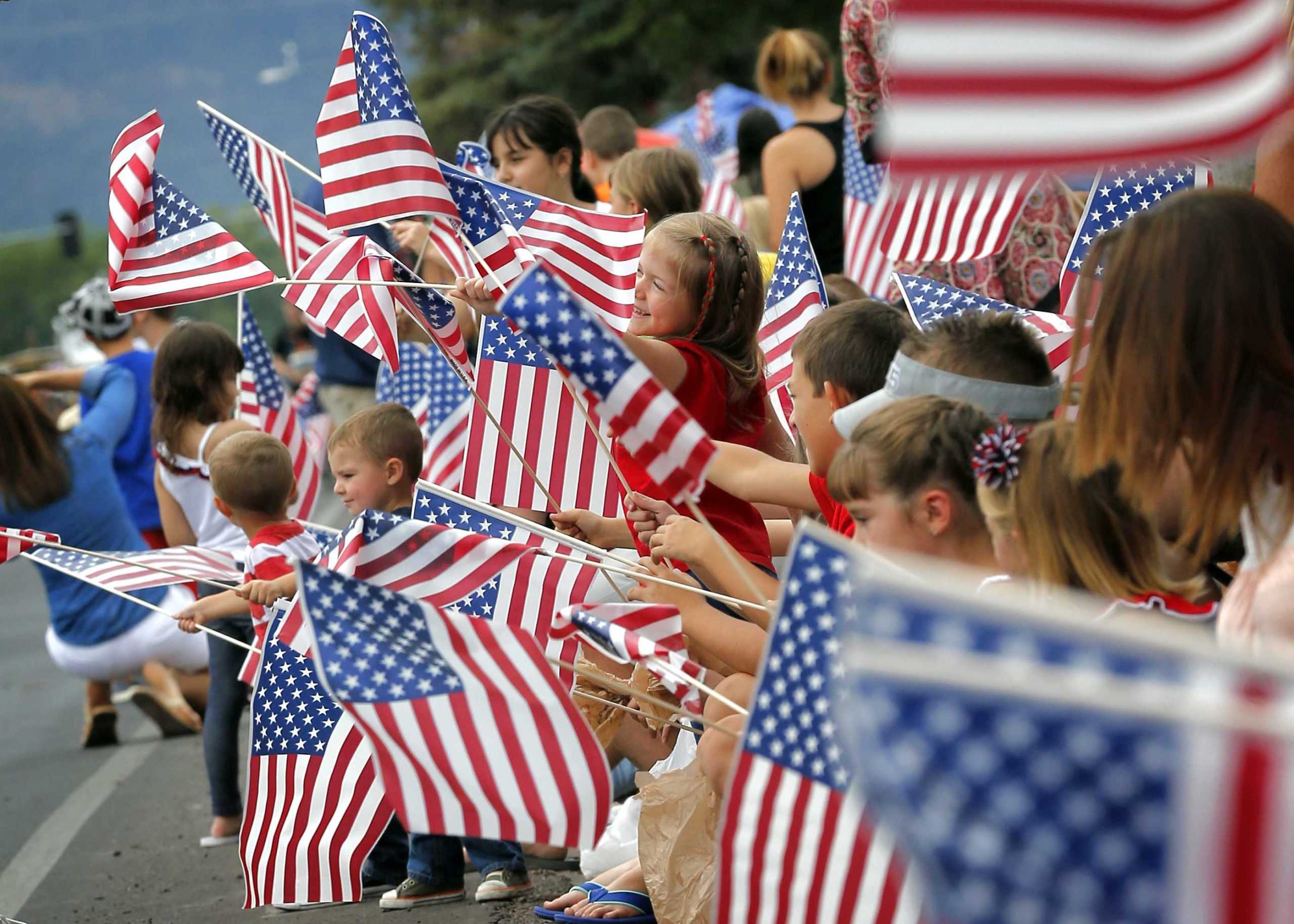
I stand in the same east Plano neighborhood where my wife and I built our life together more than two decades ago. The streets I walked with my kids still carry the echoes of Friday night football lights, backyard barbecues, and the quiet rhythm of working families putting down roots. The mosques have multiplied nearby, the languages in the parks have shifted, and the familiar anchors — the corner stores, the churches where generations were baptized and buried, the schools that once felt like an extension of home — have changed in ways that test a man’s resolve.
Yet here I remain. Because this is still America. And I refuse to apologize for loving my country.
As we approach the 250th anniversary of the Declaration of Independence — that radical assertion that free men could govern themselves under laws rooted in natural rights and ordered liberty — a striking poll landed like a thunderclap. According to the Elon University Poll, 55 percent of Democrats say they would rather live in another country. Only 10 percent of Republicans feel the same way. Independents sit in the middle at 38 percent. This isn’t some fringe sentiment. It is a measurable slice of one of our two major parties expressing a quiet preference for somewhere else as our semiquincentennial draws near.
Bill Maher saw the same rot in real time. Artists — Martina McBride, Bret Michaels, The Commodores, and others — began bailing on the Freedom 250 concert series simply because it carried any association with President Trump. What should have been a joyful, unifying celebration of America’s birthday turned into another partisan purity test. Maher called it straight: this makes Democrats look like they “don’t really love America.” He’s right. And the poll numbers prove the discomfort runs deeper than any one concert lineup.
I refuse to apologize for loving this country because love is not blindness. It is gratitude mixed with clear-eyed resolve. I see the flaws. I write about them often on these pages — the failures of assimilation that strain the melting pot I still believe in, the institutional erosion, the soft-headed policies that undermine the rule of law. But I also see what previous generations built here in Texas and across this land. My great-grandmother picked cotton in the early years of the last century. My mentors — Uncle Dave and Mama — taught me the discipline of acquiring knowledge, gaining experience, and then teaching it forward. This country gave a kid from modest beginnings the chance to earn a History degree at UTA, an MBA in Information Assurance, build a career protecting critical infrastructure, raise a family, play music in bands, and write what’s on my heart.
That is the creaturehood of America — the tangible sense of place, belonging, and continuity that Salena Zito writes about so powerfully. It is the parks where kids once played without fear, the churches that anchored moral formation, the neighborhoods where a common culture allowed strangers to become neighbors. When that creaturehood frays because of rapid, unassimilated change or elite disdain, people feel the emotional displacement in their bones even if they don’t lead with it in polls. Suburban and exurban voters especially understand this. They live it.
The modern Democratic Party, captured by its activist core, increasingly projects the opposite posture. They plant their flag on policies that feel alien to normal American life — from defending medical interventions on children to tolerating candidates who embody volatility over steadiness. They perform discomfort with our founding while wearing its symbols when convenient. They would rather lecture us about “threats to democracy” than celebrate the improbable miracle that allows us to argue these things freely in the first place.
I refuse to apologize because unapologetic love demands better, not abandonment. True patriotism isn’t waving a flag while ignoring problems. It is rolling up sleeves to restore what works. It means enforcing borders with real assimilation so the melting pot can do its historic work again. It means cracking down on fraud — like the recent Ohio operation that sanctioned 19 retailers for systematic SNAP abuse — so tax dollars actually help Americans who need it rather than feeding organized schemes. It means prioritizing crime and public safety so families in suburbs and exurbs don’t have to lock their doors in places that once felt safe. These aren’t abstract pillars. They are the practical expressions of loving a country enough to protect its promise for the next generation.
My kids deserve to inherit a country whose leaders refuse to apologize for loving it. They need to see men and women who understand that follow-the-money incentives, strong communities, and unashamed patriotism produce better outcomes than imported chaos or performative radicalism. That is why candidate quality matters so profoundly in 2026. Voters in the suburbs and exurbs — the decisive battlegrounds — reward authenticity because it is in their blood too. They recognize when someone belongs to the rhythms of normal American life versus when someone is merely performing them.
I have no patience left for the counsel of despair or the sophisticated shrugs that treat love of country as a naive relic. America has passed through darker valleys — civil war, depression, world wars, 9/11 — and renewed itself because enough people refused to give up on the idea. The Founding Fathers would indeed be disappointed in much of what they see today, but they would also recognize the enduring genius of the system they designed. Renewal remains possible precisely because this is still America.
As the 250th anniversary approaches, I will celebrate without qualification. I will stand with those who see this country as worth defending, improving, and handing down stronger. I will write, speak, and vote accordingly. And I invite every reader who still feels the pull of these neighborhoods, these traditions, and this improbable republic to join me.
I refuse to apologize for loving my country.
Neither should you.
