
When Leadership Becomes Explanation
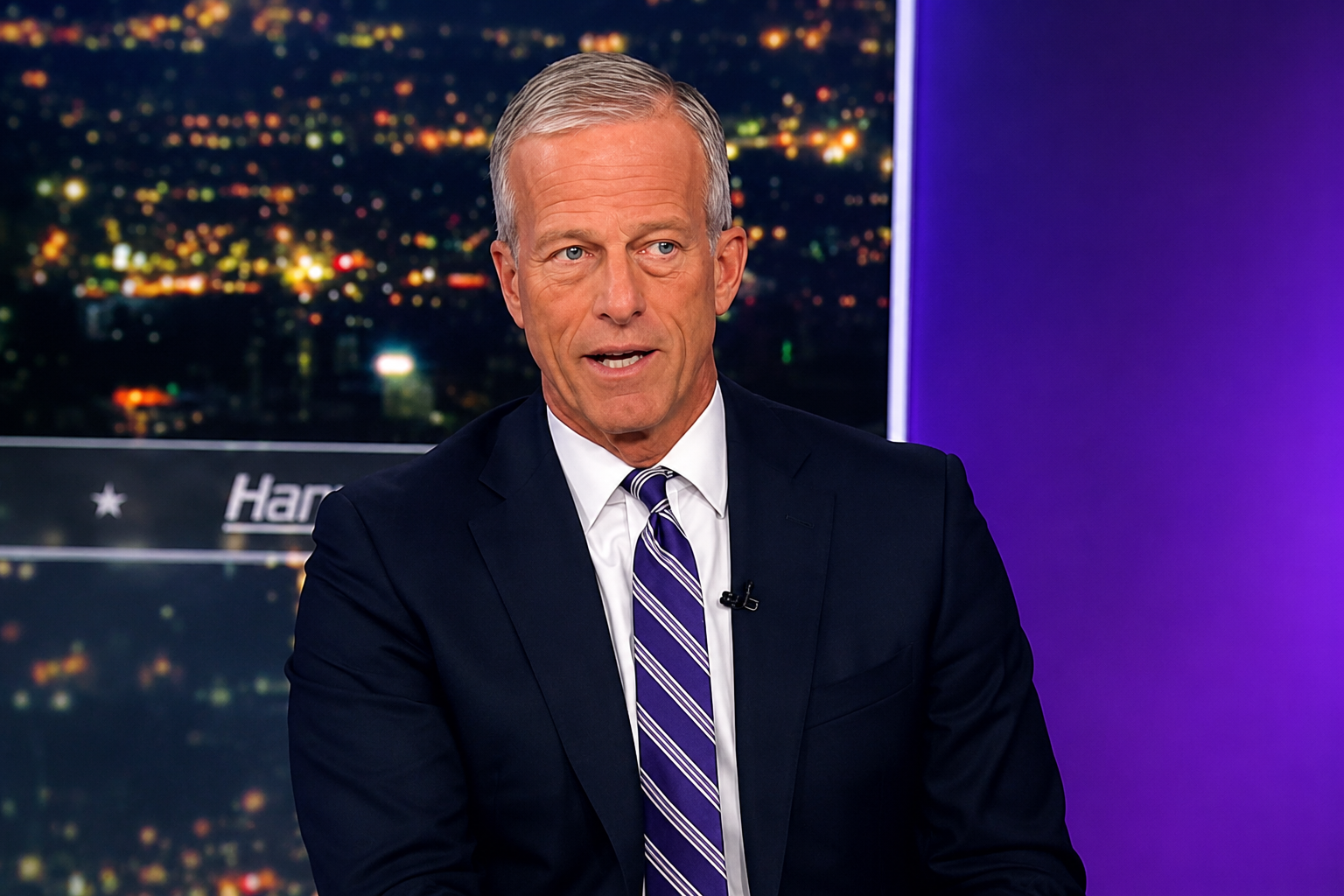
John Thune sat down with Sean Hannity and offered the same defense he has repeated for months. Here is the exchange on eliminating the legislative filibuster:
Hannity: Getting rid of the filibuster: nonstarter? You don’t have the votes?
Thune: Well, we don’t. And I’ve actually, I’ve had this conversation with the president many times, I think as you know. I actually suggested at one point that they, his team, come up and sit down and visit with some of my colleagues. So they came up, about twenty Republican senators, and fifteen were a no on getting rid of the filibuster. The votes aren’t there to do it. I know he thinks he can persuade people, but there are a lot of folks who are very, this is a hard position for a lot of Senate Republicans.
On the talking filibuster itself, Thune said this:
I think probably the best path to success is through budget reconciliation… but one thing about the talking filibuster… it hasn’t been used in something like 100 years. People point to the Civil Rights Act of 1964 that it actually was done under regular order, they invoked cloture, passed it that way. But you turn control of the floor over to the Democrats. It’s not only unlimited debate, it’s unlimited amendments, and the Democrats will have a long list of amendments. So every time they get an amendment, get it considered, gets disposed of, the clock resets. Every Democrat can give two hours of speeches. So that’s 47 times two… 94 hours of speeches, and then every time you have a vote on an amendment you go back, start all over again. So the Democrats, this is something that they’re salivating over the opportunity to have is a talking filibuster. So that isn’t the best path in my view. And frankly I don’t think we probably have the votes in the Senate among Republicans even to get on a talking filibuster.
That is the public record of the interview. Now look at what he left out, and what he got wrong.
First, the history. Mike Mansfield did not simply invoke cloture under ordinary order and call it a day. He bypassed a hostile Judiciary Committee, placed the Civil Rights Act directly on the calendar, and kept the bill on the floor for roughly sixty days while Southern senators conducted a real, continuous talking filibuster. He enforced quorum calls. He maintained the confrontation. Only after weeks of sustained debate and negotiation did the Senate finally invoke cloture, the first time it had ever done so on a civil rights bill. Mansfield forced the fight and endured it. Thune’s version flattens that record into a tidy procedural footnote. It is inaccurate.
Second, Rule XIX. A senator may speak no more than twice on the same question on the same legislative day. An amendment can create a new question. That much is true. What Thune omitted is the majority’s power to dispose of those amendments immediately. A motion to table is not debatable. The majority can keep the same legislative day alive by recessing instead of adjourning. It can enforce the two-speech limit on the underlying bill and make the minority stand and talk until the clock runs out. The reset is not automatic. It is optional. It happens only when the majority allows the amendment to remain pending and be fully debated.
Thune knows both the history and the rule. He has been in the Senate long enough, and he has staff who know the precedents. The tools have not disappeared. What has changed is the willingness to use them.
On Hannity, Thune framed the difficulty as structural rather than strategic. He counted the hours Democrats could theoretically consume if every amendment were allowed to reset the clock. He treated that theoretical maximum as the practical reality. That is the classic move of a leader who prefers explanation to confrontation. He presents the worst-case procedural outcome as if it is the only possible outcome, then concludes that the effort is not worth making.
The same pattern appears in his description of the fifteen Republican “no” votes. He treats those fifteen as fixed, immovable facts of nature. A leader’s job is not simply to count the votes that already exist. It is to test them, pressure them, and force clear choices. Thune has chosen to manage the conference instead. The Hannity interview made the choice public.
This is not ignorance of the rules or the history. It is a deliberate preference for institutional comfort over the hard work of forcing a priority through. The SAVE America Act remains popular with the public. The House has passed it repeatedly. The voter-roll failures that motivate the bill are documented.
CNN: Voters are with Trump when comes to needing a photo id to vote
Voters Favoring Photo ID To Vote:
GOP: 🟢 95%
Dem: 🟡 62%
Independents: 🟢 77%All Voters: 🟢 77% pic.twitter.com/HuJ5QRNHne
— OSZ (@OpenSourceZone) July 28, 2026
The only missing ingredient is a Senate leader willing to treat the rules as tools rather than obstacles. Thune continues to describe the obstacles with great care. That is the record he is writing.
