
Civics Lesson: Conference Committees, Amendments to Amendments, Opposing Conferees, and the “One Big, Beautiful Bill”
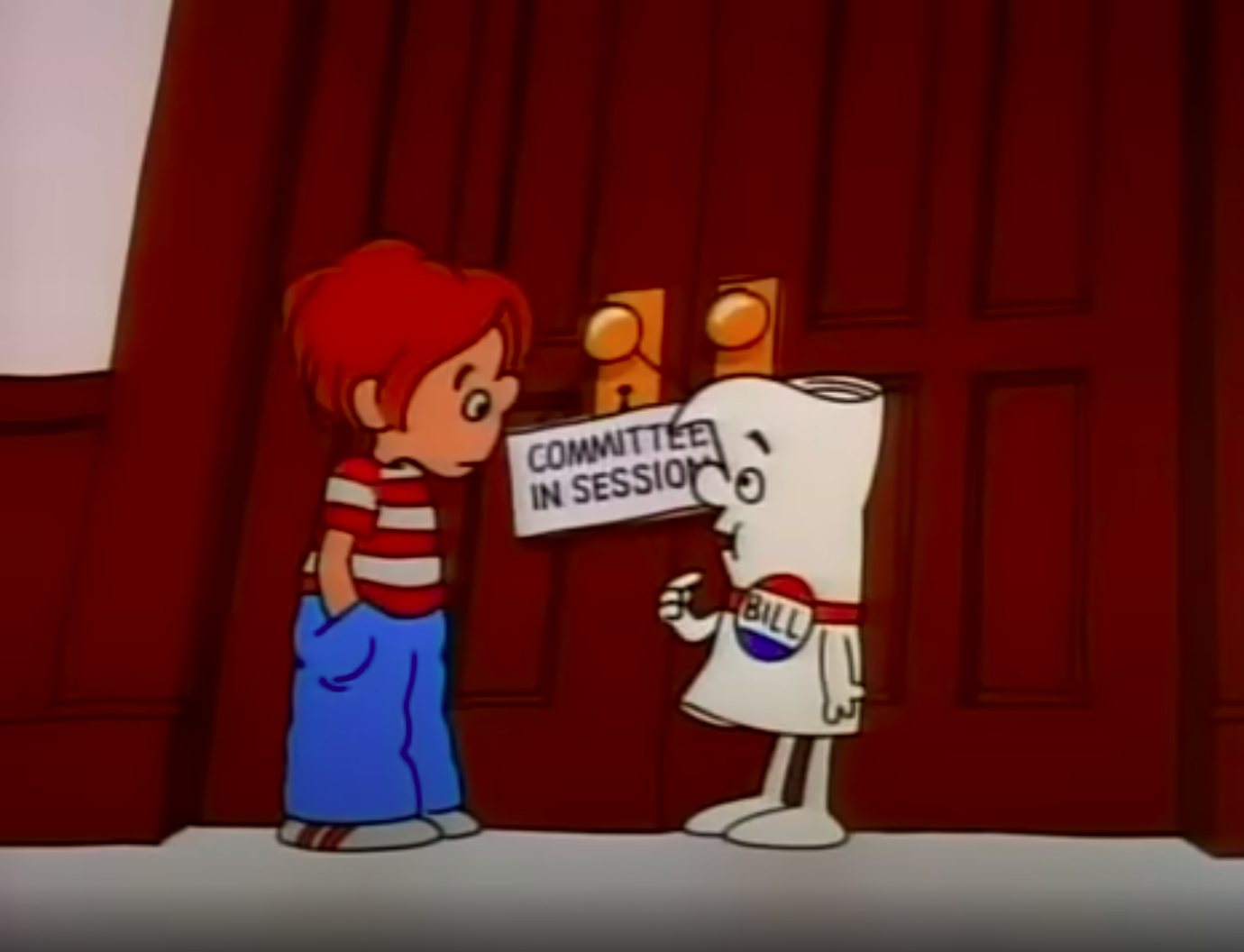
Part 1: The Basics of Conference Committees
What is a Conference Committee?
A conference committee is a temporary, bipartisan group of U.S. House and Senate members formed to resolve differences between the two chambers’ versions of a bill. The U.S. Constitution (Article I, Section 7) requires both chambers to pass identical legislation before it can be sent to the President to become law. When the House and Senate pass different versions of a bill due to amendments or differing priorities, a conference committee negotiates a single, compromise version called a conference report.
Why Are Conference Committees Needed?
If the House and Senate pass different versions of a bill, they must agree on identical text. Conference committees are a formal way to reconcile these differences, especially for complex or major legislation. An alternative method, called “amendments to amendments” or “ping-ponging,” involves exchanging amended versions, but conferences are often used for significant bills with substantial differences.
How Does a Conference Committee Work?
- Formation:
– Either chamber can request a conference after passing its version of a bill and receiving a different version from the other chamber. A motion to go to conference is adopted, usually by a simple majority or unanimous consent, and the other chamber must agree.
– Each chamber appoints conferees (or managers), typically from committees with jurisdiction over the bill, such as Ways and Means for tax issues or Budget for spending. The House usually appoints 5–20 conferees, and the Senate appoints 3–15, depending on the bill’s scope. Conferees include both majority and minority party members, with the majority party holding more seats. - Negotiation:
– Conferees negotiate a compromise within the “scope of the differences” between the House and Senate versions, as set by House Rule XXII and Senate Rule XXVIII. They cannot add unrelated provisions.
– A majority of conferees from each chamber must approve the compromise to ensure both chambers’ interests are represented. - Conference Report:
– The committee produces a conference report, a single bill text with an explanatory statement detailing the compromises.
– The report is submitted to both chambers, is prioritized for action (privileged), and cannot be amended. - Floor Votes:
– Each chamber debates and votes on the report, needing a simple majority: 218 of 435 in the House, 51 of 100 in the Senate (or 50 with the Vice President’s tiebreaker).
– If both chambers pass the report, the bill is enrolled (finalized) and sent to the President for signature, veto, or inaction. If either chamber rejects it, the bill fails unless further action, like a new conference or amendments, is taken.
Key Features
- Bipartisanship: Conferees include both parties, reflecting chamber composition.
- No Amendments: The report is voted on as a single package.
- Time: Conferences can take days or weeks, though urgent bills may be faster.
- Example: For the 2017 Tax Cuts and Jobs Act, a conference committee with 13 House conferees (8 Republicans, 5 Democrats) and 9 Senate conferees (5 Republicans, 4 Democrats) reconciled tax reform differences, leading to passage and President Trump’s signature.
Part 2: The Amendments to Amendments Procedure
What is the Amendments to Amendments Procedure?
The amendments to amendments procedure, often called “amendments between the houses” or “ping-ponging,” is an alternative to a conference committee for reconciling differences between House and Senate versions of a bill. Instead of forming a conference, the chambers exchange amended versions, proposing changes to each other’s amendments until they agree on identical text or reach an impasse.
How Does It Work?
- Initial Exchange:
– After both chambers pass different versions of a bill, one chamber (e.g., the House) may amend the other’s version (e.g., the Senate’s bill) and send it back. These amendments address specific differences, such as altering provisions or adding new ones within the scope of the original bills. - Response:
– The receiving chamber (e.g., the Senate) can:
– Concur: Accept the other chamber’s amendments, finalizing the bill for the President’s signature.
– Amend Further: Propose amendments to the received amendments (hence “amendments to amendments”) and send the bill back.
– Disagree: Reject the amendments and request a conference committee or take no further action, stalling the bill. - Iterative Process:
– The chambers may continue exchanging amendments until they agree on identical text or decide a conference is needed. Each round requires floor votes in the respective chamber to approve the new amendments, typically needing a simple majority.
– The process is governed by House Rule XXII and Senate Rule XXVIII, ensuring amendments stay within the scope of the original bills. - Advantages:
– Speed: Ping-ponging can be faster than a conference, avoiding formal committee negotiations.
– Flexibility: Allows targeted changes to specific provisions, ideal for bills with fewer differences.
– Informality: Leadership can coordinate informally, reducing procedural hurdles. - Disadvantages:
– Complexity: Multiple rounds of amendments can become cumbersome, especially for complex bills.
– Stalemate Risk: If chambers cannot agree, the bill may stall without a conference to force a compromise.
– Limited Scope: Amendments must relate to the original differences, limiting major rewrites. - Example: The 2013 Bipartisan Budget Act was finalized through amendments between the houses, with the House and Senate exchanging budget adjustments rather than forming a conference, allowing quicker passage.
When is It Used?
Ping-ponging is common for bills with minor differences or when time is short, as it avoids the formalities of a conference. Conference committees are preferred for complex bills with significant differences, as they provide a structured negotiation process.
Part 3: Appointing Members Who Oppose the Bill
Why Appoint Opposing Members?
The House or Senate may appoint conferees who voted against a bill to represent significant factions, ensure diverse perspectives, or secure broader support for the final compromise. This strategic decision, made by the Speaker of the House or Senate Majority Leader, balances party unity and legislative goals, especially in a narrowly divided Congress.
How Does It Work?
- Selection Process:
– House: The Speaker (e.g., Mike Johnson) appoints conferees, typically from committees with jurisdiction, in consultation with committee chairs and leadership. A member who opposed the bill, such as a fiscal conservative worried about deficits or a moderate concerned about program cuts, may be chosen if they represent a key faction or have relevant expertise.
– Senate: The Majority Leader (e.g., John Thune) proposes conferees, usually via unanimous consent, though a vote can occur if contested. An opponent, such as a senator critical of the bill’s fiscal impact, may be included to address their concerns and secure their support. - Role in Negotiations:
– Opposing conferees advocate for their concerns, such as reducing costs or modifying provisions, while working within the scope of the House and Senate versions. Their influence is balanced by other conferees who support the bill, ensuring a compromise aligns with the majority’s goals.
– Their inclusion can secure their vote or neutrality on the conference report, reducing opposition during the floor vote. - Strategic Benefits:
– Party Unity: Including opponents prevents them from rallying opposition outside the conference, maintaining party cohesion.
– Broader Appeal: Addressing opponents’ concerns (e.g., fiscal restraint, program protections) makes the report more acceptable to skeptical members, increasing passage chances.
– Expertise: Opposing members from relevant committees (e.g., Budget, Ways and Means) bring expertise, ensuring informed negotiations. - Challenges:
– Opposing conferees may push for changes that conflict with other priorities, complicating negotiations.
– If their demands are too extreme, they could disrupt the conference or refuse to sign the report, though a majority of conferees from each chamber is sufficient for approval. - Example: In the 2017 Tax Cuts and Jobs Act conference, both chambers appointed members with reservations about the bill’s deficit impact to ensure fiscal concerns were addressed, helping secure broader support for the final report.
When is It Used?
Appointing opposing members is common when their faction’s support is critical for passage, especially in a narrowly divided House or Senate, or when their committee role makes them a logical choice.
Part 4: Conference Committees, Amendments to Amendments, Opposing Conferees, and the “One Big, Beautiful Bill”
Overview of the Bill
As of July 1, 2025, the “One Big, Beautiful Bill” is a major legislative package covering tax reforms (extending 2017 tax cuts, adjusting the State and Local Tax (SALT) deduction cap to $40,000 for incomes up to $500,000), $1.5 trillion in spending cuts (including Medicaid work requirements), a debt ceiling increase, and funding for border security and defense. The House, with a 220-215 Republican majority, and the Senate have passed different versions, with key differences:
- The Senate proposes steeper Medicaid cuts, while the House prefers more moderate cuts (e.g., not exceeding $500 billion).
- The Senate sets a $2,200 Child Tax Credit, while the House supports $2,500.
- The House pushes for a higher SALT cap, but some Senators oppose it as favoring wealthier states.
President Trump supports the bill and has flexibility on the July 4 deadline, allowing time for negotiations. Republican divisions (House moderates opposing Medicaid cuts, conservatives concerned about deficits, blue-state members focused on SALT) and public criticism of the bill’s spending pose challenges.
Applying Conference Committee Basics
- Need for Reconciliation: The differences in Medicaid cuts, Child Tax Credit, and SALT require reconciliation. A conference committee is likely due to the bill’s complexity, though ping-ponging could be attempted for specific issues.
- Conferee Appointment:
– House: Speaker Mike Johnson would appoint 10–20 conferees from Ways and Means (for taxes), Budget (for spending), and possibly Homeland Security or Armed Services (for border security, defense). The 220-215 Republican majority suggests a delegation like 10 Republicans and 6 Democrats for a 16-member group, including moderates, conservatives, and blue-state Republicans for SALT concerns. A member who opposed the bill, such as a fiscal conservative worried about deficits or a moderate concerned about Medicaid cuts, might be included to represent their faction and secure broader support.
– Senate: Majority Leader John Thune would appoint 7–15 conferees from Finance (for taxes, Medicaid), Budget, and possibly Appropriations. The Republican majority suggests a 6:3 or 5:4 Republican-to-Democrat ratio for a 9-member group. A senator like Rand Paul, who opposes the bill’s deficit impact, might be included to address fiscal concerns and ensure his faction’s support. - Negotiation Focus:
– Reconciling the Child Tax Credit ($2,200 vs. $2,500).
– Balancing Medicaid cuts to satisfy House moderates and Senate fiscal conservatives.
– Adjusting the SALT cap to address House priorities without alienating Senate conservatives.
– Addressing concerns about the bill’s deficit impact, with input from opposing conferees like a House fiscal conservative or Paul. - Conference Report: The report would propose a compromise, needing majority approval from House and Senate conferees separately. It faces floor votes:
– House: Requires 218 of 435 votes. The 220-215 majority allows up to 2 Republican defections, assuming no Democratic support.
– Senate: Requires 51 of 100 votes (or 50 with the Vice President). Republicans can lose up to three votes if Democrats oppose it. - Trump’s Flexibility: The flexible deadline allows a thorough conference process, enabling a larger delegation to balance GOP factions, including opponents, and address public criticisms, increasing the chances of a viable report.
Applying Amendments to Amendments
- Potential Use: Instead of a conference, the House could amend the Senate’s version (e.g., increasing the Child Tax Credit) and send it back. The Senate could concur, propose amendments to the House’s amendments (e.g., adjusting Medicaid cuts), or reject them and request a conference.
- Process: If the Senate proposes amendments to the House’s amendments, the House votes on them, potentially sending further changes back, influenced by an opposing member’s concerns (e.g., deficits). This ping-ponging continues until identical text is agreed upon or a conference is needed.
- Likelihood: The bill’s complex differences make ping-ponging less practical, as multiple rounds could delay passage. Trump’s flexible deadline allows time for amendments, but a conference is more likely to resolve the broad issues efficiently.
- Challenges: Ping-ponging risks stalemate if chambers cannot agree, and Republican divisions, including opposition from some members, could complicate votes on amendments, especially in the House’s tight 220-215 majority.
Applying Appointment of Opposing Members
- Context: Johnson might appoint a House Republican who opposed the bill, such as a Budget Committee member concerned about deficits or a moderate worried about Medicaid cuts, to represent their faction. Similarly, Thune might appoint Rand Paul, a Senate fiscal conservative, to address deficit concerns.
- Role: These conferees would push for changes, like reducing costs or moderating cuts, to make the report more acceptable to their factions. Their inclusion could secure their votes or neutrality, helping achieve the 218 House and 51 Senate votes needed. Other conferees would balance their demands to align with the majority’s goals.
- Impact: Their influence could lead to a report with stronger fiscal restraint or fewer Medicaid cuts, but risks alienating other factions (e.g., blue-state Republicans on SALT). The tight House majority and Senate GOP dynamics require careful compromise.
Challenges
- House: The 220-215 majority allows only 2 defections, and divisions (moderates opposing Medicaid cuts, conservatives concerned about deficits, blue-state members focused on SALT) could lead to vote failures, especially if an opposing conferee’s demands are unmet.
- Senate: Republicans need near-unanimous support, as Democrats are likely to oppose the bill. Fiscal conservatives like Paul may push for deeper cuts, complicating negotiations.
- Public Pressure: Criticism of the bill’s spending and provisions like EV tax credit cuts may influence conferees or amendment proposals to adjust the final text.
Part 5: Scenarios for the Reconciliation Process
Below are key scenarios for how the House and Senate might reconcile differences for the “One Big, Beautiful Bill,” using either a conference committee or amendments to amendments, and what happens after the conference report or final agreement, incorporating the role of opposing conferees.
Scenario: House Amends Senate Version, Senate Rejects It
- Process: If the House amends the Senate’s version (e.g., increasing the Child Tax Credit to $2,500 or reducing Medicaid cuts) and the Senate disagrees, it can vote to reject the amendments (non-concurrence) and request a conference. Alternatively, the Senate could propose amendments to the House’s amendments, continuing ping-ponging, or either chamber can request a conference since both have passed their versions.
- Conference Committee: The House appoints 10–20 conferees, including an opponent (e.g., a fiscal conservative) to address deficit concerns, and the Senate appoints 7–15, including Rand Paul. They negotiate a compromise on Medicaid, Child Tax Credit, and SALT. Trump’s flexible deadline allows thorough discussions.
- Amendments to Amendments: If ping-ponging, the Senate could amend the House’s amendments (e.g., proposing a $2,300 Child Tax Credit), and the House, influenced by its opposing member, could push for further fiscal adjustments. This could continue but risks delay.
- After the Report or Agreement: A conference report needs 218 House votes (2 defections allowed with 220-215) and 51 Senate votes. If ping-ponging succeeds, the final text is voted on similarly. Opposing conferees’ influence could secure their factions’ support but risk alienating others. Passage sends the bill to Trump for signature; rejection requires a conference, further amendments, or risks abandonment.
Scenario: Either Chamber Requests a Conference
- Process: Since both chambers have passed their versions, either can request a conference to address differences. The House might initiate to push for moderate Medicaid cuts, or the Senate might do so to maintain fiscal priorities.
- Conference Committee: House conferees (10–20), including an opponent, and Senate conferees (7–15), including Paul, negotiate a compromise. Trump’s flexibility supports a robust process.
- Amendments to Amendments: Alternatively, the chambers could exchange amendments, with opposing members shaping fiscal-focused changes, but the bill’s complexity makes a conference more likely.
- After the Report or Agreement: The House needs 218 votes, and the Senate needs 51. Opposing conferees’ input could help passage but risks factional conflicts. Passage sends the bill to Trump; rejection risks further negotiations or failure.
Scenario: After the Conference Report or Final Agreement
- Process: A conference report is debated and voted on without amendments. The House Rules Committee sets debate terms, and the Senate brings the report to the floor via unanimous consent or a motion. If ping-ponging succeeds, the final text is voted on similarly.
- House Vote: Needs 218 votes, allowing 2 defections with the 220-215 majority. The opposing conferee’s influence could secure their faction but risks others (e.g., moderates on Medicaid).
- Senate Vote: Needs 51 votes, with up to three Republican losses. Democratic opposition requires GOP unity, aided by Paul’s inclusion.
- Outcomes:
– Passage: The bill is enrolled and sent to Trump, who is likely to sign it, given his support.
– Rejection: If either chamber rejects the report or final text, the bill fails unless a new conference, further amendments, or other actions are pursued. Trump’s flexible deadline allows time for additional negotiations, but failure could harm Republican unity.
Lesson Summary
Basics: Conference committees reconcile House and Senate bill versions, producing a non-amendable conference report requiring simple majority votes (218 in the House, 51 in the Senate). The amendments to amendments procedure allows chambers to exchange changes, aiming for identical text without a conference. Appointing opposing members ensures diverse perspectives, aiding passage.
Application to the “One Big, Beautiful Bill”: The bill’s differences (Medicaid cuts, Child Tax Credit, SALT) require reconciliation, likely via a conference with 10–20 House and 7–15 Senate conferees, including opponents to address fiscal or program concerns. Ping-ponging is less likely due to complexity. The House’s 220-215 majority allows a 2-vote cushion, but GOP divisions complicate passage. Trump’s flexible deadline supports thorough negotiations.
Scenarios:
– The Senate can reject House amendments and request a conference or propose further amendments, or either chamber can initiate a conference now.
– Appointing opponents like a House fiscal conservative or Rand Paul ensures concerns are addressed, aiding passage but risking conflicts.
– After a conference report or ping-ponged agreement, tight votes determine the bill’s fate, with passage leading to Trump’s signature and rejection risking further talks or failure.
