
Thune’s Masterstroke Beyond the Smashmouth Sequence
Repeal the 17th Amendment and Raise the Filibuster Threshold
In an era where the U.S. Senate resembles a perpetual partisan battlefield more than the deliberative body envisioned by the Founders, it’s time for bold restoration. The chamber, once a bastion of federalism and compromise, has devolved into a populist arena dominated by national fundraising machines and agenda-driven elites. This transformation has not only amplified gridlock but also eroded the core principles of our constitutional republic, where power is balanced between the federal government and the states. To reclaim its republican essence-prioritizing states’ sovereignty, minority protections, and thoughtful governance-we must repeal the 17th Amendment and reinstate the pre-1975 cloture rule requiring a two-thirds majority to end debate. These reforms aren’t radical; they’re a return to constitutional fidelity, countering the erosive forces of direct democracy and majoritarian haste that have plagued our system for over a century. By addressing these foundational flaws, we can rebuild a Senate that serves as a true check on federal overreach, fostering a more stable and principled union.
Consider the 17th Amendment’s legacy in greater detail. Ratified in 1913 amid Progressive-era fervor, it shifted senator selection from state legislatures to popular vote, ostensibly to curb corruption and bribery that plagued some state assemblies. Proponents at the time argued that direct elections would democratize the process, making senators more accountable to the people. However, this change had unintended consequences that have reverberated through American politics. As former Senator Zell Miller lamented in his 2004 floor speech, it “slashed [states’] own throats and destroyed federalism forever.” By making senators beholden to national donors and voters rather than state governments, it unleashed unchecked federal overreach-from unfunded mandates burdening state budgets to expansive programs that erode local autonomy, such as environmental regulations or education standards imposed without adequate funding. Today, senators campaign like House members, raising millions (averaging over $18 million per race) from out-of-state PACs, turning the Senate into a “millionaires’ club” redux where wealth and media savvy often trump substantive expertise. Repealing the 17th would restore senators as states’ ambassadors, accountable to legislatures that could recall them for betraying local interests-like imposing costly regulations or ignoring border security concerns that disproportionately affect certain regions. As one recent advocate put it amid the ongoing government shutdown: “If states picked senators, this shutdown would be over in a day. Schumer would be out on his ear!” Moreover, historical analyses suggest that without the 17th, states might have retained stronger leverage to negotiate federal policies, potentially averting the ballooning national debt by demanding fiscal responsibility.
This repeal alone would revive federalism, but pairing it with a strengthened filibuster-raising cloture from three-fifths (60 votes) back to two-thirds (about 67)-would enforce the compromise essential to a republic. The 1975 reduction was intended to streamline proceedings and reduce what was seen as excessive obstructionism, but it has instead fueled polarization, allowing slim majorities to bulldoze opposition while minorities resort to endless obstruction tactics that paralyze the chamber. A two-thirds threshold, as in the Senate’s mid-20th-century heyday, would demand broader coalitions, often across state and regional lines, protecting against “tyranny of the majority” by ensuring that legislation garners widespread support. It promotes genuine bipartisanship, as seen in landmark legislation like the Civil Rights Act of 1964, where extended debate forged durable consensus rather than partisan wins that could be easily overturned. This era demonstrated how a higher bar for cloture encouraged senators to engage in meaningful dialogue, building alliances that transcended party lines and resulted in policies with lasting impact. In contrast, the current system often leads to procedural warfare, where the filibuster is weaponized rather than used as a tool for deliberation.
Critics decry potential gridlock, but that’s a feature, not a bug, in a system designed to “cool” passions and prevent impulsive decisions. The Founders feared pure democracy’s volatility; James Madison in Federalist No. 62 praised the Senate’s structure to guard against “improper acts of legislation” driven by fleeting public sentiments. Today’s 60-vote rule already invites abuse-witness recent shutdowns, nomination battles, and stalled infrastructure bills-but a higher bar would incentivize negotiation, especially with state-appointed senators focused on pragmatic state deals over national headlines or viral soundbites. It constrains majority power, shielding minorities (including smaller states) from hasty policies on issues like debt ceilings, executive overreach, or sweeping social reforms that ignore regional differences. As proponents argue, the filibuster “protects the intended purpose of the Senate as a deliberative body,” preventing it from becoming another populist echo chamber where mob rule prevails over reasoned discourse. Furthermore, in a diverse nation spanning vast geographies and economies, this mechanism ensures that voices from rural heartlands or coastal enclaves are not drowned out by urban majorities.
Combined, these reforms address modern dysfunction in profound ways. Direct elections amplify special interests and moneyed influence; repeal shifts influence to statehouses, reducing corruption and empowering local governance. A tougher filibuster curbs bad legislation, like rushed spending bills adding to our $37 trillion debt or omnibus packages laden with pork-barrel projects. Recent calls echo this sentiment of freeing the chamber from “mob rule” in urban blue dots and restoring balance. Even amid Trump’s push to eliminate the filibuster for quick wins, true republicans recognize that short-term expediency erodes long-term stability, potentially leading to cycles of revenge politics where each majority undoes the last. Contemporary conservatives, including those in think tanks like the Heritage Foundation, argue that repeal could redirect federal funds to states with fewer mandates, enhancing efficiency without expanding bureaucracy.
Skeptics warn of implementation hurdles-a constitutional amendment requires two-thirds congressional approval and ratification by 38 states, a process that could take years amid partisan divides. But with growing frustration over D.C. gridlock, momentum builds in conservative circles, state legislatures, and online forums where discussions propose enshrining the filibuster constitutionally alongside repeal. Organizations like the American Legislative Exchange Council have long advocated for such changes, emphasizing that they would realign power as the Founders intended, curbing the administrative state’s growth. This isn’t about party; it’s about principle. As Thomas Jefferson urged, remedy corruption by “restoring [the republic’s] lost principles,” ensuring our government remains a servant of the people, not a distant overlord. Repeal the 17th and fortify the filibuster: Restore a truly republican Senate before it’s too late, safeguarding our federation for generations to come.
Like this post? Become a Citizen Producer!


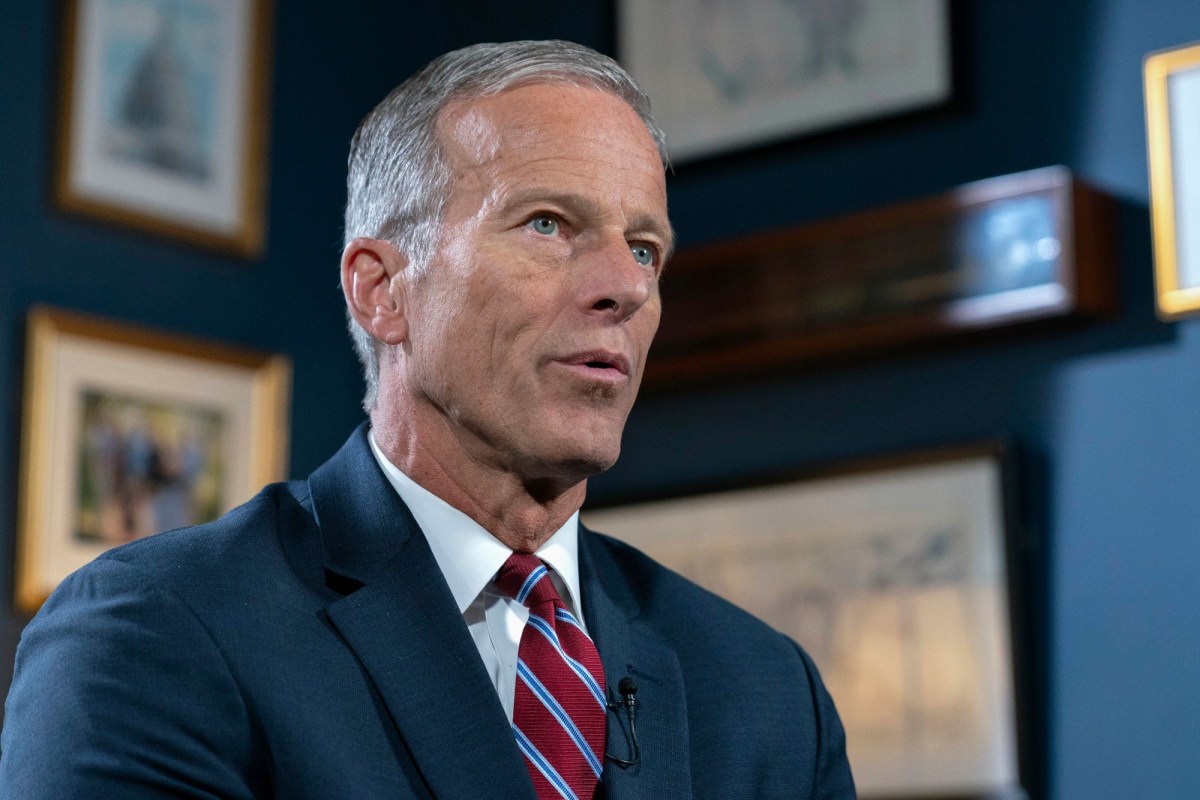
 line/wp-content/uploads/2025/11/John-Thune.jpeg” alt=”” width=”1200″ height=”800″ class=”size-full wp-image-4354″ /> Senate Majority Leader John Thune
Ah, the Smashmouth Sequence-that razor-sharp blueprint laid out October 27, envisioning a brutal, four-day gauntlet of Senate votes designed to hammer Democrats into submission one filibuster at a time. It was a thing of tactical beauty on paper:
- Tuesday (October 28): SNAP emergency funding
- Wednesday (October 29): Troop pay
- Thursday (October 30): FAA safety net
- Friday (October 31): Clean CR knockout
Each step calibrated to peel off 7–15 Democratic defectors, turning the shutdown’s pain points-hunger for 42 million, empty military wallets, grounded flights-into unrelenting headlines that screamed “Dems vs. America.” As the column framed it:
“Thune’s mission this week is not to bargain-it is to apply relentless pressure through a deliberate sequence of smashmouth votes that expose Democratic intransigence and force defections. The shutdown ends not with compromise, but with capitulation.”
We all saw the potential: A cascade of crossovers from vulnerable moderates like Mark Warner and Mark Kelly, or pending retirees like Gary Peters or Jeanne Shaheen. snowballing into a 70+ vote rout on the House’s clean CR (H.R. 5371), reopening government by Monday (November 3) and kicking ACA subsidy fights to the lame-duck winter. The AFGE’s blistering rebuke on October 26-“No half measures, and no gamesmanship”-seemed like the perfect accelerant, with unions turning on their traditional allies. Polls were already tilting blame toward Schumer’s crew, and the SNAP cliff loomed like a political guillotine, ready to sever Democratic spines in high-poverty battlegrounds.
The Genius of it All: Thune Didn’t Bite
He glimpsed the allure of that granular grind, the satisfaction of watching each “no” vote etch deeper scars into the Democratic armor, but he opted for something bolder, more surgical. Instead of piecemeal vivisection, he chose the full autopsy. By refusing to schedule those standalone bills en masse, Thune forced Democrats to own the entire shutdown carcass-every unpaid federal worker, every delayed flight, every empty EBT card-from day 28 straight through to today, day 34 (November 3, 2025). No escape hatches, no “we fixed SNAP, so pat us on the back” off-ramps. Just the unrelenting weight of 13 filibusters on targeted relief, a near-unanimous House Democrat “no” on the clean CR, and now, two federal court rulings (Massachusetts and Rhode Island on October 31) that handed them a temporary judicial Band-Aid for SNAP reserves-but at the cost of outsourcing their governance failure to judges. This pivot leaves Democrats in a vise of their own making.
The Political Problem of Piecemeal Pecks at Passing the Clean CR
Sure, they can tout Hawley’s bipartisan SNAP bill (with Welch’s crossover as a fig leaf) or Luján’s failed WIC extender as half-hearted heroism, but those crumbs only highlight the feast they rejected-the full clean CR that would have funded everything without riders or recriminations. Trump’s Truth Social volley on October 31, vowing to clarify funding “as soon as possible” if courts allow, underscores the farce: He’s scrambling to mitigate their mess, shuffling funds for troops and cops while Schumer’s caucus plays chicken with food pantries. And the WaPo’s editorial closer? A gut punch:
“The quickest solution… is for Democrats to join Republicans in voting to reopen the government, and then they can fight over public policy.”
Even the Gray Lady sees the emperor’s threadbare suit.
Warnock and Ossoff already cracking the dam while John Fetterman has taken a sledgehammer to it.
Media roasts like Kernen’s CNBC evisceration of Welch (“This is extortion!”) and Tapper’s grillings have turned the narrative toxic. SNAP outlays doubling to $120 billion annually? That’s fodder for GOP ads framing Dems as fiscal enablers of bloat, not guardians of the needy. With USDA’s Monday (November 3) compliance plans due today-likely partial benefits at best-the clock ticks louder.
Thune’s restraint isn’t weakness; it’s judo.
By denying the sequence’s cathartic beats, he’s made every Democratic “no” echo as a collective indictment, leaving them peckish for relevance in a shutdown they could’ve starved out weeks ago. The Rhode Island judge’s TRO ordered “as soon as possible” distribution; Massachusetts gave until November 3 for a plan. Either way, the reserves cover less than one full month-and no court can appropriate new money.
Secretary Rollins warned: “This is not a solution. This is a delay.”
Exactly.
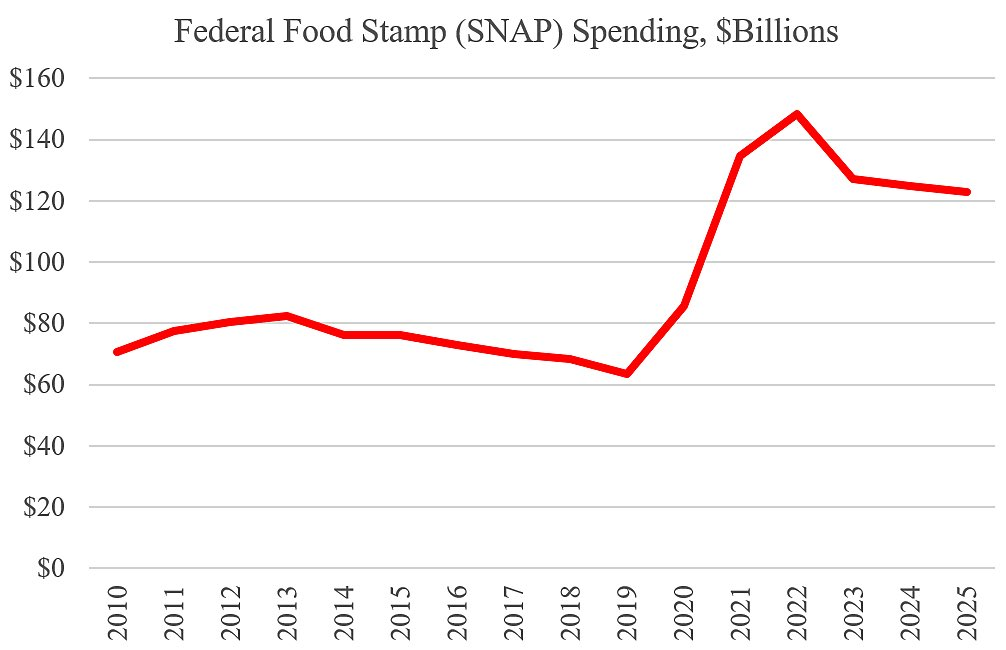
Thune’s calendar mastery turned a potential four-day sprint into a month-long marathon of self-inflicted wounds. The SNAP chart-from $60 billion in 2019 to $120 billion in 2025-isn’t just data; it’s political dynamite. Every EBT card that fails to load, every air traffic controller calling in sick, every ACA enrollee getting a premium hike notice-these aren’t abstract. They’re voter touchpoints, and Democrats own them all.
If capitulation comes-and polls suggest it will, with unions and swing-state senators whispering revolt-credit Thune’s smother strategy, not smashmouth.
The shutdown bleeds on, but the real hemorrhage is Democratic unity. One clean CR vote could staunch it. Yet the longer Schumer’s caucus clings to the filibuster, the deeper the wound festers. Senators in purple states-Rosen in Nevada, Kelly in Arizona, Shaheen in New Hampshire-now face town-hall gauntlets where empty EBT cards and missed paychecks drown out any talk of “leverage.” Union halls that once echoed with Democratic applause now hiss with frustration; the AFGE’s October 26 plea for “no gamesmanship” has metastasized into open calls for a clean vote. Even progressive strongholds feel the pinch: food-bank lines in Philadelphia and Detroit stretch longer than campaign rallies.
Will they pull the trigger before the reserves evaporate mid-month? History-and voter fury-says yes. The ghosts of 2024 loom large: Jon Tester and Sherrod Brown, once considered shutdown-proof moderates, were swept away in a red wave that punished Democrats for overreaching on culture and underdelivering on economics. Polls already show a 12-point swing blaming Democrats since October 1; every delayed flight, every pediatric clinic turning away WIC families, chips away another point. The judicial Band-Aids from October 31 buy days, not weeks. USDA’s compliance plan, due today, will likely deliver partial November benefits-enough to blunt immediate starvation headlines, but not enough to refill pantries or silence the growing chorus of “just reopen the damn government.”
And when the surrender finally comes-likely in a late-night cloture vote after another weekend of airport chaos and viral videos of shuttered Head Start classrooms-it will be on Republican terms: a clean CR through February, no riders, no concessions on ACA subsidies. Democrats will have spent 35+ days manufacturing a crisis they could have ended on day one, only to limp into the lame-duck session with depleted political capital and a caucus scarred by public betrayal.
But at what cost to their souls? The party that once wrapped itself in the mantle of compassion will have presided over the longest deliberate disruption of food assistance in modern history. They will have taught a generation of low-income families that their hunger is negotiable. And they will have handed Republicans a ready-made 2026 campaign ad: grainy footage of empty grocery carts, voiceover calm and merciless-“They had the votes. They chose the fight.”
Thune didn’t need smashmouth. He needed patience. And in the end, the calendar did the smashing for him.
