
Why the Third Circuit’s Khalil Ruling Advances Justice in Immigration Enforcement
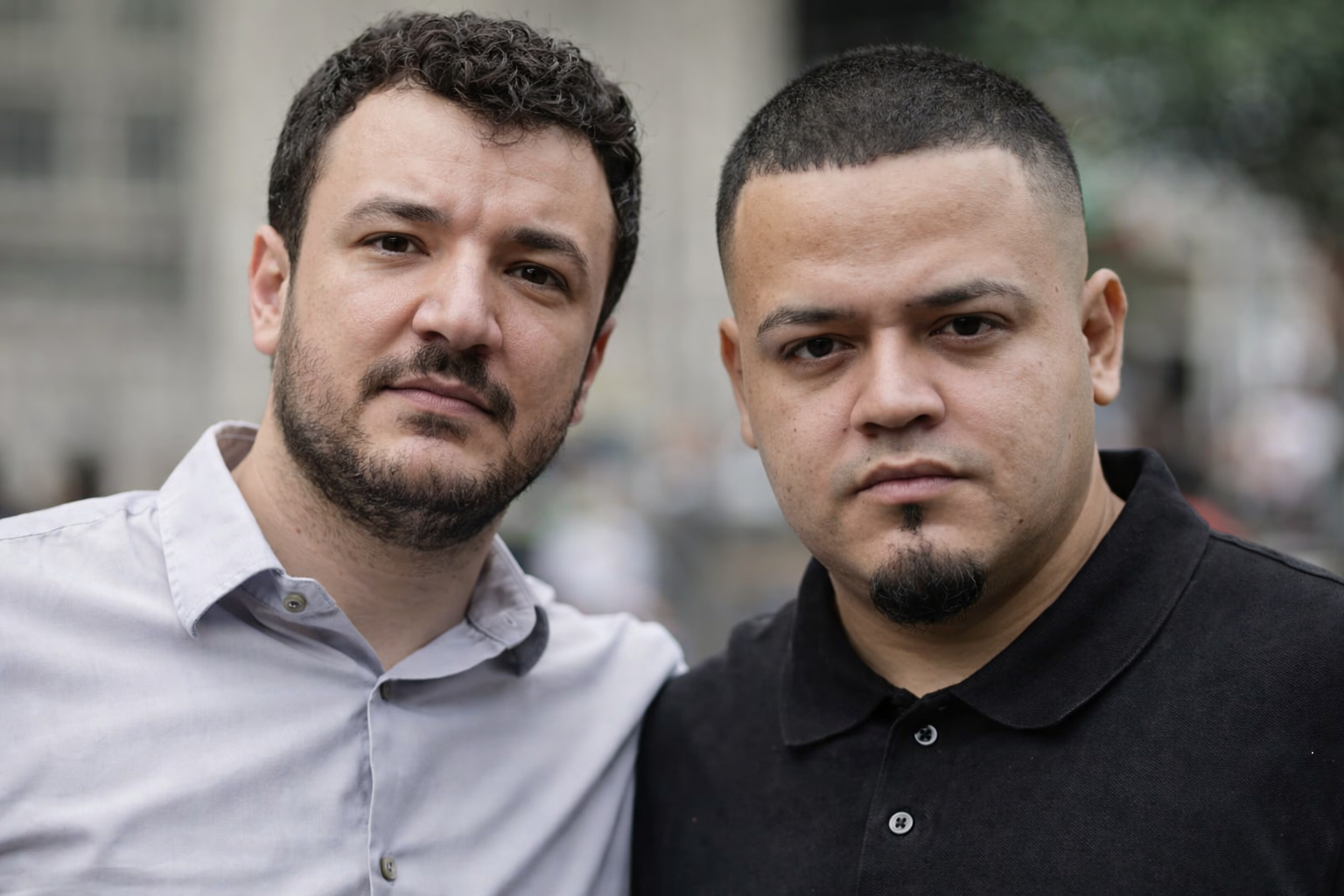
In a landscape where immigration policy has become a battlefield of legal maneuvers, ideological clashes, and administrative chaos, the Third Circuit Court of Appeals delivered a much-needed dose of procedural clarity today in Khalil v. President of the United States. This 2-1 panel opinion, penned per curiam by Judges Thomas M. Hardiman, Stephanos Bibas, and Arianna J. Freeman, isn’t just a win for the Trump administration-it’s a reaffirmation that the Immigration and Nationality Act (INA) means what it says: Challenges to removal proceedings belong in streamlined channels, not endless district-court detours. As we grapple with the legacy of open borders under the Biden-Harris era-what some aptly call the “Biden Regency”-cases like this underscore why we must press forward with deportations, starting with high-profile holdouts like Mahmoud Khalil and Kilmar Armando Abrego Garcia. If we falter here, the path to removing the estimated 10-13 million illegal aliens who flooded in during that period becomes exponentially harder.
Let’s break down the Khalil opinion fresh, as if we’re seeing it for the first time-de novo, as the lawyers say. Mahmoud Khalil, an Algerian-born Palestinian activist and lawful permanent resident, was arrested by ICE in March 2025 on deportation charges. The government invoked a rare provision under 8 U.S.C. § 1227(a)(4)(C), citing Secretary of State Marco Rubio’s determination that Khalil’s pro-Palestinian advocacy posed “potentially serious adverse foreign policy consequences.” A secondary fraud charge alleged misrepresentations in his green card application. Khalil fired back with a habeas petition, claiming First Amendment retaliation and procedural violations, and won big in district court: Judge Michael E. Farbiarz blocked his removal, ordered his release from detention, and even directed the immigration judge to drop or reconsider the charges.
The Third Circuit panel swiftly vacated all that. On jurisdiction, they unanimously held that the case properly landed in the District of New Jersey via transfer and amendments-habeas isn’t derailed by post-filing detainee moves or clerical errors, drawing on Supreme Court precedents like Ex parte Endo (1944) and Rumsfeld v. Padilla (2004). But the real meat came in the 2-1 split on subject-matter jurisdiction: The majority (Hardiman and Bibas) ruled that the INA’s “zipper clause” in § 1252(b)(9) bars district courts from hearing challenges “arising from” removal actions until a final BIA order, funneling everything into one petition for review. Khalil’s claims-detention gripes, constitutional beefs, APA violations-must wait; they’re reviewable later, even if harms like speech chilling feel urgent now. The court refined its own precedent, overruling parts of Chehazeh (2012) in light of SCOTUS’s Jennings v. Rodriguez (2018), emphasizing Congress’s intent to avoid piecemeal litigation.
Judge Freeman’s dissent packs a punch, arguing the zipper doesn’t slam the door on “now-or-never” irreparable harms and that § 1252(g) doesn’t shield the Secretary’s foreign-policy call from review. It’s a nod to protecting free speech in immigration, but the majority’s textualist approach holds: The law channels, doesn’t eliminate, review. This isn’t judicial activism; it’s fidelity to the 1996 reforms that tightened immigration appeals. In a post-Biden world, where lax enforcement led to record crossings, this ruling clears the deck for efficient removals without lower courts playing endless delay games.
Shifting gears to Kilmar Armando Abrego Garcia, the Salvadoran national whose case has become a symbol of bureaucratic bungling and judicial tug-of-war. Wrongfully deported in March 2025 despite a 2019 withholding-of-removal order (protecting him from return to El Salvador due to gang threats), Abrego Garcia endured months in the notorious CECOT mega-prison before the Supreme Court’s April 2025 shadow-docket order mandated his return. Back in the U.S. by June, he’s faced a gauntlet: Federal smuggling charges in Tennessee (stemming from a 2022 traffic stop), repeated ICE attempts to detain or deport him to third countries (Costa Rica balked, Liberia stalled), and ongoing asylum/withholding appeals.
As of today, Abrego Garcia remains free-thanks to Maryland District Judge Paula Xinis’s December 2025 orders releasing him from ICE custody and blocking re-detention pending further review. She blasted the government’s “lawless” actions and lack of a valid final removal order. But the volatility peaks in Tennessee: On January 28, Judge Waverly Crenshaw will hold an evidentiary hearing on Abrego Garcia’s motion to dismiss the criminal charges for vindictive prosecution. Unsealed emails suggest high-level DOJ involvement (including Deputy AG Todd Blanche) post-deportation embarrassment, raising retaliation flags. If dismissed, it could torpedo the criminal case; if not, trial looms, potentially justifying renewed detention. His immigration appeal deadline just passed (January 12), so BIA review is next. No immediate re-deportation threats, but the administration’s push for third-country options keeps the pressure on.
Now, for the hard truth: We must advocate fiercely for continuing-and accelerating-the removal processes for both Khalil and Abrego Garcia. These aren’t abstract legal puzzles; they’re test cases for reclaiming border sovereignty after the Biden Regency’s disastrous policies. Under Biden-Harris, an estimated 10-13 million illegal aliens entered, straining resources, communities, and the rule of law. Lax asylum rules, catch-and-release, and administrative paralysis created this backlog. If activist judges or procedural loopholes shield even these two-Khalil with his foreign-policy risks, Abrego Garcia amid admitted errors but persistent charges-then mass deportations become a pipe dream. Every habeas win or injunction sets precedent, emboldening endless appeals and delaying the inevitable.
The Third Circuit got it right: Channel challenges, enforce the INA, and let the executive do its job. For Abrego Garcia, respect the withholding but pursue valid removals or prosecutions without judicial micromanagement. Congress could strip jurisdiction, but as we’ve seen with failed defunding efforts like the NED, Conference unity is elusive in the reality of a slim majority. Better for SCOTUS to keep reining in overreach, as in Trump v. CASA last year. Bottom line: Remove them lawfully, swiftly, and consistently-or watch the 10 million illegal aliens multiply into unmanageable chaos. The American people deserve borders that mean something.
