
Holy Thursday
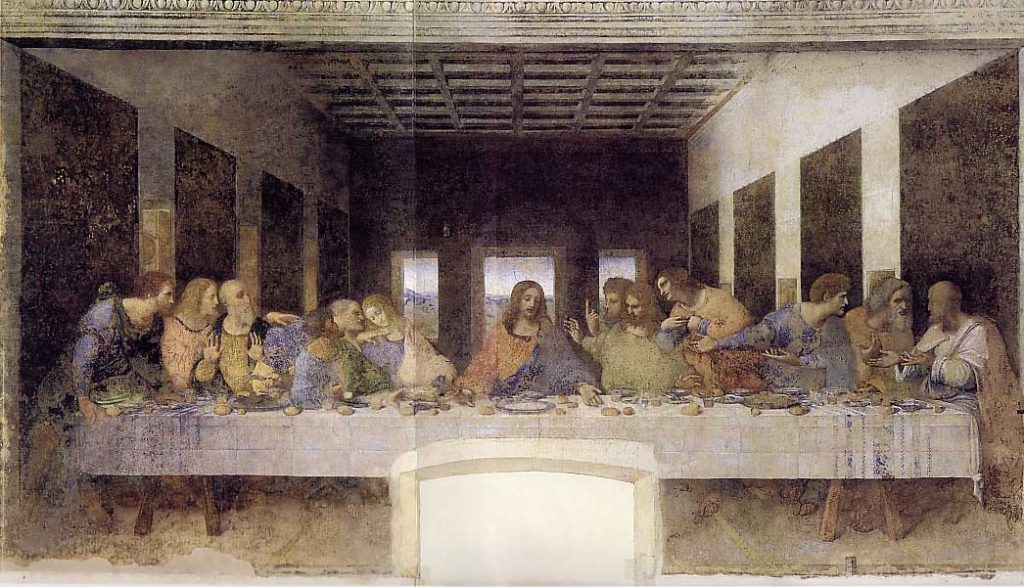
The evening shadows lengthened over Jerusalem as Jesus gathered His twelve in that upper room. The air carried the scent of roasted lamb and bitter herbs, the Passover meal they had shared so many times before. But this night was different. This was no ordinary Seder. On what we now call Holy Thursday or Maundy Thursday, the Lord of all creation stooped low, breaking bread and pouring wine in ways that would echo through the centuries. It was the night love took on flesh in humble service… and the night the shadow of betrayal began to fall.
“Maundy” comes from the Latin mandatum, the command Jesus gave that evening: “A new commandment I give to you, that you love one another: just as I have loved you, you also are to love one another.” That single sentence redefined everything. Not just affection, but sacrificial, foot-washing, cross-bearing love.
The Last Supper
Picture it with me. The disciples reclining at table, arguing perhaps about who was greatest among them (they still didn’t fully understand). Jesus, knowing His hour had come, rose from the meal, laid aside His outer garments, and wrapped a towel around His waist. The King of kings knelt before fishermen and tax collectors and washed their dusty, calloused feet.
Peter protested, of course. “You shall never wash my feet.” Jesus answered gently but firmly: “If I do not wash you, you have no share with me.” In that simple basin of water, He modeled the humility that would define His kingdom. “If I then, your Lord and Teacher, have washed your feet, you also ought to wash one another’s feet. For I have given you an example, that you also should do just as I have done to you.”
Then came the meal itself. Jesus took bread, blessed it, broke it, and said, “Take, eat; this is my body.” He took the cup, gave thanks, and declared, “Drink of it, all of you, for this is my blood of the covenant, which is poured out for many for the forgiveness of sins.” In that upper room, the old Passover found its fulfillment. The Lamb of God was instituting the new and eternal covenant, the Eucharist, commanding His apostles (and through them, the Church) to “do this in remembrance of me.”
That night, the priesthood was born in service. The altar was foreshadowed at a simple table. And the command to love as He loved became the heartbeat of every follower who would come after.
Observances and Traditions
Across Christian traditions, Holy Thursday pulls us back into that upper room. In the Catholic Church, the day often begins with the Chrism Mass, where the bishop blesses the holy oils used for baptisms, confirmations, ordinations, and anointings throughout the year, a beautiful reminder that the priesthood flows from this night.
The main celebration is the Evening Mass of the Lord’s Supper. The Gloria rings out one last time before the solemn quiet of the Triduum. The priest washes the feet of several parishioners, echoing Jesus’ example. The Eucharist is consecrated, and afterward, the Blessed Sacrament is carried in procession to a side altar for adoration, symbolizing Jesus’ move from the supper to the Garden of Gethsemane. The main altar is then stripped bare, leaving the church in quiet emptiness as we enter the Passion.
Many Protestants observe the day with Communion services and sometimes foot-washing, focusing on the themes of servant leadership and the new commandment. In some cultures, families share special meals, green herbs and soups in Central Europe, unleavened breads elsewhere, reminders of both the old Passover and the new reality in Christ.
A moving custom in many places is visiting churches to pray before the Sacrament in repose, staying awake with Jesus as He prayed alone while the disciples slept. Church bells fall silent after the Gloria (in some traditions, they “fly to Rome” until Easter), replaced by wooden clappers, a small but poignant sign that the time for rejoicing has paused.
The Shadow of Gethsemane
After the meal and the washing, they sang a hymn and went out to the Mount of Olives. There, in the garden, Jesus began His agony. “My soul is very sorrowful, even to death,” He told them. He prayed, “Abba, Father, all things are possible for you. Remove this cup from me. Yet not what I will, but what you will.” Sweat fell like drops of blood as He submitted fully to the Father’s plan.
The night that began with bread and wine and a basin of water now moved toward betrayal. A kiss in the darkness. Swords drawn. Arrest. But the full weight of trial, scourging, and the cross: that belongs to tomorrow.
There was a command to love…
a towel and a basin…
a broken body and poured-out blood…
an agony in the garden…
But Sunday’s coming.
