
Echoes of the 1990 Budget Brinkmanship in “The Art of the Hemisphere”
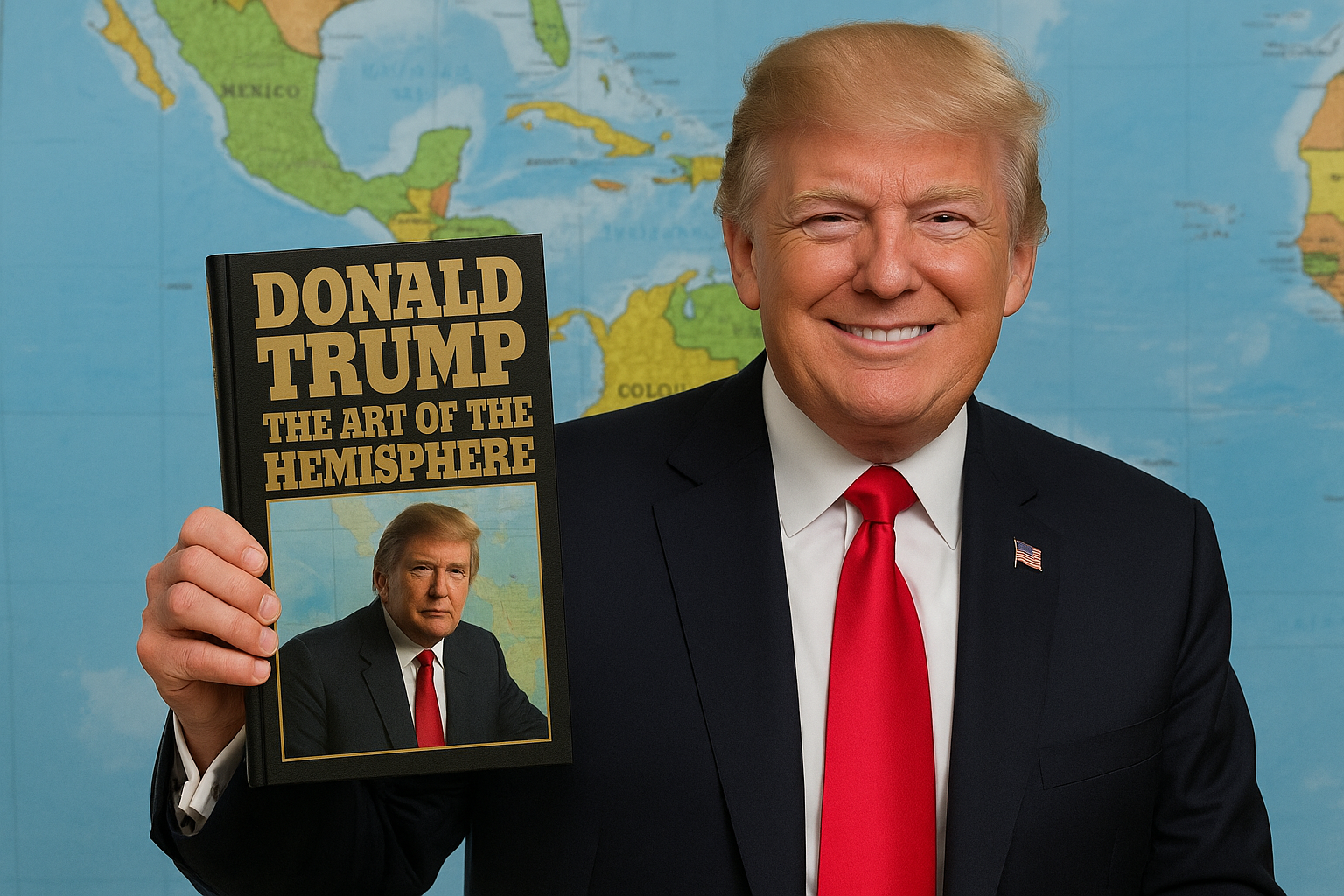
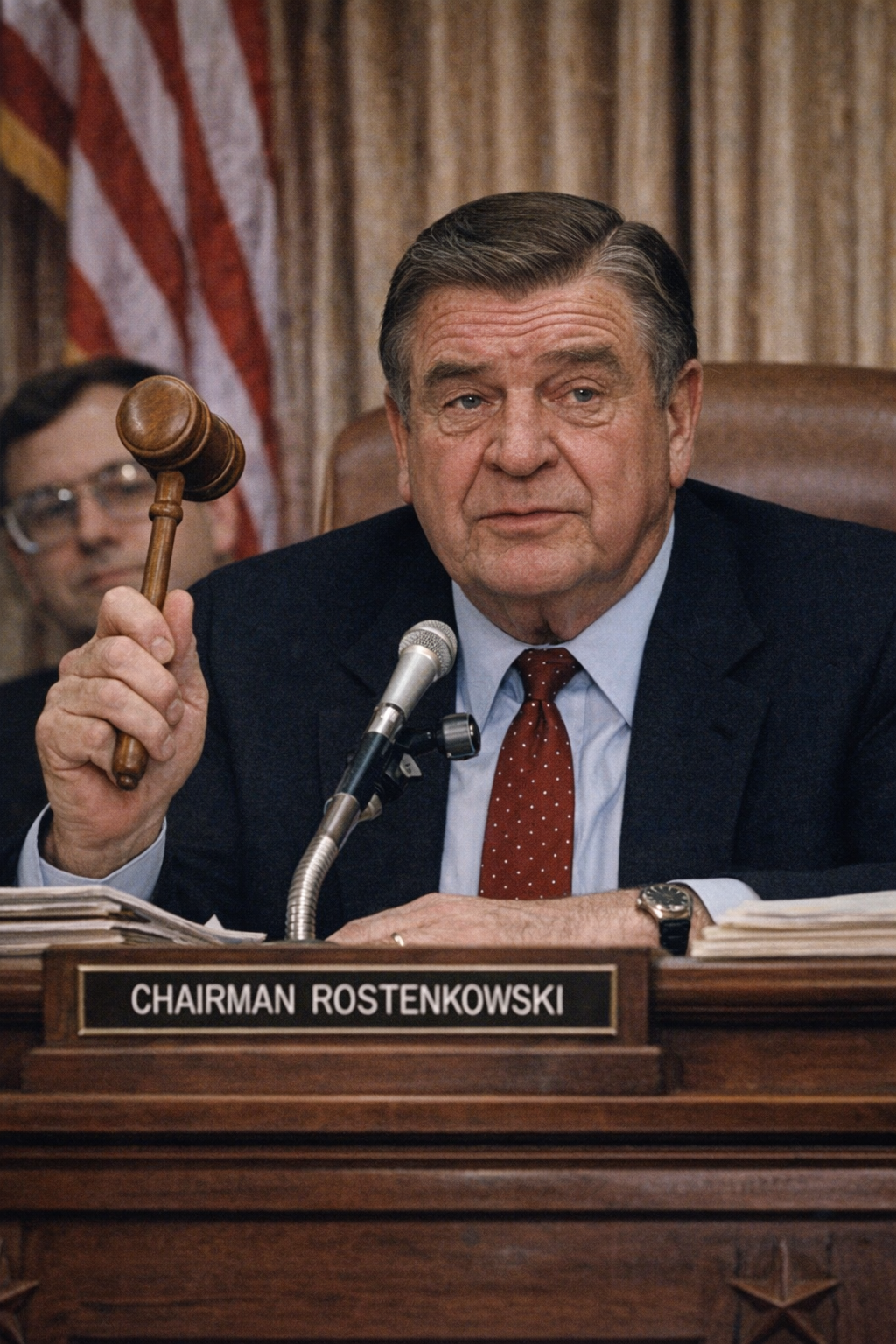
In the high-stakes arena of international relations, President Donald Trump’s recent tariff threats against eight European nations over Greenland bear an uncanny resemblance to a pivotal domestic fiscal showdown from over three decades ago. Just as House Ways and Means Chairman Dan Rostenkowski dangled a politically toxic proposal during the 1990 budget negotiations to force President George H.W. Bush to concede on tax hikes, Trump is wielding economic leverage to compel Europe-particularly Denmark-to yield on a strategic asset. This isn’t mere bullying; it’s a calculated play in what I’ve termed “The Art of the Hemisphere,” and written about (here, here, here, here, here, here, and here), are Trump’s sequel to his famous deal-making manifesto, where outrageous opening bids and pressure tactics pave the way for pragmatic, face-saving outcomes. With tariffs set to kick in at 10% on February 1 (escalating to 25% by June unless a deal is reached), the stage is set for Europe to blink, reshaping transatlantic ties without outright rupture.
The Historical Parallel: Rostenkowski’s Playbook Applied to Greenland
Bracket creep was a chronic issue in the pre-1980s U.S. tax system, where progressive brackets amplified its effects. During the high-inflation 1970s (averaging over 7% annually), millions of Americans found themselves taxed at rates meant for the wealthy, even as their real wages stagnated. It was a regressive drag on economic growth, effectively punishing savers and workers.
Ronald Reagan ended bracket creep decisively with the Economic Recovery Tax Act of 1981 (ERTA), which he signed into law on August 13, 1981. A cornerstone of Reaganomics, ERTA introduced automatic annual indexing of tax brackets to the Consumer Price Index (CPI) starting in 1985. This reform neutralized inflation’s distorting impact, ensuring that tax liabilities reflected real income gains rather than illusory ones driven by rising prices. Reagan championed it as part of his broader supply-side agenda to cut marginal rates (from 70% to 28% for top earners) and stimulate growth, arguing that “inflation is as violent as a mugger, as frightening as an armed robber, and as deadly as a hit man.” By indexing, he shielded taxpayers from government’s inflationary overreach.
Fast-forward to 1990: Rostenkowski’s threat to pause indexing was a cunning bluff-a “stealth” tax increase that could generate billions without the political fallout of explicit hikes. It put Bush in a bind; rejecting it risked deeper cuts or economic turmoil amid recession. Bush ultimately blinked, breaking his “read my lips: no new taxes” pledge by agreeing to overt revenue raisers like higher gas taxes and deduction limits in the final $500 billion deal. The move cost him dearly in the 1992 election, but it averted what Democrats portrayed as worse alternatives.
Trump’s approach mirrors this: The tariffs-imposed on Denmark and its Greenland-solidarity allies (Norway, Sweden, France, Germany, the UK, the Netherlands, Finland)-are the painful “indexing suspension” equivalent, hitting European exports hard to extract concessions on Greenland’s “complete and total purchase.” Trump justifies it by citing unbalanced U.S. “subsidies” in trade and defense, much like Rostenkowski highlighted deficit woes.
Tying It to Today: “Bidenflation” and the Ghost of Bracket Creep
This historical lens gains even sharper relevance when viewed through the prism of recent U.S. economic pain under “Bidenflation.” From January 2021 to December 2025, cumulative inflation reached approximately 23-25%, far exceeding the “over 21%” often cited in conservative critiques. This surge-driven by factors like supply chain disruptions, energy policies, and massive federal spending (e.g., the $1.9 trillion American Rescue Plan)-echoes the 1970s stagflation that made bracket creep so pernicious. Without Reagan’s indexing legacy, Americans would have faced a double whammy: eroded purchasing power plus automatic tax hikes as inflation shoved them into higher brackets.
Imagine if indexing hadn’t been in place: A family earning $60,000 in 2021 might see nominal wages rise 25% to $75,000 by 2025 just to keep pace, but without adjustments, they’d jump from the 12% bracket to 22% or higher, owing thousands more in taxes on “gains” that bought no additional goods. Bidenflation’s toll-groceries up 30%, energy 40%, housing 25%-would have been compounded by this hidden tax, squeezing the middle class further. Reagan’s reform prevented that, but the episode underscores how inflation acts as government’s silent partner in revenue grabs. Trump’s tariffs invoke a similar dynamic: Economic pressure to force a blink, reminding Europe that unchecked imbalances (like NATO free-riding) mirror unindexed taxes-insidious and unsustainable.
The Leverage Imbalance: Who Needs Whom More?
Europe’s dependencies tilt the scales toward a U.S. win. Here’s a quick balance sheet:
| Aspect | U.S. Leverage | Europe Leverage | Net Imbalance |
|---|---|---|---|
| Trade | U.S. imports ~$900B from EU annually; tariffs could shave 0.2-0.5% off EU GDP. | EU is U.S.’s top partner; retaliation risks U.S. inflation on key imports. | Slight U.S. edge |
| Defense/NATO | Funds ~70% of NATO; could threaten pullouts amid Russia threats. | U.S. bases vital for global reach; Europe ramping spending post-Ukraine. | Strong U.S. edge |
| Energy/Resources | Greenland’s rare earths key for U.S. tech/defense vs. China. | Controls Arctic lanes; U.S. push could spur EU-Russia/China ties. | Even |
| Geopolitics | Dollar dominance, market size; Europe needs U.S. on Ukraine. | EU regulatory power (e.g., GDPR); could impose digital taxes. | U.S. edge, eroding if overplayed |
Bottom line: Europe needs the U.S. security umbrella more urgently, especially with Arctic rivalries heating up. As Treasury Secretary Scott Bessent put it on Meet the Press today, “We are not going to outsource our Western Hemisphere security to others,” framing Greenland as indefensible without U.S. control.
The Face-Saving Off-Ramp: COFA and a Referendum Path
Rather than a humiliating outright sale, expect a Compact of Free Association (COFA)-modeled on U.S. deals with Pacific nations like Palau. Greenland holds a referendum on independence (accelerating its long-standing aspirations under the 2009 Self-Government Act), then signs a COFA granting the U.S. exclusive defense rights, expanded basing (beyond Pituffik Space Base), and resource priority in exchange for billions in aid, infrastructure, and perks-dwarfing Denmark’s ~$600-650 million annual subsidy.
Denmark saves face by offloading costs without “selling,” spinning it as self-determination support. Greenlandic leaders like Kuno Fencker have endorsed COFA for prosperity without annexation. Recent signals-like the Danish MFA’s joint statement today condemning tariffs but affirming “dialogue,” and NATO Secretary General Mark Rutte’s call to Trump ahead of Davos (“We will continue working on this”)-point to backchannels grinding toward a “principle agreement on the framework” tying referendum to COFA. Recall Rutte’s 2025 NATO summit quip about “daddy” using strong language to stop fights-a metaphor for U.S. leadership he later clarified as affectionate deference. It’s the same charm offensive now: Public solidarity (protests, symbolic troops) masking pragmatic concessions.
Diplomatic Theater: Posturing Meets Pragmatism
The optics are loud-thousands protesting in Nuuk and Copenhagen, Macron deeming threats “unacceptable,” EU pausing trade deals-but the math favors resolution. Denmark’s subsidy burden and tariff pain make digging in untenable. This is realism, not submission: Europe takes an offer it “can’t refuse,” as I posited weeks ago.
Trump’s Masterclass and Hemispheric Horizons
Trump’s tactics-echoing Rostenkowski’s-yield a hemispheric triumph: Arctic dominance without breaking NATO. It’s “The Art of the Hemisphere” in motion, potentially extending to Venezuela or Panama Canal echoes. Watch Davos for hints: Tariff pauses or aid teases could seal it. Rather than lose ugly, Europe pivots to the off-ramp.
