
Donroe Rising: How Trump Restored U.S. Dominance in the Western Hemisphere
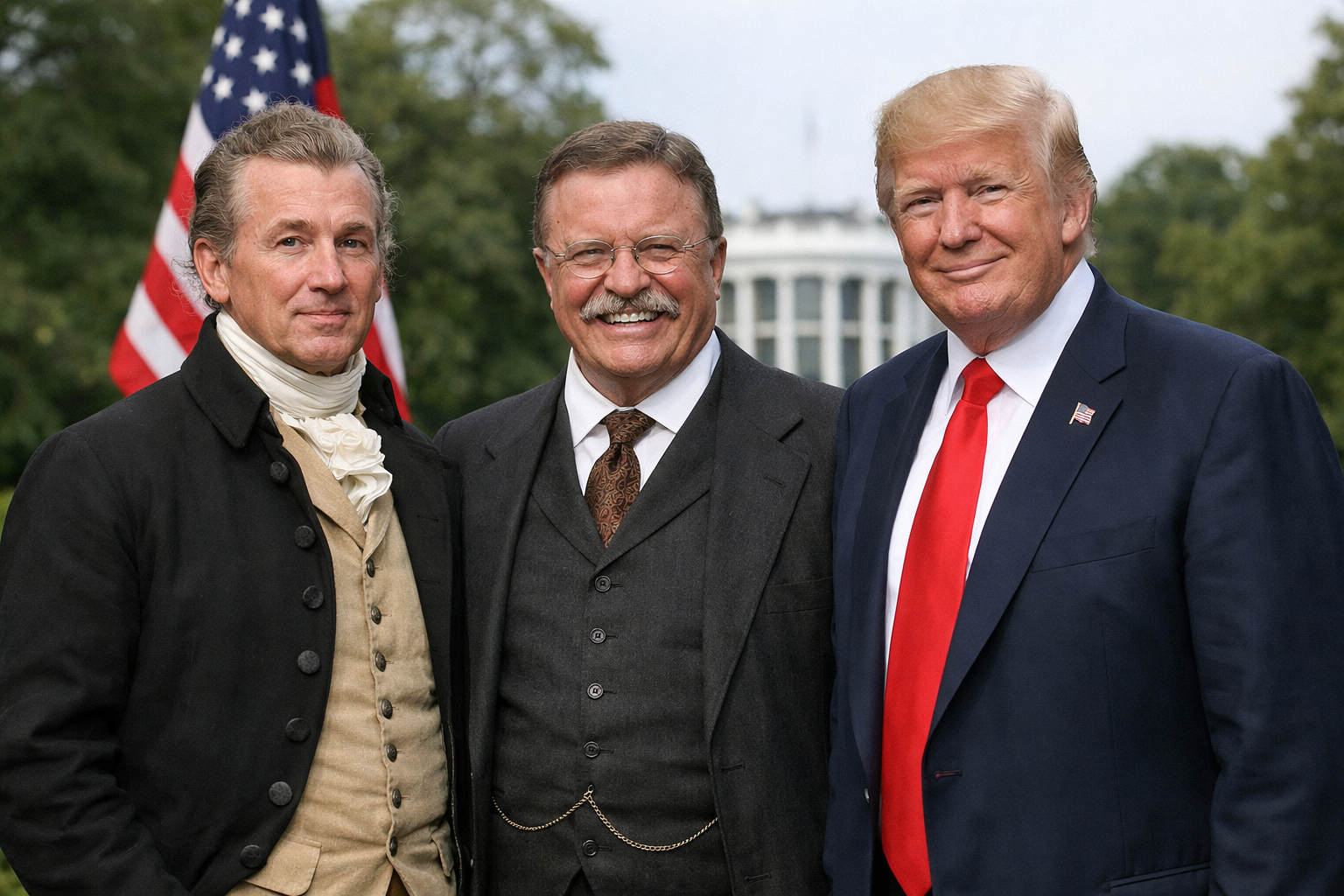
In the early hours of January 3, 2026, President Donald Trump shattered years of diplomatic paralysis with a swift military operation that captured Venezuelan dictator Nicolás Maduro, extraditing him to New York to face narco-terrorism charges. This bold stroke, launched from 20 U.S. bases with 150 aircraft, not only toppled a regime long allied with adversaries like China, Russia, and Iran but also signaled a seismic shift in U.S. hemispheric policy. Contrast this with the 2009 Honduran crisis, where President Manuel Zelaya’s illegal bid to rewrite the constitution for reelection prompted his lawful removal by Congress and the Supreme Court. The Obama administration condemned it as a “coup,” threatened aid cuts, but deliberately avoided a full suspension to maintain leverage-ultimately recognizing the post-ouster elections without reinstating Zelaya. Such equivocation epitomized Democrat approaches: tough talk without teeth, allowing crises to fester. Trump’s “Donroe Doctrine” revives historical assertiveness, exposing Democrat hypocrisy as a cautionary tale for voters-entrusting national security to leaders whose rhetoric crumbles into obstructionism risks American weakness abroad and chaos at home.
Historical Roots: Monroe and Roosevelt as the Original “America First”
The Monroe Doctrine, proclaimed in 1823 by President James Monroe and crafted by Secretary of State John Quincy Adams, was unapologetically “America First.” It declared the Western Hemisphere closed to further European colonization or interference, establishing separate spheres of influence to safeguard U.S. peace and expansion.
Theodore Roosevelt amplified this in 1904 with his Corollary, amid the Venezuelan debt crisis where European powers blockaded the country. Roosevelt asserted the U.S. as an “international police power,” intervening in cases of “chronic wrongdoing” or instability to prevent foreign encroachments. This “big stick” diplomacy justified actions like assuming Dominican customs control in 1905, ensuring order without inviting rivals. Both doctrines prioritized U.S. interests-security, trade, and resources-over multilateral niceties, a blueprint Trump has reclaimed for modern threats like economic infiltration and narco-states.
Obama and Biden: Multilateral Hesitation and Inaction
Barack Obama’s Latin America policy emphasized partnerships and soft power, visiting the region eight times to foster alliances. Yet, in Honduras, his administration’s response was emblematic of indecision: Initial condemnation evolved into acceptance of elections under the interim government, with Hillary Clinton later admitting in her memoir that she prioritized stability over Zelaya’s return.
On Venezuela, Obama imposed targeted sanctions for human rights abuses but shied from broader isolation or force, declaring it a “national security threat” without escalation.
Joe Biden continued this pattern, maintaining Trump-era sanctions but offering temporary oil relief tied to fair elections-revoked after Maduro’s disputed 2024 win. His $4 billion Central America Forward initiative aimed at root causes like corruption and poverty, yet border crossings surged to record levels. The $25 million bounty on Maduro went unenforced, allowing foreign powers deeper entrenchment. This multilateral, incentive-driven approach-exemplified by the 2022 Summit of the Americas, marred by exclusions and criticism-left U.S. influence waning, migration unchecked, and adversaries emboldened.
Trump’s “Donroe Doctrine”: Decisive Revival and Results
Trump’s first term laid the groundwork: Recognizing Juan Guaidó as interim president, imposing crippling oil sanctions, and threatening military action. In his second, the “Donroe Doctrine”-blending “Don” with “Monroe”-explicitly revives historical principles, demanding rivals “get out” of the hemisphere.
The Venezuela strike echoes Monroe by excluding foreign influences and Roosevelt by intervening against Maduro’s “chronic wrongdoing”-election fraud, abuses, and narco-ties.
Results are immediate: Maduro’s capture curbs fentanyl flows and migration, while U.S. firms eye Venezuela’s 303 billion barrels of oil, forging an “oil empire” from Alaska to Patagonia. Trump frames this as temporary oversight for elections and repairs, not occupation-aligning with “America First” by securing resources and borders without endless wars.
Democrat Hypocrisy Exposed: Tough Talk Turns to Clownish Obstruction
For years, Democrats lambasted Trump for inaction on Maduro. In 2020, Biden accused him of admiring dictators like Maduro, vowing to stand for Venezuelan democracy. Leaders like Chuck Schumer, Hakeem Jeffries, Tim Kaine, and Kamala Harris decried Maduro as an illegitimate tyrant, urging stronger pressure.
Senator Chris Murphy exemplifies the flip: In 2019, he praised Trump’s focus on restoring Venezuelan legitimacy, yet in 2026 interviews, he condemned the operation as “wildly illegal” and unrelated to U.S. security, claiming “evil dictators everywhere” don’t justify invasion. Nancy Pelosi accused Trump of hypocrisy over pardons, ignoring her party’s past calls for Maduro’s ouster.
This parade of reversals-empty posturing when powerless, reflexive outrage when Trump succeeds-reveals partisan bad faith. Even internal GOP critics like Thomas Massie and Marjorie Taylor Greene, who echo isolationist objections sometimes aligning with far-left voices, pale beside this Democrat clownishness. Their stances fracture unity, but Democrat hypocrisy undermines national resolve.
A Cautionary Election Lesson
Trump’s doctrine secures the hemisphere, protecting Americans from drugs, migration, and rival encroachments-where Obama and Biden’s hesitation invited them. Electing Democrats means reverting to weakness: Hypocritical leaders who obstruct victories for political gain, leaving the U.S. vulnerable. History vindicates assertiveness; you can just do things and voters must choose Trump’s proven path for an unapologetic America First era.
