
Identity Politics and the Fracturing of American Institutions
Trump’s Corollary in Action: Choking the Narco-Nexus
Three weeks ago, I laid out how President Trump’s pardon of former Honduran President Juan Orlando Hernández (JOH)-a man convicted of turning his country into a cocaine superhighway-was no act of mercy, but a stroke of asymmetric genius. Low domestic cost, high strategic yield: Flip Honduras, isolate Nicolás Maduro, and dangle a “golden bridge” of exile and asset unfreezing in exchange for Venezuelan oil concessions, base closures, and a clean break from his narco-terror cronies. Critics howled hypocrisy; I called it the biggest real-estate deal since Manhattan, with 300 billion barrels of Orinoco heavy crude on the table.
Well, folks, the noose is tightening-and it’s a thing of beauty. In the span of 20 days, Trump’s “maximum pressure” has morphed from rhetoric into a full-spectrum squeeze: Kinetic strikes, electronic warfare, tanker seizures, and a de facto blockade that’s got Maduro’s regime gasping. Backed by a revamped National Security Strategy (NSS) that puts the Western Hemisphere front and center, and amplified by a conservative electoral wave sweeping South America, the strategy is paying dividends. Maduro’s stolen 2024 election? Just the latest desperate bid to suppress Venezuela’s own rightward lurch. Let’s break it down.
The Pardon Delivers: Honduras Flips, Maduro Isolated
Start with the low-hanging fruit. The pardon wasn’t a giveaway-it was leverage. JOH, fresh out of U.S. prison and back in Honduras, threw his weight behind ally Nasry “Tito” Asfura in the presidential runoff. Result? Asfura’s narrow win, ushering in a pro-U.S. conservative who’s already pledging joint anti-drug operations and potential base access for American forces. Honduras, once a key transit node for Maduro’s Venezuelan-sourced cocaine (as laid bare in JOH’s own 2022 indictment), is now a firewall. Trump’s pivot: “Maduro is the real drug kingpin-we’re taking him out.”
This isn’t isolated. South America’s “blue tide” conservative surge-far-right José Antonio Kast’s landslide in Chile (58% on December 14), center-right Daniel Noboa’s reelection in Ecuador, Rodrigo Paz’s upset in Bolivia-has flipped the map. Nine right-leaning governments now dominate the continent, united by voter fury over crime, migration, and economic rot. These leaders echo Trump’s playbook: Iron-fisted security, market reforms, and zero tolerance for leftist holdouts like Maduro. Brazil’s Lula and Colombia’s Petro look like relics, their pink-tide dreams drowned in a sea of blue. And Venezuela? Polls before Maduro’s 2024 theft showed opposition conservative Edmundo González crushing him 67-30% on tally sheets the regime won’t release. That’s not socialism’s last stand-it’s suppression of a rightward shift screaming for change.
Escalation in Overdrive: Blockades, Jams, and the Chevron Carve-Out
Enter the kinetics. “Operation Southern Spear” has turned the Caribbean into a shooting gallery: 28+ strikes on alleged narco-vessels, over 100 killed, and the message clear-Maduro’s “Cartel of the Suns” lifeline is severed. Then came the tanker plays: Seizure of the IRGC/Hezbollah-linked M/T Skipper on December 10 ($50-100 million haul), followed by a bold boarding of a non-sanctioned vessel on the 20th. Exports? At a standstill, except for one American exception: Chevron’s 300,000 barrels per day under a restricted U.S. license, where Maduro’s PDVSA gets oil in-kind, no cash. Genius-starve the shadow fleets tied to Iranian proxies while securing a U.S. foothold for the post-Maduro bonanza.
Layer on electronic warfare: U.S. warships (led by the USS Gerald R. Ford) and Venezuelan forces jamming GPS to thwart drones and missiles, spiking Caribbean flight hazards (20% disruptions, near-collisions, holiday cancellations stranding families). Civilian fallout? Regrettable, but necessary to dismantle the Maduro-Hezbollah nexus. Israeli strikes decimated Hezbollah in Lebanon (Nasrallah and crew gone), forcing a “strategic retreat” to Venezuela-hundreds of fighters hunkering on Margarita Island, aka “Terror Island,” for fundraising and paramilitary ops. Secretary Rubio nails it: This is the “single most serious threat” from the hemisphere.
The NSS Backbone: Trump’s Monroe Doctrine 2.0
None of this is ad hoc-it’s doctrine. The 2025 NSS declares hemispheric preeminence a “vital interest,” invoking a “Trump Corollary” to deny Russia, China, and Iran strategic footholds. Venezuela’s spotlighted as the nexus of drugs, migration, and terror proxies-Hezbollah’s gold-for-weapons swaps, Iranian drones, Lebanese clans laundering coke cash. The strategy realigns forces homeward (Europe? Pay up or handle your own burdens), freeing up the Caribbean armada (15,000 troops, F-35s, B-1Bs).
Trump’s endgame? He won’t rule out war-“I don’t rule it out, no”-but prefers the deal: Maduro exiles to Dubai or Turkey, unfreezes assets, allows monitored elections, hands over Orinoco splits (70/30 U.S. favor), and boots foreign bases. Congressional doves tried War Powers curbs; Trump crushed them 210-216 and 211-213. With Maduro’s naval escorts risking clashes and his regime under siege (flights grounded, exports choked), the golden bridge beckons-or endless escalation awaits.
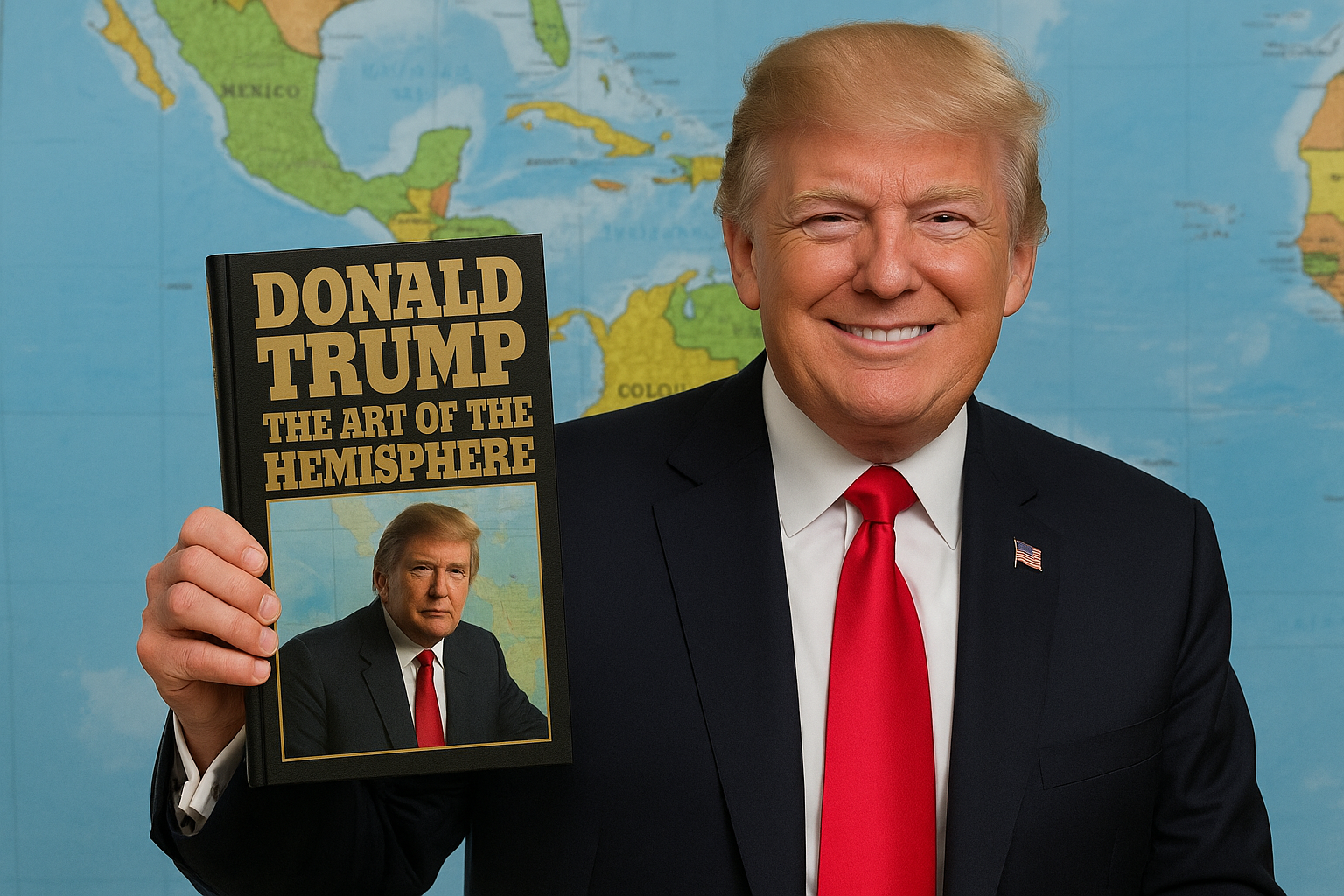
This isn’t aggression; it’s reclamation. The Hemisphere’s rightward tide proves voters crave security and prosperity-demands Maduro’s fraud can’t forever suppress. Trump’s turning the screw, one seizure at a time. If Maduro folds, it’s not just oil-it’s a Monroe Doctrine revival, libertarian charter cities blooming, and adversaries denied a foothold. The art of the deal? Masterclass in progress.
Like this post? Become a Citizen Producer!


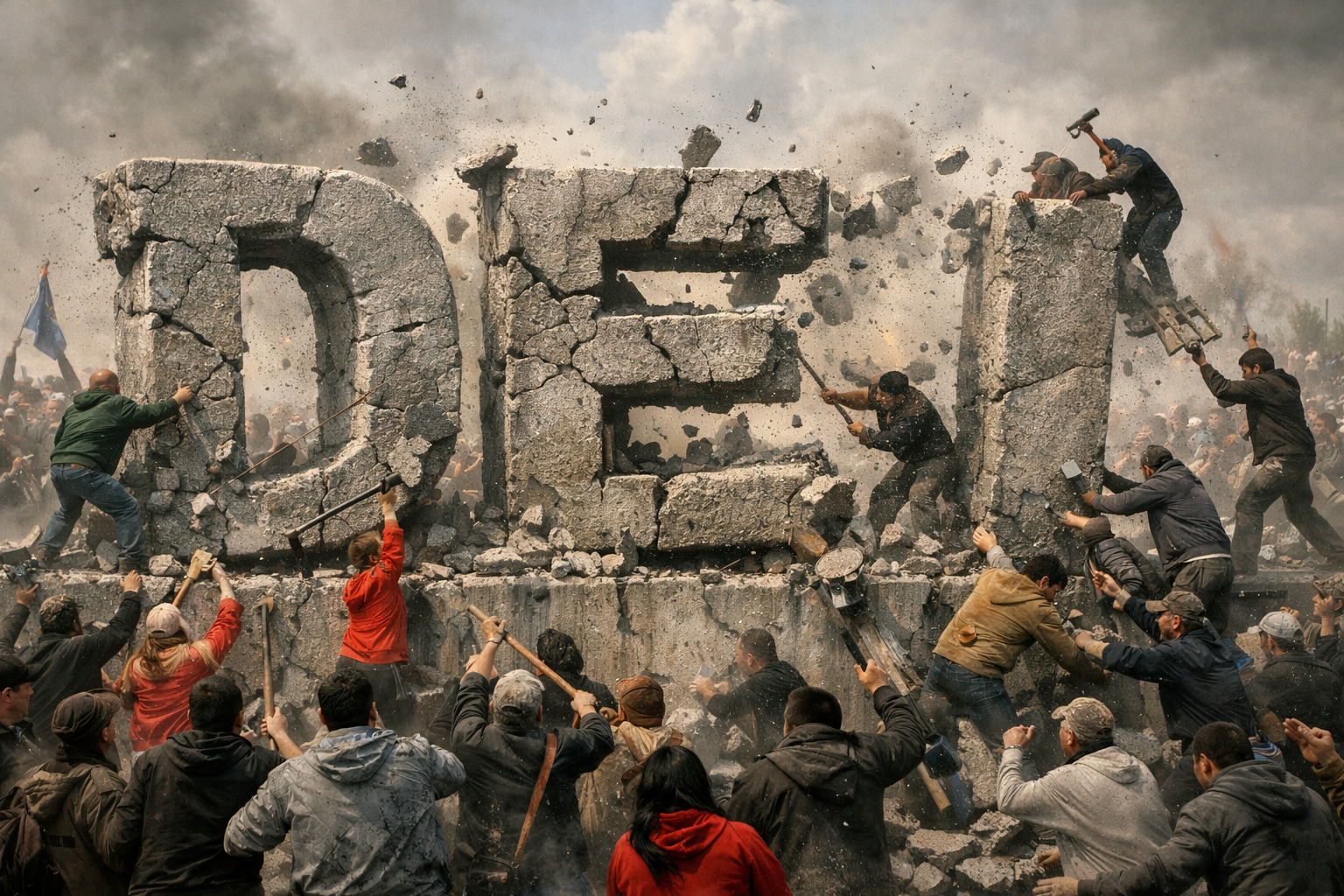
A cluster of opinion pieces this week across conservative and independent outlets crystallized a sharp backlash against diversity, equity, and inclusion (DEI) initiatives. Authors in Fox News, Compact, The Wall Street Journal, Racket News, and Substack argue that post-2014 identity politics has captured elite institutions, eroded meritocracy, and alienated a generation-particularly millennial white men. This discourse, amplified by viral X posts, coincides with corporate and academic DEI retreats amid legal and political pressure.
The critique is not unanimous: defenders see DEI as correcting persistent underrepresentation, but the volume and timing of these pieces signal a cultural turning point. Below, five interconnected themes emerge from the sources.
1. Institutional Capture and Meritocracy’s Decline
Critics describe academia, media, Hollywood, publishing, and corporations as reshaped by DEI mandates that prioritize demographic representation over talent. Jacob Savage and Matt Taibbi cite data showing white male tenure-track hires at Harvard humanities falling from 39% to 18% (2014–2023) and TV writers from 48% to 11.9%. Joseph Massey indicts MFA programs-now 253 nationwide-for fostering ideological echo chambers where rigorous workshop critique yields to affirmation, producing weaker poetry dominated by identity narratives.
David Marcus attributes poetry’s “feminization” to leftist academic influence, while Wokal Distance traces the deeper ideology to Gramsci’s cultural hegemony, framing anti-white policies as legitimate counter-hegemony.
A generation of white people were openly racially discriminated against in the name of…
Diversity. pic.twitter.com/yFOke59CZv
— C3 (@C_3C_3) December 18, 2025
A viral X post resurfaced 2023 Bloomberg data: S&P 100 firms added 323,000 jobs in 2021, with 94% going to people of color and white employment dropping 90,400. Originally hailed as progress, it is now cited as evidence of systemic discrimination. Recent reports confirm 2025 rollbacks-universities rebranding DEI offices, corporations cutting programs-suggesting the pendulum has swung.
2. A “Lost” Generation of Millennial White Men
Savage’s “The Lost Generation” centers on millennial white men entering elite pipelines after 2014, only to face explicit demographic penalties. Personal anecdotes-of near-misses in Hollywood writing rooms or media hiring-illustrate a perceived bait-and-switch: raised on meritocratic ideals, they encountered institutionalized preference against them.
Wokal Distance argues this hostility stems not from simple racism but from theoretical justification: straight white men are cast as hegemonic oppressors, making “counter-hegemonic” exclusion morally defensible. Viral reactions, including Abigail Shrier’s widely shared endorsement, reveal deep resentment, with users recounting stalled careers and demographic anxieties.
Counterarguments note that gender imbalances in higher education already disadvantaged men in some contexts, and economic factors like automation affect all groups. Yet the grievance’s intensity risks fueling white identity politics if left unaddressed.
3. Cultural Vitality Undermined
Poetry serves as a microcosm. Massey contrasts Whitman’s and Dickinson’s individualistic tradition with contemporary work weakened by identity conformity-citing Jericho Brown’s Pulitzer lines and Lisa Low’s childlike satire. Marcus calls for reclaiming “manly” poetic traditions of resilience and reason.
Beyond verse, critics see broader artistic homogenization: narratives constrained by representational quotas, critique softened to avoid harm. Defenders counter that diverse voices enrich culture, countering historical exclusion. Amid AI-driven content fatigue, Massey warns of a spiritually poorer nation without art that transcends the political moment.
4. Polarized Reception and Rapid Virality
The pieces spread quickly in conservative circles: Savage’s essay drew thousands of engagements, the C3 post reached 6.8 million views, and reactions ranged from calls for reparations to accusations of “anti-white regimes.” Literary responses to Massey and Marcus mixed praise with dismissal.
X searches reveal both amplification and pushback-some frame DEI as reverse oppression, others highlight its benefits or label critics hypocritical. Corporate reports show DEI evolving rather than vanishing: rebranding, focus on well-being over quotas. The discourse risks echo chambers but also reflects the newfound boldness of a maturing public debate.
5. Implications for America’s Future
These critiques forecast a broader reckoning: DEI programs dismantled at Target, Walmart, and universities; legal victories narrowing affirmative action. Optimism appears in calls for poetic resistance and cultural revivals, but risks include radicalization and persistent division.
The irony is stark: initiatives meant to heal historical wounds have bred new grievances, diluting merit and individualism central to American dynamism. Nuanced reform-dismantling zero-sum frameworks while preserving genuine equity-offers a path forward. Ignore this moment, and resentment may harden into lasting fractures; seize it, and America can reclaim institutions that reward excellence and unite rather than divide. History rarely offers second chances so clearly-the choice belongs to us now.
