
Why the 2026 Midterms Are Still Ours to Win
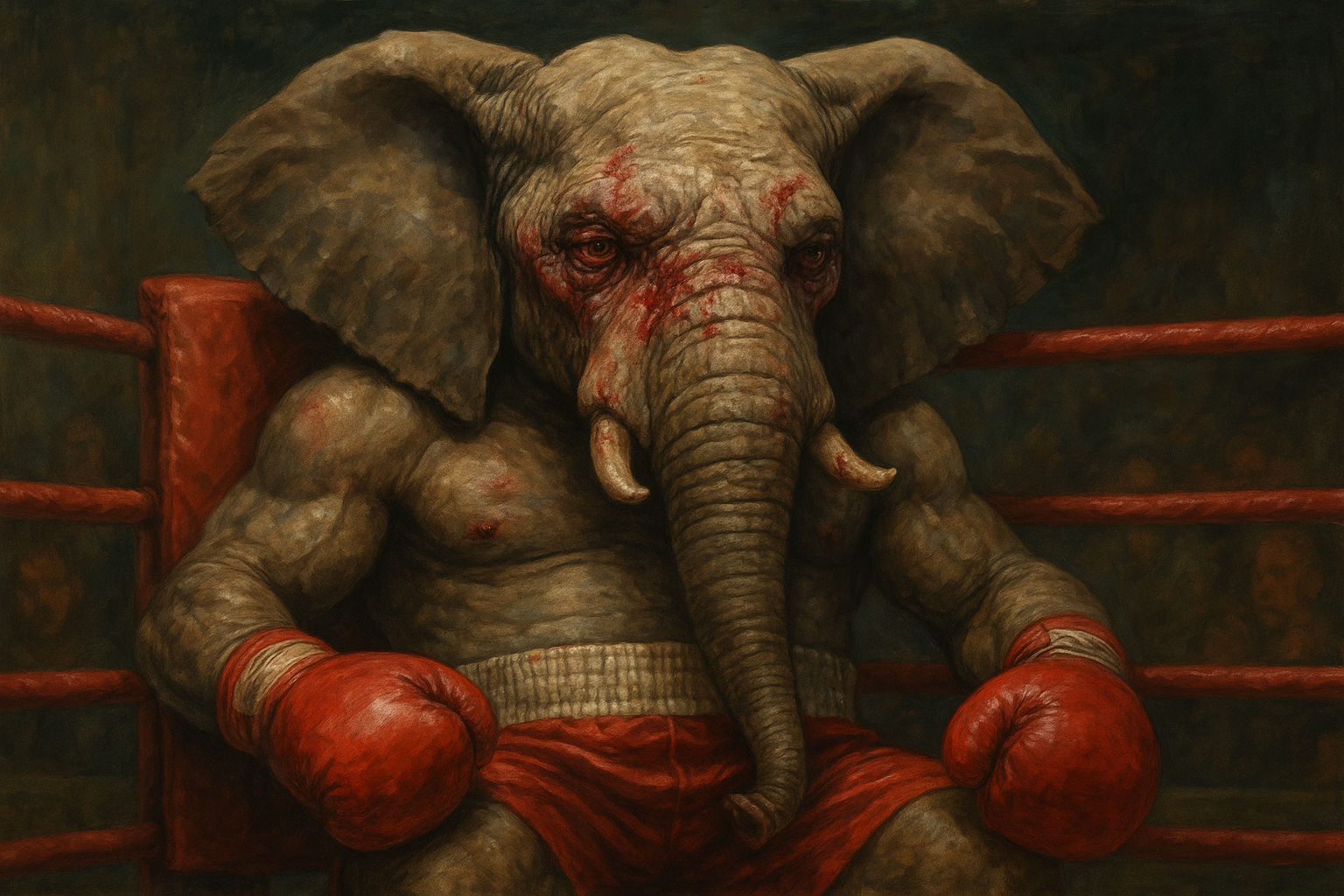
November 5, 2025 – Last night’s off-year elections were a gut punch for the GOP. Democrats swept Virginia’s top offices, with Abigail Spanberger cruising to the governorship by 15 points and Jay Jones claiming the attorney general spot amid his controversial texts fantasizing about political murder. In New Jersey, Mikie Sherrill trounced Jack Ciattarelli by 13 points. New York City elected 34-year-old Zohran Mamdani as mayor with 50.6% of the vote, a self-proclaimed Marxist who trampled Andrew Cuomo’s political dynasty. Down-ballot disasters piled on: Democratic supermajorities in Virginia’s House of Delegates and New Jersey’s assembly, a blue shift in New Hampshire, the end of the GOP supermajority in deep-red Mississippi, and even school board flips back to Democrats in Pennsylvania’s Bucks County. California passed Proposition 50, teeing up aggressive gerrymandering, while Maine rejected voter ID and embraced red flag laws.
It’s a bloodbath, no sugarcoating it. Media outlets are already spinning this as a referendum on President Trump and the MAGA agenda, a harbinger of doom for the 2026 midterms just one year away. But Republicans, take a breath. This isn’t 2018 redux-it’s a recoverable setback. To flip the script, we must laser-focus on three unbreakable rules:
Rule 1: It’s the economy, stupid.
Rule 2: See Rule 1.
Rule 3: Perception is reality.
Layer in the Democrats’ inevitable overreach, and remember Harold Macmillan’s timeless caution-“Events, dear boy. Events.”-and you’ll see why the midterms are still winnable.
First and foremost, it’s the economy, stupid. James Carville’s mantra from the 1992 Clinton campaign rings truer than ever. Last night’s wipeout wasn’t about Trump’s endorsements (or lack thereof), the government shutdown, or even hot-button cultural wars. It was the pendulum swing against the party in power when Americans feel squeezed. Inflation may have cooled to around 3% from its 2023 peaks, but that’s cold comfort when ground beef is up 14%, steak 12%, electricity a whopping 10% (even in energy-rich Texas at 7%), and healthcare costs remain sky-high. Gas prices dipped a measly three cents year-over-year-saving the average driver about $2 a month-while home prices and vehicles stay stubbornly elevated. Voters don’t pore over CPI reports; they feel the pinch at the grocery store, the pump, and the utility bill. As one analysis put it, “No one cares about the unemployment rate. They care about whether they are paying less for the things they buy the most in their daily lives.” Republicans hold the White House and Congress now, so we’re the incumbents taking the heat. But with a year to act, we can deliver tangible relief-tax cuts targeted at middle-class staples, deregulation to slash energy costs, and supply-chain fixes to tame food prices. Ignore this at our peril; fix it, and swing voters will swing back.
See Rule 1: It’s still the economy. Doubling down because repetition breeds emphasis. Democrats tried messaging their way out of economic woes in 2024 and got shellacked. We can’t repeat that mistake. Off-year turnout was low, especially among our low-propensity Trump base, but that’s no excuse. In Virginia, federal workers-largely Democrats-fumed over the shutdown furloughs. In red districts nationwide, from Georgia’s public service commissions (where Dems hit 60%+) to Mississippi’s flipped seats, economic angst trumped party loyalty. The electorate is a pendulum, punishing those in charge when folks can’t get ahead. We’ve got time to swing it back: Push for immediate wins like suspending certain tariffs inflating costs or boosting domestic production. If we make wallets thicker by next November, last night’s blue wave becomes a ripple.
But here’s the kicker-perception is reality. Even if topline stats improve, if Americans don’t feel the progress, it doesn’t count. Beef at $6 a pound and coffee up 40% drown out any abstract victories. Swing voters decide based on bank accounts, not briefing books. Last night, polling underestimated Democrats by wide margins-Spanberger’s lead ballooned from single digits to 15 points-because perceptions of GOP economic stewardship soured turnout. We mustn’t just enact policies; we have to sell them relentlessly. Highlight pocketbook wins in ads, town halls, and social media. Perception shaped 2024’s red wave; it can fuel 2026’s comeback.
Of course, Democrats will help us along by overreaching-as they always do. Expect it with Mamdani, who’s already the grinning Cheshire Cat of radical leftism, peddling “left-of-Lenin” politics, anti-Americanism, and what critics call Jew-hatred. He’ll “destroy” New York City, turning it into midterm fodder as crime, taxes, and dysfunction spike. California’s Prop 50 paves the way for gerrymandered maps that scream power grab, alienating moderates. Virginia’s Democratic supermajority will likely pursue aggressive redistricting and policies echoing Jones’ “bloodlust” vibe-his leaked texts “joking” about murdering opponents in front of their kids, fresh off the Charlie Kirk assassination horror. These aren’t your granddad’s Democrats; they’re young, vengeful radicals like 34-year-old Mamdani and 36-year-old Jones, brand ambassadors for extremism. In swing districts, no Dem will want them campaigning nearby. We should force the link, elevating them as the face of the party. Their narrow wins in blue bastions won’t play in Peoria-or purple America. Overreach will backfire, just as it did post-Obama in 2010.
Finally, never forget Harold Macmillan’s wry warning to a young politician: “Events, dear boy. Events.” Politics isn’t static; unforeseen crises-natural disasters, scandals, international flare-ups-can upend everything. A year is an eternity. The “Schumer Shutdown” blame game is already shifting; if we resolve it with pro-American wins, perceptions flip. Democrats’ planned “occupy-the-capital” protests could fizzle or explode into liability. Events will intervene, and if we’re positioned on the economy, we’ll capitalize.
Republicans, this isn’t defeat-it’s triage time, a moment to reassess and redirect our energies toward what truly matters for victory. By zeroing in on the economy, we can deliver the real, tangible improvements that voters crave and deserve. As we shape perceptions through clear, relentless communication, we’ll turn today’s setbacks into tomorrow’s strengths. Meanwhile, we’ll watch Democrats overreach with their radical agendas, confident that such excesses will alienate the moderate voters we need. Brace for the inevitable events that could reshape the landscape, and with disciplined action, we’ll not only survive but own the 2026 midterms.
