
The Epstein Files and the Perils of Hype
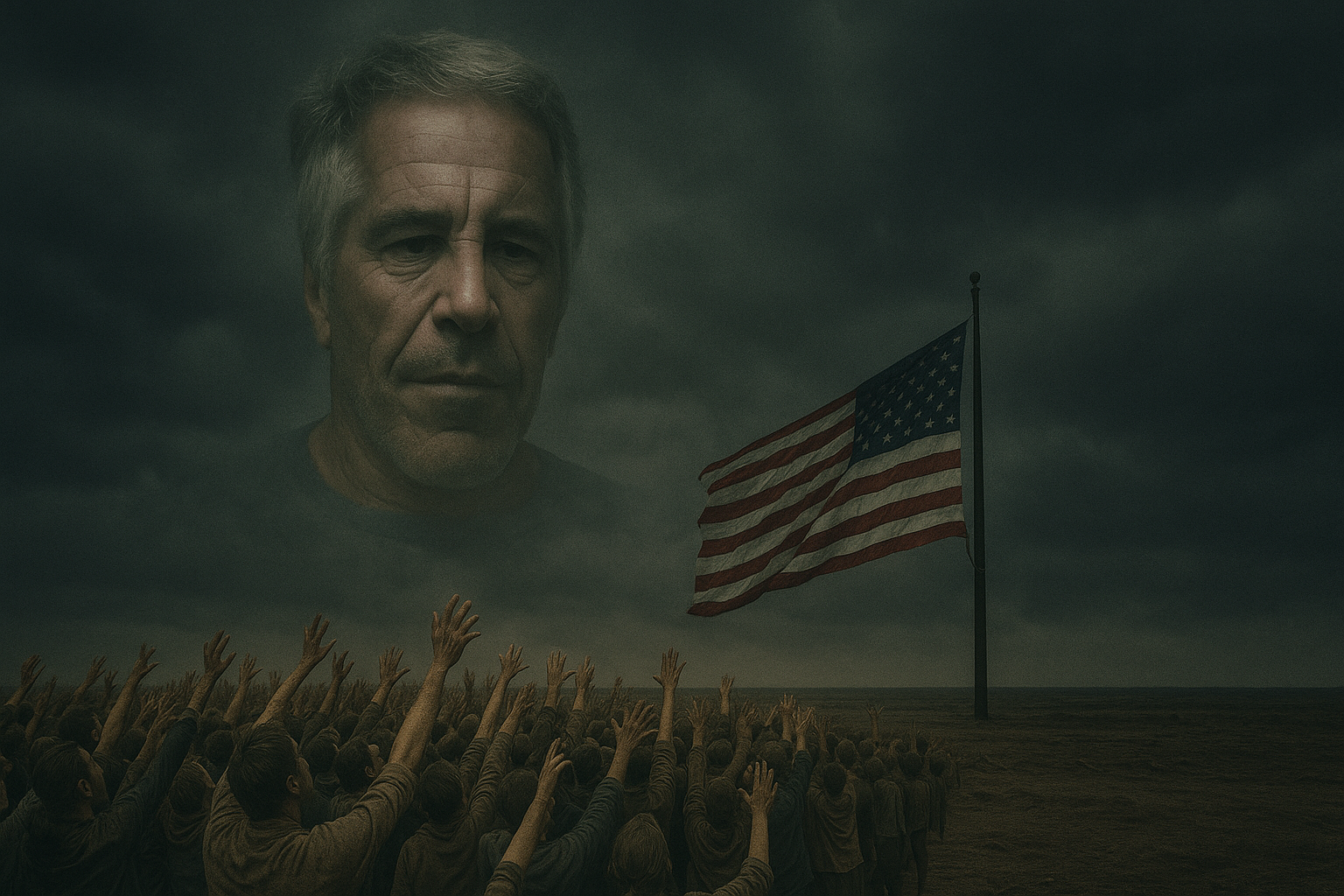
The clamor for Jeffrey Epstein’s so-called “files” has turned X into a circus of absurdity, where the least intelligent takes peddle fantasies so outlandish they’d make a conspiracy theorist blush. Users like @SpartaJustice dream of a secret “client list” exposing a global elite cabal, as if Epstein maintained a villainous Rolodex. Others, like @Jason_Jorjani, spin tales of Mossad-orchestrated blackmail, conjuring plots straight out of a dime-store novel. These takes are pure drivel, thriving on outrage rather than evidence. They cling to the delusion of a single document unveiling a grand conspiracy, ignoring the DOJ’s July 2025 memo, which bluntly states no such list exists. This is what happens when hype drowns out reality: a collective fever dream expecting a Hollywood-style reveal to tie up Epstein’s crimes in a neat bow. Spoiler: it’s not that simple.
At the grown-up table, legal realism cuts through the noise with clarity. Attorney Bill Shipley (@shipwreckedcrew), a former federal prosecutor, dismantles the “client list” myth with precision. “The ‘client list’ is a myth that has been propagated for more than a decade,” he wrote on July 6, 2025, arguing that expecting thousands of DOJ and FBI employees to conceal a smoking gun is “laughable.” The files, largely court documents from Virginia Giuffre’s 2015 lawsuit against Ghislaine Maxwell, are a messy sprawl of depositions, testimonies, and exhibits-not a curated ledger of guilt. Shipley stresses that some files contain child sexual abuse material, legally barred from release under 18 U.S.C. § 2252, and victim identities are shielded by the Victims’ Rights and Restitution Act. On July 7, 2025, he scoffed at the Trump administration’s early promises, noting, “Child porn evidence is never going to see the light of day,” emphasizing that judicial seals, not political will, dictate disclosure.
Alan Dershowitz, Epstein’s former lawyer and a lightning rod in this saga, reinforces Shipley’s pragmatism with a personal stake. In a July 14, 2025, NewsNation interview, he declared, “There is no client list and never has been a client list,” explaining that only redacted FBI affidavits with unverified accusations exist, suppressed by New York judges like Loretta Preska, not the DOJ. Having faced a false accusation from Giuffre (withdrawn in 2022), Dershowitz warned in his July 15, 2025, Wall Street Journal op-ed, “If the accusation is allowed out, so should the material that diminishes the credibility of the accuser,” highlighting the risk of unredacted releases ruining innocent lives. He debunks conspiracy theories-like Epstein’s death as a Mossad hit-pointing to the DOJ’s 2025 evidence of suicide via jail mismanagement. Yet, he calls for transparency with context to protect the innocent and expose the guilty, a nuanced stance grounded in legal reality.
The legal reasons for restraint are undeniable. Judge Preska’s seals protect over 250 victims, whose privacy is sacrosanct under federal law. Releasing unredacted files could retraumatize survivors, expose them to harassment, or violate court orders. Names in flight logs or Epstein’s “black book” often belong to staff, acquaintances, or uninvolved elites, not criminals, as the DOJ’s July 2025 memo found no basis for new prosecutions. Releasing sensitive material risks mob justice, as seen when the February 2025 release of 2,000 pages disappointed X influencers like Laura Loomer, who called it “unprofessional.” The legal system prioritizes proportionality-balancing transparency with harm prevention-over feeding public bloodlust.
Enter Reps. Ro Khanna (D-CA) and Thomas Massie (R-KY), whose bipartisan push for legislation mandating the release of the Epstein files reeks of political theater. Their effort rides the wave of public thirst for answers, fueled by X’s hype about a mythical list. But it’s performative, and here’s why: they know courts, not Congress, control sealed documents. Preska’s orders, rooted in privacy laws, can’t be bypassed without legal challenges. The DOJ’s July 2025 memo found no incriminating list, as Shipley and Dershowitz confirm, so the legislation chases a unicorn. Khanna appeals to progressive skeptics, Massie to libertarian distrusters, both gaining clout without accountability for results. If blocked, they blame “the system”; if passed, they claim victory, even if the release flops.
Here’s the rub: “Be careful what you wish for.” Even an exhaustive release-redacted to comply with laws-could backfire spectacularly. Public expectations, inflated by X conspiracies and MAGA promises, are so stratospheric that no disclosure will suffice. The February 2025 release was dismissed as inadequate, with @unusual_whales (July 14, 2025) noting Bondi’s contradictory claims. A full release risks the same fate, eroding trust in leaders like Trump and Bondi. Partisan warfare could escalate, with Democrats and Republicans weaponizing names like Clinton or Trump, as Dershowitz warned, deepening polarization. Innocent parties-victims or falsely accused-face harm if names leak, as seen in Dershowitz’s ordeal. Conspiracy theories, like @SpartaJustice’s (July 15, 2025) elite cover-up claims, could spiral, risking unrest akin to Pizzagate. Legal challenges from victims or named individuals could further taint the push as reckless.
The lesson is clear: the Epstein files are no silver bullet. They’re a complex web of legal documents, not a Hollywood reveal. Khanna and Massie’s legislation, while well-intentioned, risks fueling a cycle of hype and disappointment, harming innocents and destabilizing trust. To inform and educate, we must temper expectations with facts: no list exists, courts control releases, and victims deserve protection. Caution is paramount-chasing a myth could fracture more than it heals. Cross-check X claims against DOJ memos or court filings on PACER, and demand leaders focus on systemic fixes, not performative gestures. The truth matters, but so does the cost of pursuing it blindly.
