
Tony Bennett & Bill Evans: Together Forever
A Milestone Anniversary
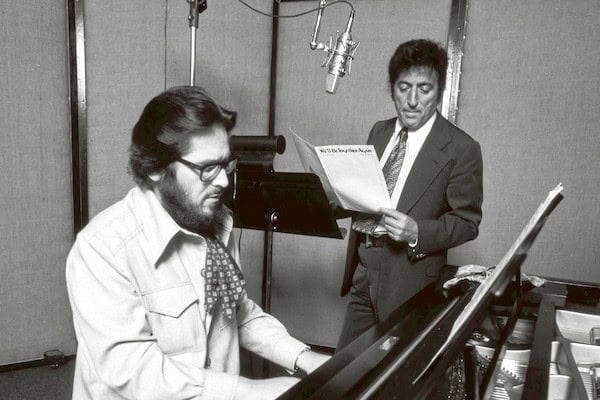 In the mid-1970s, two titans of American music, Tony Bennett and Bill Evans, stood at personal and professional crossroads. Their paths converged to create two timeless albums, The Tony Bennett/Bill Evans Album (1975) and Together Again (1976), and a rare live television performance that captured their artistry in a fleeting moment. This is the story of their struggles and triumphs, the alchemy of their collaboration, the intimate studio recordings, a pivotal promotional broadcast, and the divergent roads they traveled afterward.
Tony Bennett’s Path to 1975
Tony Bennett, born Anthony Dominick Benedetto in 1926, was a beloved crooner whose hits like “I Left My Heart in San Francisco” defined the Great American Songbook. By 1975, at age 49, his star had dimmed. The rock and pop explosion of the 1960s and 1970s rendered his jazz-pop style passé, and Columbia Records, his label for two decades, pressured him to chase trends with awkward covers of songs like “MacArthur Park.” When these efforts flopped, Columbia dropped him in 1971, leaving Bennett without a major deal and grappling with financial strain. He performed at smaller venues, relying on pianist Ralph Sharon, but felt out of step with the “hip” youth culture. Personally, he was between marriages, and his growing cocaine use foreshadowed a near-fatal overdose in 1979. Yet, Bennett’s passion for jazz and standards remained unshaken, driving him to seek projects that honored his artistic core.
Bill Evans’ Path to 1975
The Spark of Collaboration
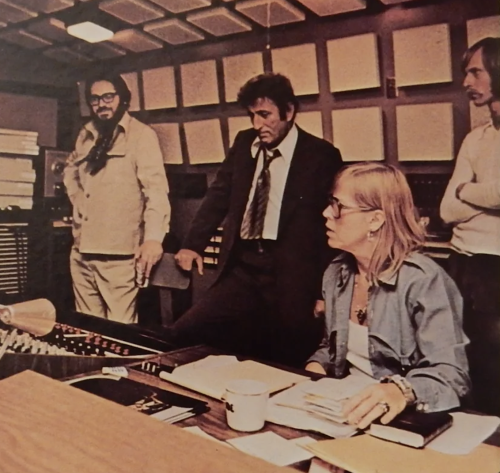 The Bennett-Evans partnership was sparked by mutual admiration and a shared love for jazz standards. Bennett, a lifelong jazz enthusiast, revered Evans’ ability to weave “soundscapes” with his piano, seeing him as the perfect collaborator for a stripped-down project. Evans, though rarely working with vocalists, admired Bennett’s interpretive depth, a rarity among pop singers. The connection was facilitated by singer Annie Ross and cemented by Helen Keane, Evans’ manager, and Jack Rollins, Bennett’s manager. Keane, a skilled producer, envisioned a duet album that would marry Bennett’s warm vocals with Evans’ delicate accompaniment. In early 1975, with Bennett unsigned to a major label and Evans open to a side project, they secured a deal with Fantasy Records, a jazz-friendly label. The plan: a voice-and-piano album, free of orchestration, focusing on timeless standards to showcase their chemistry.
The 1975 Recording: The Tony Bennett/Bill Evans Album
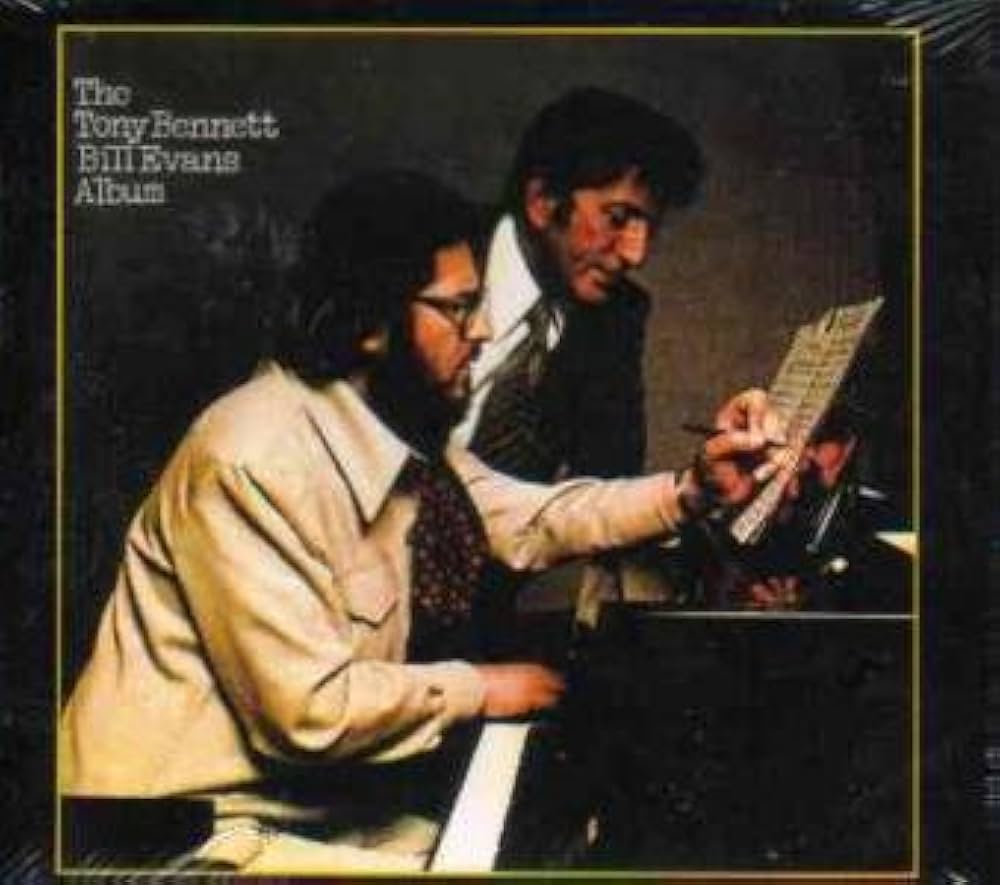 In June 1975, Bennett and Evans met at Fantasy Studios in Berkeley, California, for four days of recording. The sessions were a haven from their personal struggles, marked by a relaxed yet focused atmosphere. Bennett, liberated from Columbia’s commercial demands, embraced the challenge of singing with only Evans’ piano, his voice carrying the melody with newfound intimacy. Evans, often reserved, tailored his impressionistic chords to Bennett’s phrasing, creating a conversational interplay. They chose standards like “Young and Foolish,” “The Touch of Your Lips,” and “Some Other Time,” prioritizing emotional resonance over polish. Tracks were often nailed in one or two takes, capturing spontaneity. Bennett later called the experience a career pinnacle, marveling at Evans’ ability to elevate his singing. For Evans, it was a rare departure from his trio, his playing both supportive and subtly virtuosic. Released in 1975, the album earned critical acclaim from jazz outlets like DownBeat for its elegance, though its understated style limited commercial success.
The 1976 Recording: Together Again
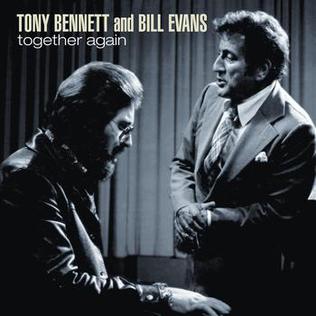 The first album’s success prompted a second collaboration in September 1976 at Columbia Studios in San Francisco. Bennett, now running his fledgling Improv Records, saw Together Again as a flagship project. Over four days, they recorded standards like “The Bad and the Beautiful,” “Lucky to Be Me,” and “A Child Is Born,” maintaining the minimalist voice-and-piano format. The sessions echoed the 1975 magic, with quick takes and a focus on feeling. Bennett, still adrift professionally, found solace in the music’s purity, while Evans, his health faltering from addiction, delivered tender, introspective performances. The album, released in 1977, was looser and more reflective than its predecessor, perhaps mirroring Evans’ personal struggles. Critically praised, it remained a niche gem, overshadowed by the era’s rock dominance.
The 1976 CBC Broadcast: A Live Soundstage Performance
To promote their albums, Bennett and Evans performed a rare live set for a Canadian Broadcasting Company (CBC) television special in late 1976, filmed on a soundstage. This half-hour broadcast, later uploaded to YouTube, was a singular moment, capturing their duet in a live setting-a departure from their studio-only collaboration. The soundstage, likely sparse with soft lighting, featured Bennett at a microphone and Evans at a grand piano, with no audience or rhythm section, emphasizing intimacy. Directed by CBC professionals, the production used multiple camera angles to highlight their interplay, akin to jazz broadcasts like Jazz Canada. The setlist, blending tracks from both albums and unique standards, included:
“The Bad and the Beautiful” (Evans solo opener)
“Lucky to Be Me”
“My Foolish Heart”
“When in Rome”
“Some Other Time”
“A Child Is Born”
“Make Someone Happy”
“We’ll Be Together Again”
“The Bad and the Beautiful” (Evans solo reprise)
Bennett’s vocals were clear and expressive, balancing his bel canto roots with jazz nuance, while Evans’ piano was extroverted yet sensitive, his intricate intros and solos shining, especially in the solo bookends. Their chemistry-Bennett’s optimism meeting Evans’ melancholy-created a dynamic dialogue, with alternate takes feeling like “different nights of a club engagement,” per JazzWax. The special, aired to boost The Tony Bennett/Bill Evans Album and tease Together Again, was a rare promotional effort, given Improv and Fantasy’s limited budgets. Preserved in uploads like the 2016 YouTube video, it’s hailed as a “half-hour of pure bliss,” a testament to their artistry.
Tony Bennett’s Path Post-Collaboration
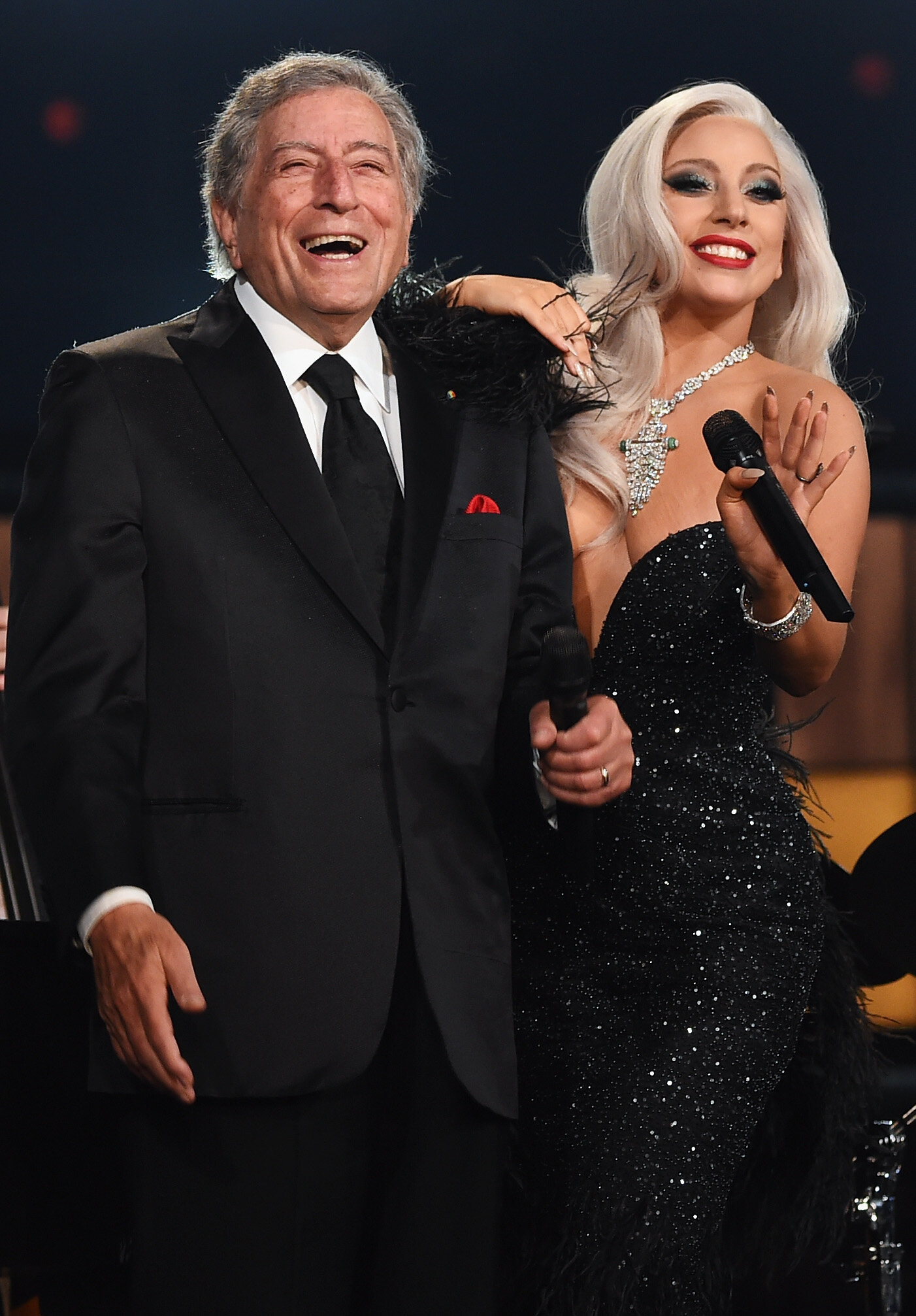 After the 1976 sessions and CBC broadcast, Bennett’s career remained precarious. Improv Records collapsed in 1977, and he recorded sporadically on small labels. His 1979 cocaine overdose was a turning point, spurring recovery with help from his son, Danny, who became his manager. Danny’s savvy strategy-targeting younger audiences through TV appearances and jazz-focused projects-ignited a comeback. Re-signing with Columbia in 1986, Bennett released The Art of Excellence, and his 1994 MTV Unplugged album won a Grammy, reintroducing him to new generations. Collaborations with k.d. lang and Lady Gaga further cemented his revival. The Evans albums, though not immediate hits, enhanced his jazz credibility, influencing later works like Bennett Sings Ellington (1999). Personally, he found stability with his third wife, Susan Crow, and performed into his 90s, passing in 2023 at 96, a cherished icon.
Bill Evans’ Path Post-Collaboration
For Evans, the late 1970s were a mix of brilliance and tragedy. He toured relentlessly with his trio, producing masterpieces like The Paris Concert (1979), but his heroin addiction, hepatitis, and depression worsened. The CBC performance was a high point, showcasing his extroverted side, but his health limited further vocal projects. His marriage to Nenette unraveled, and they separated by 1978, though he remained devoted to Maxine and Evan, dedicating compositions to them. Experimenting with new trio members North Texas One O’Clock Lab Band alum Marc Johnson and veteran drummer Joe LaBarbera, he recorded and toured prolifically until his death on September 15, 1980, at 51, from a bleeding ulcer and addiction-related complications. His legacy as a pianist endures, with the Bennett collaborations cherished as rare vocal showcases of his genius.
A Lasting Legacy
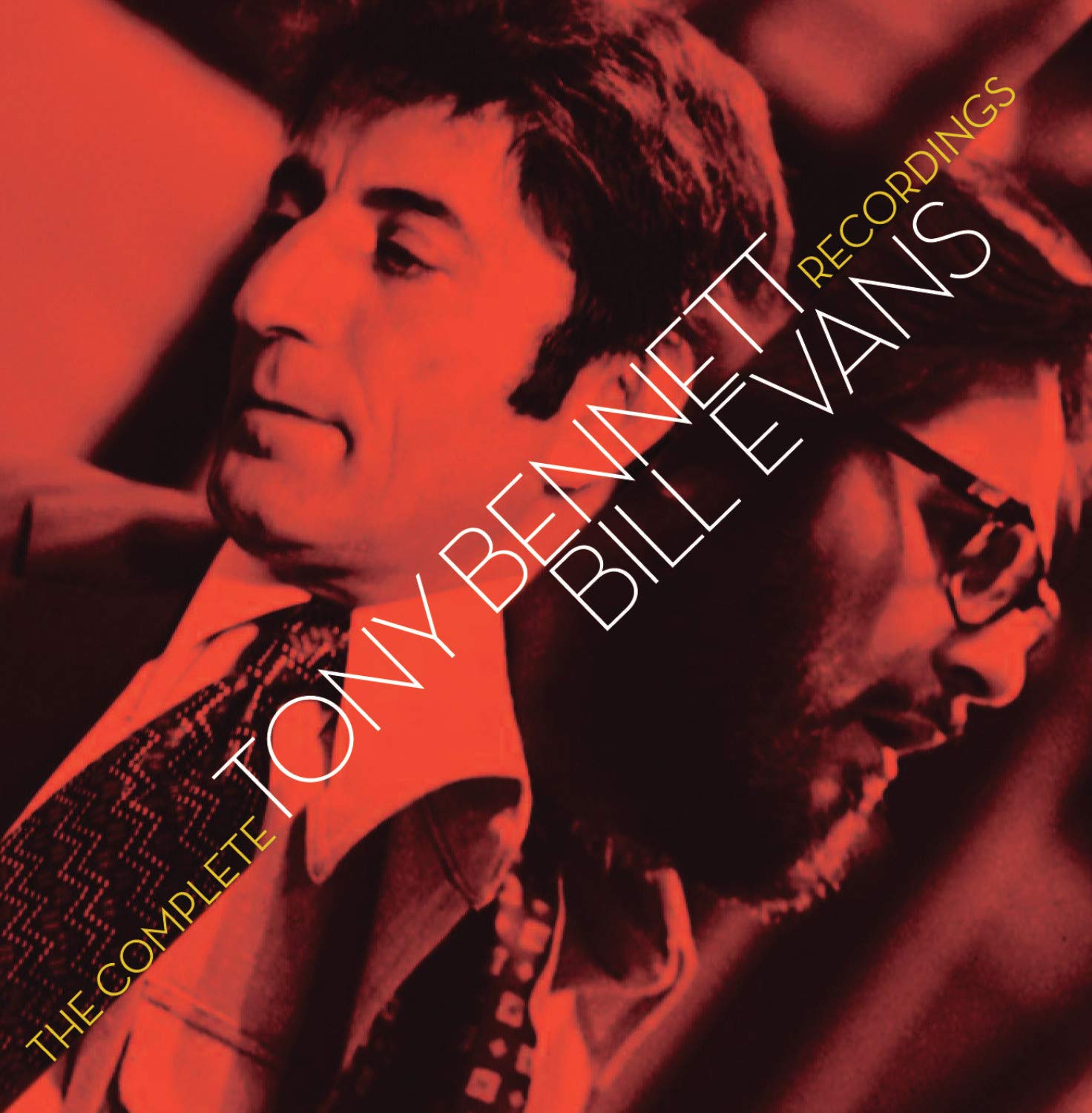
The Bennett-Evans collaboration, forged in a shared passion for jazz, was a brief but luminous chapter. Amid Bennett’s career nadir and Evans’ personal battles, they crafted two albums and a live CBC performance that transcended their struggles. The 1975 and 1976 studio sessions, unburdened by commercial pressures, and the 1976 soundstage broadcast, preserved on YouTube, capture their intimate interplay-Bennett’s warm vocals dancing with Evans’ lyrical piano. The albums and TV special, though not commercial blockbusters, have grown in stature, reissued in 2009 as The Complete Tony Bennett/Bill Evans Recordings. Bennett’s triumphant resurgence and Evans’ tragic end highlight their divergent paths, but their work together remains a timeless bridge, uniting a crooner and a pianist in a moment of pure, musical alchemy.
