
The Goliad Massacre and the Battle of Coleto Creek, 190 Years On
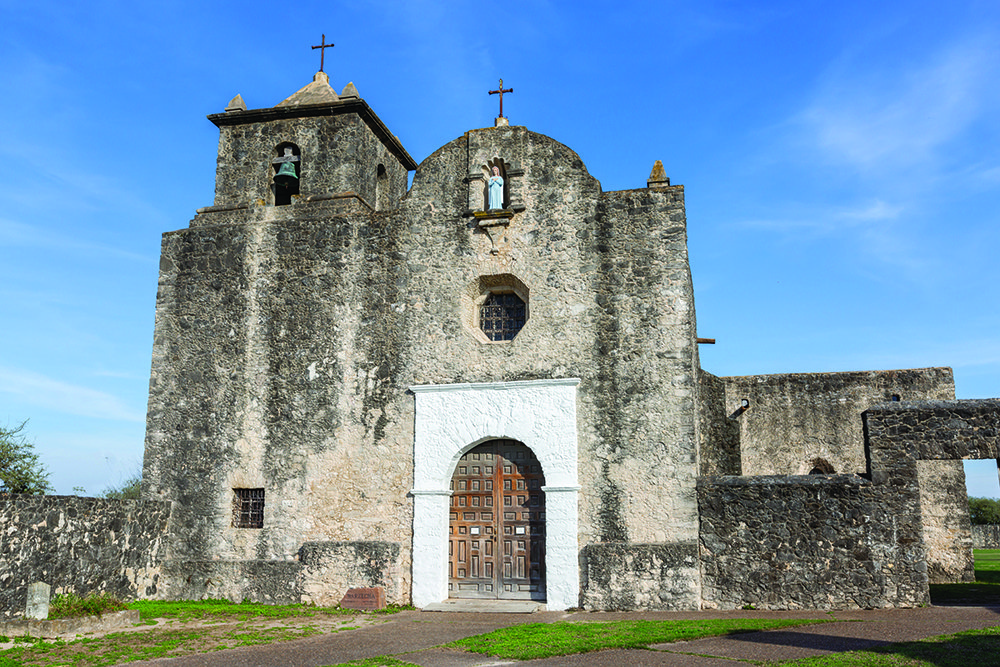
Imagine the cold gray dawn of Palm Sunday, March 27, 1836. Nearly 400 Texian prisoners—many still nursing wounds from battle—marched out of Presidio La Bahía in three columns, believing they were being paroled, exchanged, or sent home. The air was crisp, the grass wet with dew. Then, a half-mile from the fort, the guards halted. Commands rang out in Spanish. Muskets rose. In an instant, the prairie erupted in gunfire, smoke, and screams.
This is the story of the Goliad Massacre — the darkest chapter of the Texas Revolution, where more men died than at the Alamo. It followed the hard-fought Battle of Coleto Creek and shattered any illusion of mercy from Santa Anna’s regime. Told through the eyes of those who marched, those who guarded, and those who pleaded for mercy, it is a tale of betrayal, courage, and the spark that helped forge Texas resolve.
The Road to Coleto: Fannin’s Dilemma
Colonel James Walker Fannin commanded roughly 400 men at Goliad’s Fort Defiance (Presidio La Bahía). After the fall of the Alamo on March 6, orders from Sam Houston were clear: retreat and join the main army. But Fannin delayed. He waited for stragglers, including men from the Battle of Refugio, and wrestled with indecision.
On March 19, Fannin finally began the retreat toward Victoria. His column — slow, burdened with artillery, wounded, and supplies — was intercepted on the open prairie near Coleto Creek by General José de Urrea’s superior Mexican force. The Texians formed a defensive square with cannons at the corners and fought valiantly for two days. Despite being outnumbered and low on water and ammunition, they inflicted heavy casualties.
By March 20, surrounded and facing annihilation, Fannin and his officers voted to surrender. Urrea accepted under terms that suggested the men would be treated as prisoners of war and possibly paroled. The Texians marched back to Goliad as captives, unaware that Santa Anna had decreed all armed foreigners in Texas were to be treated as pirates — subject to execution.
Palm Sunday Dawn: The March to Death
At sunrise on March 27 — Palm Sunday — the prisoners were divided into three columns and marched out under heavy guard. Many believed they were heading to the coast for transport home or to a new prison. Fannin, still wounded from Coleto, was carried in a cart.
A mile from the presidio, the columns were halted. Without warning, the Mexican guards opened fire at close range. Those not killed instantly were pursued and finished with bayonets and lances. The shooting was methodical and merciless. Some men broke for the nearby timber or river and escaped; most did not.
Inside the presidio, the wounded who could not march — about forty men — were shot one by one in the courtyard. Colonel Fannin was the last to die. He requested his possessions be sent to his family, to be shot in the heart rather than the face, and a Christian burial. Instead, he was shot in the face, and his body burned with the others on pyres.
Approximately 342 Texians were executed that day. The bodies were piled, doused with oil, and set ablaze — left unburied for weeks.
The Angel of Goliad: A Light in the Darkness
Amid the horror, one figure shone with humanity: Francita (Francisca) Alavez, known to history as the “Angel of Goliad.” The wife of a Mexican officer, she pleaded with authorities, hid men the night before the massacre, and intervened to spare doctors, mechanics, and others deemed useful. Thanks to her compassion — and the intervention of officers like Colonel Francisco Garay — roughly 20 to 28 men survived.
Her acts of mercy saved lives when official orders demanded none. Survivors later spoke of her with reverence, calling her a second Pocahontas who poured oil on wounds and risked her own safety.
Aftermath: From Massacre to Rallying Cry
News of Goliad spread like wildfire across Texas, joining “Remember the Alamo!” as a cry of vengeance. The massacre unified Texians and outraged volunteers pouring in from the United States. It stripped away any hope of negotiated peace and hardened resolve: there would be no mercy asked, and none given, until Santa Anna was defeated.
General Urrea had recommended clemency, but Santa Anna’s iron will prevailed. The order was carried out reluctantly by Colonel José Nicolás de la Portilla.
This week, on the 190th anniversary, Presidio La Bahía hosts living history programs, reenactments, and solemn remembrances. The site where blood once stained the ground now stands as a powerful reminder of sacrifice and the high cost of liberty.
Echoing Today: “Remember Goliad!”
The men at Goliad did not die in vain. Their blood, like that spilled at the Alamo, bought critical time for Sam Houston to organize his army. It fueled the fury that would explode weeks later at San Jacinto with the shout: “Remember the Alamo! Remember Goliad!”
As we mark 190 years, we remember not only the tragedy but the courage — of those who fought at Coleto, those who faced the firing squads with dignity, and the lone Angel who defied orders to save whom she could.
Next in our series: The Runaway Scrape — the desperate eastward flight of Texas families as Santa Anna’s army advanced. Until then, on this solemn Palm Sunday anniversary: Remember Goliad.
