
The Enduring Warmth of Christmas Ghost Storytelling
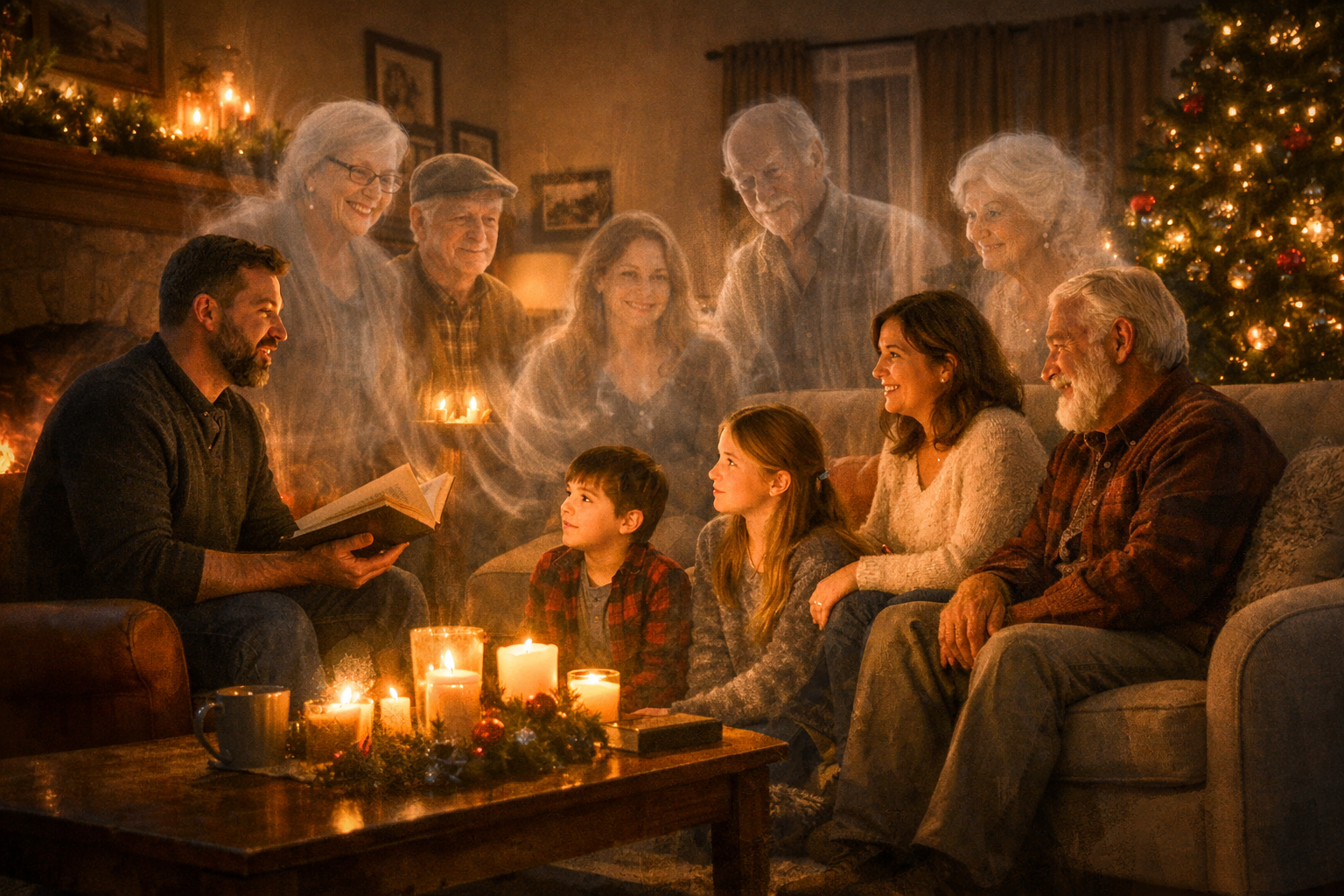
On a quiet winter’s evening, long before the bright lights and cheerful gatherings we cherish today, the longest nights of the year drew families close around the hearth. In the heart of Victorian England, where snow fell softly over cobblestone streets, loved ones gathered on Christmas Eve in rooms aglow with candlelight. The air held a gentle thrill-not only for gifts and feasts, but for the beloved ritual of sharing tales by the fire. Rooted in ancient solstice customs that spoke of the veil thinning between worlds, this tradition blended sacred joy with a thoughtful reflection on memory and redemption. In the flickering glow, stories of visiting spirits and heartfelt change unfolded, reminding everyone that even in the deepest midwinter, light and love are never far away.
Charles Dickens and His Guiding Light
At the center of this cherished custom stood Charles Dickens, whose 1843 novella, A Christmas Carol, illuminated the season like no other. Subtitled A Ghost Story of Christmas, it followed Ebenezer Scrooge’s transformative night: guided by the familiar spirit of Jacob Marley and three wise visitors who gently led him through memories of lost joys, present kindnesses, and hopeful tomorrows. Amid the quiet wonder, Dickens offered renewal and warmth-a festive journey that mirrored the era’s blend of gentle mystery and boundless charity. The tale touched countless hearts, drawing families closer and inspiring acts of generosity that became as much a part of Christmas as the hearth itself.
Dickens continued to share other touching yuletide stories, like The Chimes (1844), where bell spirits bring visions of hope to a humble soul; The Haunted Man and the Ghost’s Bargain (1848), teaching the gift of embracing both joy and sorrow; and the joyful The Story of the Goblins Who Stole a Sexton (from 1836’s The Pickwick Papers), where playful beings help a stern man rediscover Christmas cheer.
Victorian Shadows Softening into European Memory
Beyond Dickens, Victorian firesides welcomed contributions from kindred spirits like M.R. James, whose thoughtful tales were shared with affection at holiday gatherings, and writers such as Elizabeth Gaskell and Wilkie Collins, whose seasonal stories carried lessons of compassion wrapped in quiet wonder.
These British customs grew from deeper European roots, where families had long gathered to share stories of watchful guardians, ancient mysteries like the Wild Hunt, and tender spirits-tales that echoed the timeless truth that love bridges every season, drawing hearts nearer when nights are longest.
Shadows Giving Way to Gentle Light in North America
As these traditions crossed the Atlantic to North America, the deeper shadows of old-world winters gradually softened into a warmer, more sentimental glow. Early settlers had once kept celebrations simple, yet the heartfelt spirit of gathering endured and blossomed in welcoming homes across the continent. In Appalachian hollows, families shared loving memories and gentle tales by the fire during “Old Christmas.” French-Canadian veillées filled homes with stories of faith and wonder. Indigenous nations honored sacred winter narratives of connection and enduring bonds. In southwestern regions touched by Mexican heritage, remembrance and light intertwined beautifully with the season’s joy. Here, the once-eerie whispers of European midwinter transformed into a tender celebration of togetherness, where stories leaned toward hope, family, and the quiet assurance that loved ones-past and present-are gathered close in spirit.
Transformation and Legacy: Stories Flowing into Song
As time passed, this evolving warmth flowed naturally from spoken tales into melody. In Christmas Eve circles on both sides of the ocean, stories and carols were shared side by side, each bringing comfort against the winter night.
Dickens himself wove music through his narratives-Fezziwig’s merry dances, the Cratchits’ grateful songs-showing how stories and music dance together. Caroling, rooted in ancient wassailing and songs of blessing, grew ever dearer, spreading light from home to home.
As the Gothic shadows of older tales gently receded, their heartfelt essence poured into Christmas music-narrative carols like “Good King Wenceslas,” sharing a compassionate journey through snow, or “The Holly and the Ivy,” blending ancient symbols with renewed hope.
In the 20th century, this legacy shone warmly in songs like Andy Williams’ 1963 “It’s the Most Wonderful Time of the Year,” fondly recalling “scary ghost stories” alongside caroling and mistletoe-a gentle nod to the past preserved in melody. Today’s Christmas music, from bright jingles to tender ballads like “Coventry Carol,” carries that same loving spirit: gathering families across generations, honoring cherished memories, and filling every heart with the soft glow of midwinter light.
Epilogue
What began in the thoughtful shadows of ancient winters grew through kind words and shared fires into stories of connection, then sang out across oceans in carols of hope-reminding us that love, like candlelight on Christmas Eve, reaches gently across time to warm every gathered heart.
Coca Cola captured this spirit perfectly with their 2022 spot “The Holidays Always Find a Away”. This was the year after my mother died and this soothed. Still does. Merry Christmas.
