
Why US Control of Greenland Will Save NATO from Europe’s Own Weakness
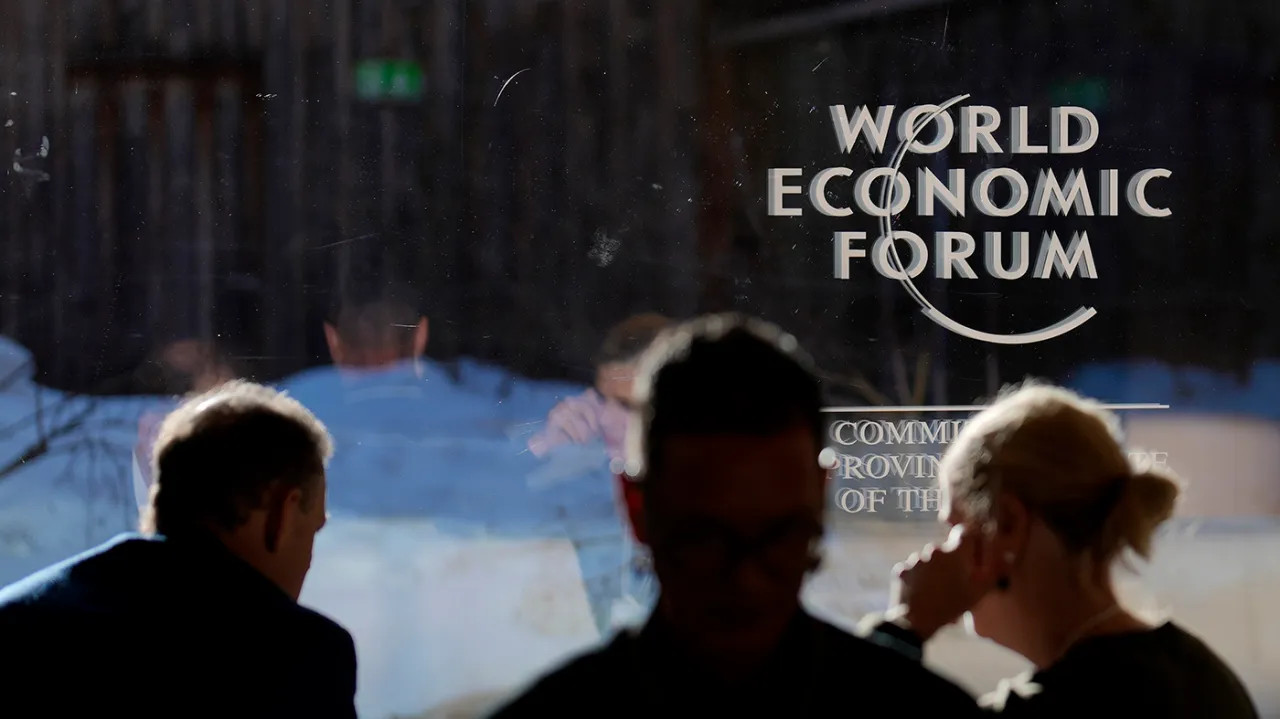
As the World Economic Forum opens in Davos, the transatlantic conversation is not about climate models or AI ethics. It is about Greenland. President Trump has escalated tariffs on eight NATO allies-Denmark, Germany, France, the UK, Netherlands, Norway, Sweden, and Finland-unless a path opens to American control of the world’s largest island. Treasury Secretary Scott Bessent has made the position crystal clear on the sidelines: the United States will not back down, because Europe projects weakness while America projects strength.
As I have said repeatedly on X and in my columns at jameskay.online-most recently in “Trump’s Greenland Gambit”-we’re making them an offer they can’t refuse. Not out of malice, but necessity. The world is too dangerous for the illusion of comfortable indifference.
Conventional wisdom insists this is the end of NATO. European commissioners warn of irreparable damage. Mainstream outlets predict fracture. Yet the reality is the opposite: Europe’s chronic weakness is the alliance’s true vulnerability. Decisive American action on Greenland is the shock therapy that can save NATO from itself.
Europe’s Weakness – The Real Vulnerability
For decades, most NATO members have treated defense as an optional American subsidy. The 2% GDP spending target remains a suggestion rather than a requirement for the majority. The Arctic, despite Russia’s reopened Cold War bases and China’s Polar Silk Road ambitions, has been a strategic afterthought.
When Trump turned up the pressure, the response was revealingly reactive. Danish reinforcements, German troops, British and Dutch exercises-all arrived only after tariff threats became credible. The deployments are a show of solidarity, but they are also an admission: without Washington’s coercion, Europe would have continued to dither.
The fractures are institutional as well as military. During a summit with Slovakia’s Robert Fico, Hungary’s Viktor Orbán blocked a proposed joint EU statement condemning the United States. Orbán’s reasoning was blunt: this is a bilateral matter between Denmark and the U.S., not an issue for the European Union. The veto prevents a unified condemnation and forces Copenhagen to negotiate alone. It is the latest proof that Brussels cannot speak with one voice on core security questions.
The GIUK Gap-Greenland-Iceland-UK chokepoint-remains the Atlantic’s most critical artery. Greenland sits astride it. Europe’s underinvestment leaves that artery exposed.
Pituffik Space Base (formerly Thule), the existing U.S. foothold, already provides missile warning and space surveillance. But full or dominant control eliminates veto risks from hesitant partners.
The Paradox – Acquisition as NATO’s Salvation
The paradox is stark: adversaries cheer the status quo of European weakness because it leaves NATO exposed; decisive U.S. action closes those exposures and forces the alliance to become stronger.
Russia’s reaction is the clincher. The Kremlin is gleeful. Kirill Dmitriev, Putin’s special envoy in Davos, posted that the “collapse of the transatlantic union” is worth discussing. Dmitry Medvedev mocked Europe’s “poverty” with a taunt: Make America Great Again equals Make Europe Poor Again. Kremlin spokesman Dmitry Peskov noted that if Trump succeeds, he will “go down in history.” State media portray the crisis as the potential end of NATO itself.
Moscow’s delight is not abstract. It stems from the belief that transatlantic division weakens coordinated Western pressure on Ukraine and creates openings in the Arctic. Yet beneath the schadenfreude lies concern: a hardened U.S. position at Pituffik, backed by unambiguous control, would block Russian and Chinese encroachment in the high north.
U.S. acquisition-whether through outright purchase, an enhanced lease, or the Compact of Free Association model I outlined in earlier columns-secures the asset decisively. It removes points of leverage for adversaries, closes the Arctic blind spot, and delivers the wake-up call Europe needs. Tariffs may be ugly, but they have already prompted higher spending pledges in the past and are doing so again. A more self-reliant Europe investing seriously in Arctic operations and burden-sharing would make NATO more durable, not less.
Sovereignty objections are legitimate. But in great-power competition, realism trumps idealism. NATO has survived Suez, Iraq, and Libya. It will survive this if the United States leads and Europe finally steps up.
Realism Over Illusion
In a world where Russia mocks the transatlantic rift while militarizing the high north, comfortable indifference is no longer an option. Greenland will be secured-one way or another. Better through an offer Europe cannot refuse, strengthening the alliance, than left exposed to the very foes who cheer its weakness.
The wake-up call has arrived. Europe should answer it.
