
Reclaiming the Caribbean: The Cuban Cascade
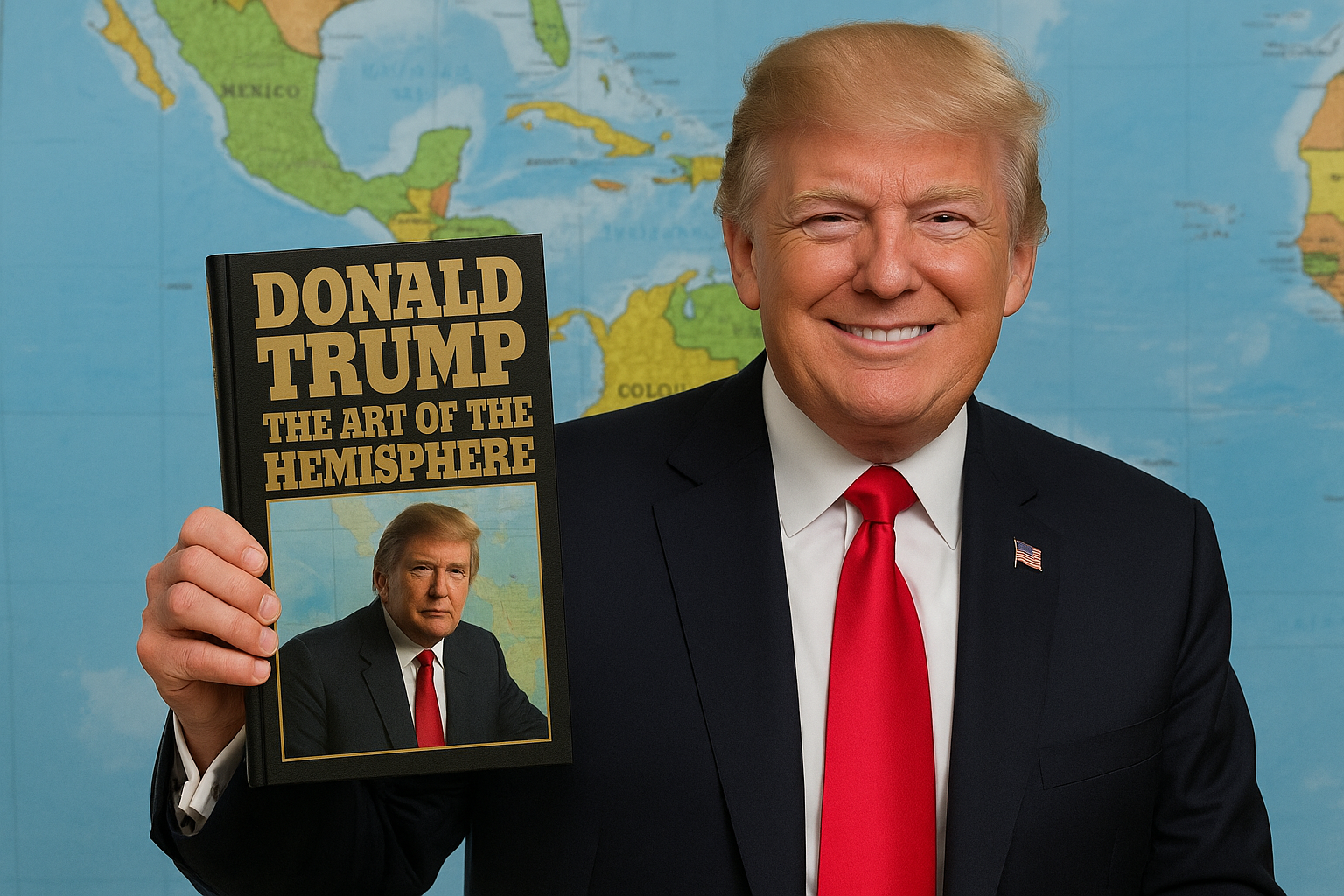
Three weeks after detailing how Trump’s pardon of Juan Orlando Hernández turned Honduras into a strategic ally and intensified pressure on Nicolás Maduro, and just a day after Part II outlined the escalating actions of Operation Southern Spear—targeting strikes, seizures, and a shadow-fleet blockade—the Wall Street Journal delivers a stark report: Cuba on the edge of economic collapse, driven by the same Venezuelan oil restrictions. This development underscores the broader implications of Trump’s strategy, not as unintended fallout, but as a deliberate ripple effect designed to dismantle the Havana-Caracas alliance and compel both regimes toward negotiation.
Leverage in the Caribbean: Disrupting a Long-Standing Symbiosis
The Journal’s December 21 account depicts Havana in dire straits: Accumulating garbage fostering outbreaks of dengue and chikungunya, prolonged blackouts of 18 hours or more leaving residents without relief from the heat, and an exodus of 2.7 million people—roughly a quarter of the population, predominantly the young and skilled—since 2020. The economy has shrunk 15% since 2018, with cumulative inflation nearing 450% and the peso at 450 to the dollar on the black market, up from 30 in 2020. Nearly 90% live in extreme poverty, 70% skip meals daily. This surpasses the hardships of the post-Soviet “Special Period” in the 1990s, according to analysts like Ted Henken and Ricardo Torres Pérez. At the core is Venezuela’s subsidized oil, now reduced to 30,000 barrels a day from Chávez’s peak of 100,000, supplying 40% of Cuba’s imports for power and transport. Sever that supply, and as Jorge Piñón of UT-Austin warns, “It would be the collapse of the Cuban economy, no question about it.”
Trump’s “partial blockade,” focusing on sanctioned tankers that transport 70% of Maduro’s crude, is no mere enforcement tactic—despite Cuban President Miguel Díaz-Canel’s pointed comparison to historical pirates like Drake and Morgan. It methodically severs the Chávez-era exchange: Cuba provides doctors, trainers, and intelligence operatives to bolster Maduro—rooting out dissent, restricting devices around him, suppressing unrest—while Venezuela delivers discounted oil to sustain Cuba’s grid. Recent U.S. actions, including the seizure of a two-million-barrel tanker and the Coast Guard’s pursuit of the sanctioned Bella 1, are halting these flows. Maduro’s elusive ghost fleet is under siege, and the symbiosis that Chávez called a “sea of happiness” is proving to be a shared vulnerability.
Safeguarding Interests: A Crisis Rooted in Systemic Failures
Voices from the left may decry the humanitarian toll—children absent from school, intermittent water supplies hindering basic hygiene, diseases rampant amid uncollected waste. The Journal cites exiles like Luis Robles: “No food, no medicines, no functioning hospitals—it’s all a disaster.” Demographer Juan Carlos Albizu-Campos terms it “demographic hollowing out,” comparable to conflict zones. Yet this predicament long precedes the blockade, stemming from communism’s inherent inefficiencies: Resistance to expanding the private sector, state wages amounting to mere dollars monthly, and an already fragile infrastructure. Trump’s approach doesn’t create these flaws; it exposes them, hastening a reckoning.
Politically, the risks at home remain low. American voters prioritize border security and drug interdiction over distant hardships. For Trump’s allies, including libertarian visionaries, this edges closer to opportunities like charter cities on Cuban soil post-regime shift. The base views it as assertive leadership: Blocking footholds for Russia and China, securing energy resources without direct intervention. Even the Journal’s editorial pages today note that these tanker operations are “asserting U.S. influence effectively,” a contrast to prior administrations’ hesitation.
Extending the Golden Bridge: From Pressure to Resolution
The true craft lies in Trump’s preference for deals over outright conflict. As explored in prior installments, the Hernández pardon demonstrated a willingness to offer safe exits—exile in secure havens, asset releases via crypto, immunity for key figures—in return for concessions like fair elections, favorable Orinoco oil shares, and the closure of adversarial bases. For Maduro, the path is clear; with Cuba’s downturn amplifying the strain, it now extends to Díaz-Canel: Embrace economic reforms, invite private investment, and unlock aid. Persist, and the outages become chronic, as the Journal’s sources indicate.
Real-time developments reinforce this trajectory: The Bella 1 chase, diplomatic shifts with ambassador recalls, and the conservative tide across Latin America, while Cuba’s migration wave signals desperation. Trump is applying calibrated force, one interception at a time, to fracture the axis.
This embodies the Trump Corollary to the Monroe Doctrine: Reassert hemispheric dominance, exclude rivals, foster aligned prosperity. The Cuban cascade isn’t mere misfortune—it’s a pivotal step toward resolution. In Mar-a-Lago’s strategic calculus, it’s clear: To master a continent, one must sometimes navigate its islands with precision.
