
Thank You, Dolly
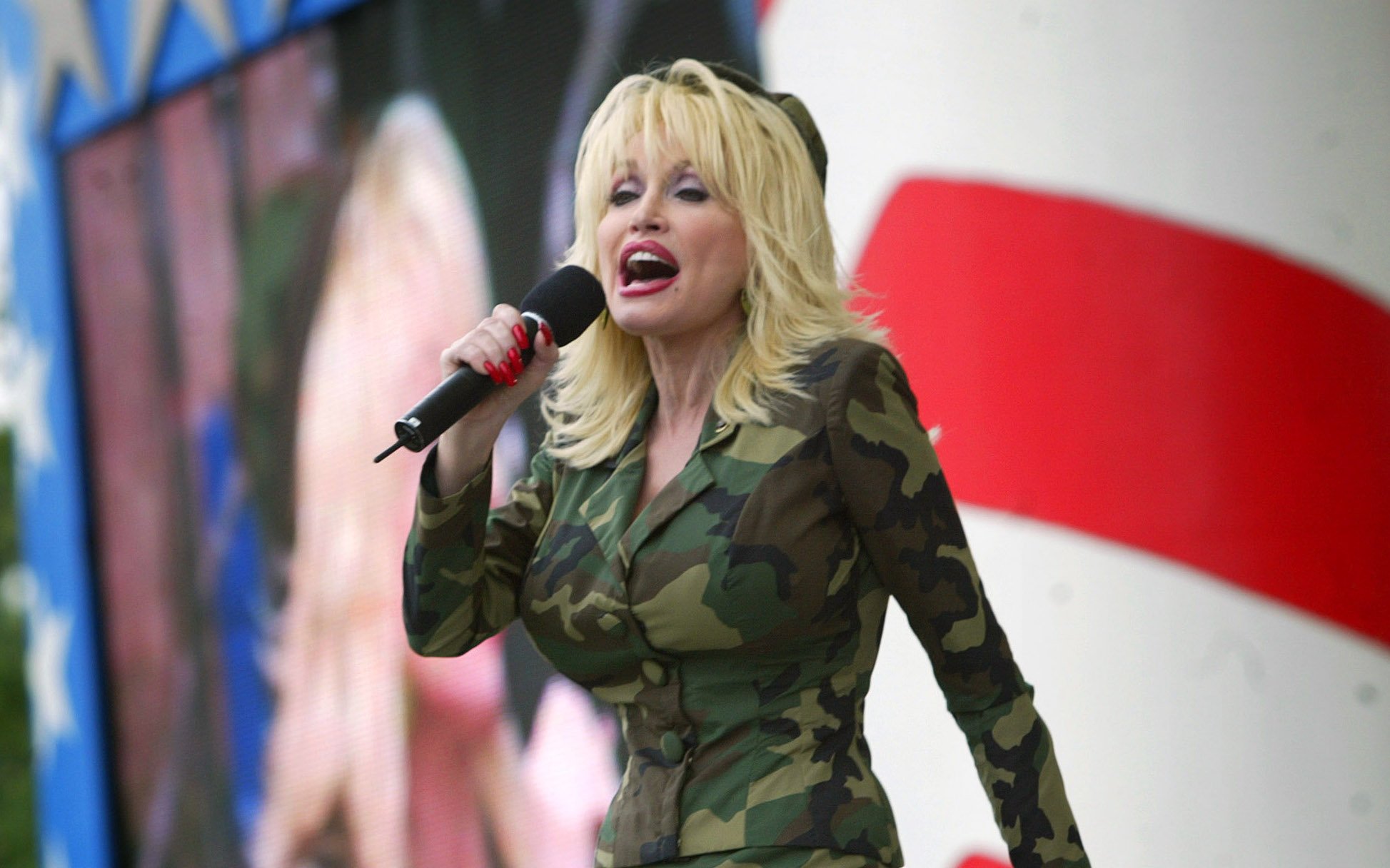
Dolly Parton always seemed like a beloved aunt to me growing up.
That is the odd miracle of her life. A girl from a cabin in the Tennessee hills, so poor her father paid the doctor who delivered her with a sack of cornmeal, became someone the whole country claimed as kin. Singers, presidents, ballplayers, rock stars, and people who never bought a country record all said the same thing when she left us: there will never be another.
The Opry Girl
She was a teenager when she walked onto the Grand Ole Opry stage. Johnny Cash introduced a little girl from East Tennessee. She smiled up at the balcony, sang, and the room called her back for three encores. The dream she had practiced on a front porch with a tobacco stick for a microphone had already found the Mother Church.
Porter Wagoner and a Goodbye Song
Porter Wagoner gave her the national break on his variety show. She stayed longer than she had promised because the partnership worked. Then she knew it was time to go. He did not want to hear it, so she did the thing she did best. She went home and wrote the goodbye he would have to understand. That song was “I Will Always Love You.” It was not a romance. It was gratitude with a suitcase. He cried, called it the best thing she had ever written, and let her walk. The same gift that freed her later circled the world in another woman’s voice. That is how honest work travels.
Duets
She was also one of the great duet partners in American music. With Emmylou Harris and Linda Ronstadt she made Trio, three voices that did not compete so much as complete one another. With Kenny Rogers she made “Islands in the Stream,” a song so easy and joyful it still fills a room the second the first line starts. Those records were not side projects. They were Dolly doing what she always did: making other people sound like the best version of themselves, and sounding like herself the whole time.
The Shine Under the Rhinestones
She could write a song that outlived her. She could cover “Stairway to Heaven” and make it hers. She could fill a stadium and still stop to greet the person standing in front of her. The rhinestones were the costume. The real shine was humility, humor, and a heart that did not keep score.
Hollywood
Hollywood found out the same thing Nashville already knew. In 9 to 5 she held the screen with Jane Fonda and Lily Tomlin and wrote the anthem while she was at it. In Steel Magnolias she was Truvy, the beauty-shop wisdom of the South, right at home among women who laugh and break and keep going. She was not slumming in the movies. She was acting the way she sang: plain, funny, and true.
If She Was Going to Be In It
Even the honors had to be honest. When the Rock & Roll Hall of Fame came calling, she respectfully declined. She did not think she had earned a place that belonged to people who had lived their lives in rock. When she finally accepted, she did not treat it as a compliment to pocket. She made a rock album with the rock and metal world: Halford, Sixx, Joan Jett, the Beatles who were left, and tried to deserve the room she had been walked into. If she was going to be in it, she was going to be about it.
What She Left Us
She gave us “Jolene” and “Coat of Many Colors” and “I Will Always Love You.” She also put hundreds of millions of books into the hands of children who had never met her. She loved this country, loved veterans, loved a good joke at her own expense, and somehow left the world kinder than she found it.
So many loved her. We will miss you, Dolly. Thank you for the joy.
#RIPDollyParton
