
How the Radicals Are Devouring the Democrat Party
The images from the last week tell the story better than any poll or press release. On one side, Hakeem Jeffries beams as he congratulates the new DSA-backed members of New York’s congressional delegation, calling them public servants, union organizers, and community activists, as if they’re simply Democrats who took a different path. On the other side, the same radical energy that carried those candidates to victory turns inward almost immediately. Crowds chant “You’re next” at Jeffries himself. In San Francisco, longtime progressive stalwart Scott Wiener is surrounded, harassed, and physically intimidated at a trans march. His crime? Insufficient radicalism on Israel and Gaza.
Scott Wiener showed up to the trans march and for the first time we kicked his ass out. It's sad because while he's written some good legislation for queers, hes ultimately a genocidal-supporting center right shill. Trigger warning: broken man walking away defeated. Vote Connie! pic.twitter.com/TXIB7omxde
— Dimitry Yakoushkin (@decadimitry) June 27, 2026
This is not an anomaly. This is pattern. It is the recurring logic of leftist revolutionary movements once they gain real traction inside established institutions.
David Burge described it perfectly more than a decade ago:
1. Identify a respected institution.
2. kill it.
3. gut it.
4. wear its carcass as a skin suit, while demanding respect.#lefties— David Burge (@iowahawkblog) November 10, 2015
The Democrat Party is currently being gutted and used as a skin suit, and the radicals inside it are making the fit increasingly obvious.
The Pattern of History
The pattern is as old as the French Revolution. The Jacobins who guillotined the aristocracy and moderate Girondins eventually turned on Robespierre and each other when the purity tests became unsustainable. The Thermidorian Reaction that followed wasn’t a rejection of radicalism so much as the revolution devouring its own children to survive its excesses.
The Bolsheviks followed the same script. They harnessed broader socialist energy to seize power in 1917, then purged the Mensheviks and other former allies. Once in full control, the show trials, gulags, and Stalin’s liquidation of the Old Bolsheviks made the new oppression far more efficient than the old.
In Nazi Germany, the SA Brownshirts supplied the street violence that helped Hitler rise. Useful muscle against the old order until they weren’t. The Night of the Long Knives in 1934 settled it: Ernst Röhm and hundreds of SA leaders were executed so the more disciplined SS could take over.
Mao’s Cultural Revolution may be the clearest parallel. In 1966, he unleashed the Red Guards — radical youth drunk on ideological fervor — to attack “capitalist roaders,” teachers, intellectuals, party officials, and traditional Chinese culture in the name of permanent revolution. Millions were persecuted, beaten, or killed. Institutions were gutted. Families destroyed. Eventually the chaos spiraled, the Red Guards became unmanageable, and Mao sent in the military. Many of the very radicals he empowered were purged or sidelined.
The Common Thread
The common thread is simple: Radicals provide the energy, the disruption, the street-level intimidation that breaks the old order. They excel at seizure of ground. But the logic of vanguard purity and permanent revolution requires new enemies once the old ones are defeated. Compromise is betrayal. Moderation is counter-revolution. Yesterday’s ally becomes today’s heretic. The skin suit is worn until it is no longer useful, then discarded or repurposed.
Playing Out in Real Time
We are watching a version of this play out inside the Democrat Party right now. The DSA and the Mamdani-aligned faction aren’t trying to reform the party. They are using the Democrat ballot line, brand, donor infrastructure, and voter base as a skin suit while advancing an explicitly radical, internationalist, anti-Western agenda. Their “Workers Deserve More!” platform (abolish the Senate, subordinate the President and Supreme Court to Congress, abolish the “carceral forces of the capitalist state,” universal amnesty, public ownership of major corporations) isn’t incremental liberalism. It is systemic replacement.
The New York primaries delivered fresh evidence. DSA-backed candidates swept key races in deep-blue urban terrain where low turnout and activist energy dominate. Claire Valdez speaks openly of “deep international solidarity” with “the working class of the world.” Darializa Avila Chevalier’s record includes ties to groups openly hostile to core aspects of American and Western civilization. These aren’t outliers.
Congratulations to our newest members of the NYC congressional delegation.
From public servants to union organizers to community activists, the path is different but the work is the same.
We must decisively address the affordability crisis and crush far-right extremism! pic.twitter.com/f4XC6dpX7q
— Hakeem Jeffries (@hakeemjeffries) June 27, 2026
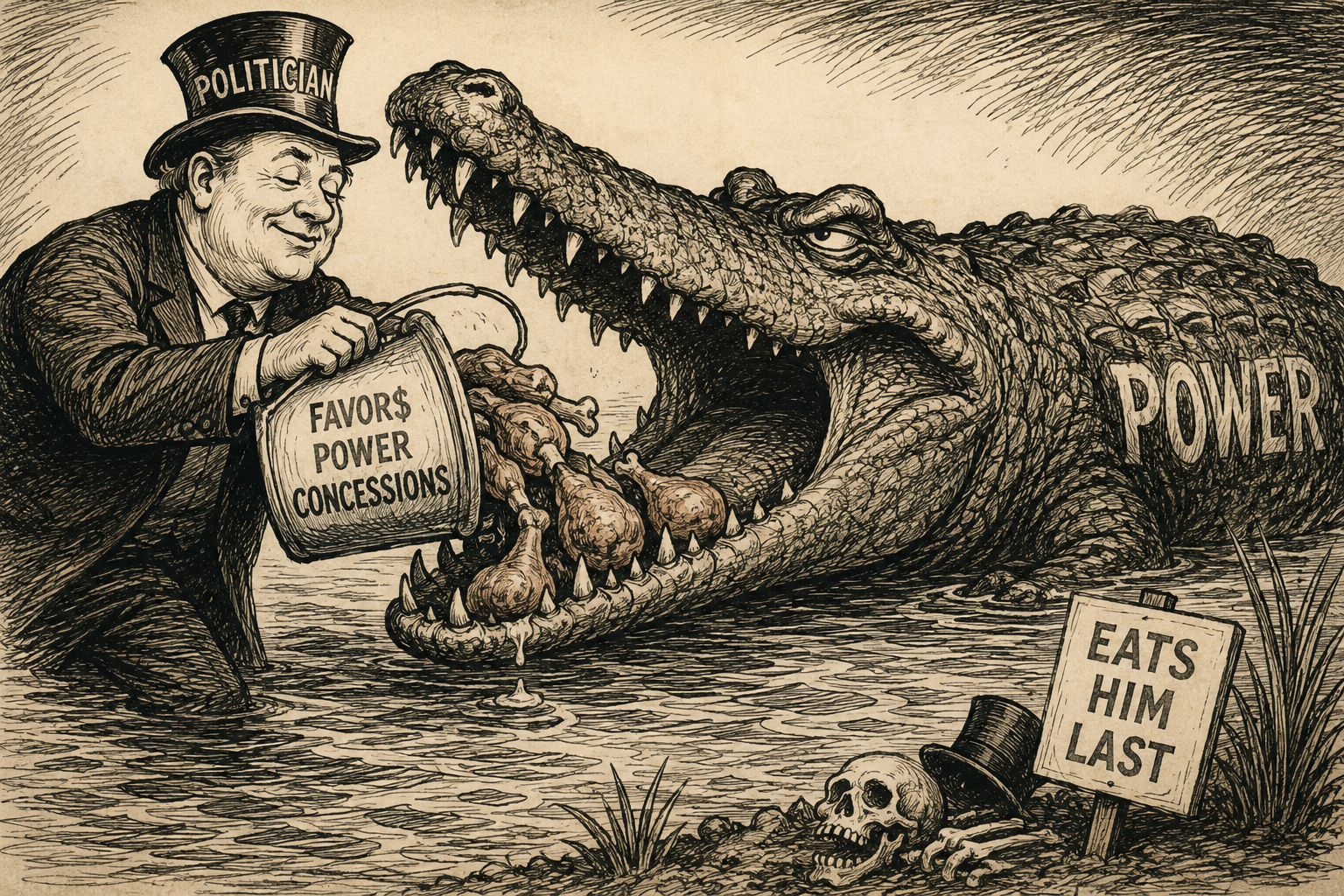
Hakeem Jeffries’ warm congratulations, framing the winners as normal Democrats focused on affordability and crushing “far-right extremism,” is classic appeasement. He is feeding the crocodile, hoping it will eat him last, as Winston Churchill quipped about appeasers. The radicals have already shown their hand with “You’re next” chants. Scott Wiener’s public humiliation is the predictable next bite.
The class and demographic splits make the mismatch glaring. The radicals win in gentrified, highly educated, higher-income precincts. They lose working-class, Black, Hispanic, and lower-income areas by double digits. This is not a working-class uprising. It is an elite activist resentment movement wearing the old Democrat skin.
The Opportunity for Republicans
Moderate Democrats are starting to push back. The “Promise to America” pledge signed by thirteen members and candidates explicitly declares “We are capitalist, not socialist,” and calls for secure borders, fiscal responsibility, safety over lawlessness, and confident patriotism. Pragmatic voices like Tom Suozzi, Josh Gottheimer, John Fetterman, and others are drawing lines, some out of conviction, most out of raw political survival.
This internal Democrat civil war is the generational opportunity for Republicans. In a center-right country, the radical faction is self-limiting outside deep-blue enclaves. Their policies on crime, immigration, constitutional order, and antisemitism alienate working-class voters, moderate liberals, Jewish communities, and everyday Americans who simply want safety, mobility, and competence.
Republicans don’t need to convert the entire Democrat coalition. We need to nationalize the contrast, tie every DSA-aligned or Mamdani-endorsed candidate to the platform and the takeover, and appeal to the non-Marxist majority on the issues that matter: secure borders, safe streets, fiscal sanity, and American sovereignty.
The redistricting advantages, falling energy prices, and visible fractures give us the positioning. The radicals keep providing the material. History suggests the cycle will continue: radicals pushing, establishment accommodating, until accommodation fails and the inward purge accelerates.
The revolution always eats its own. The Democrat Party is wearing a skin suit that no longer fits the body underneath. The question is whether the original institution can reassert itself, or whether the radicals keep gaining ground until the contradictions become unsustainable.
Republicans have a rare window. Exploit the mismatch. Nationalize the extremes. Offer a clear alternative rooted in ordered liberty, rule of law, and opportunity for working people. The center-right median voter is watching. The radicals are making the choice unmistakable.
The crocodile is hungry. History is rarely subtle. In Texas, we’ve always known better than to feed it. The opportunity to counter it effectively is here. Let’s not waste it.
