
Reform UK’s Ascendancy and Britain’s Political Realignment
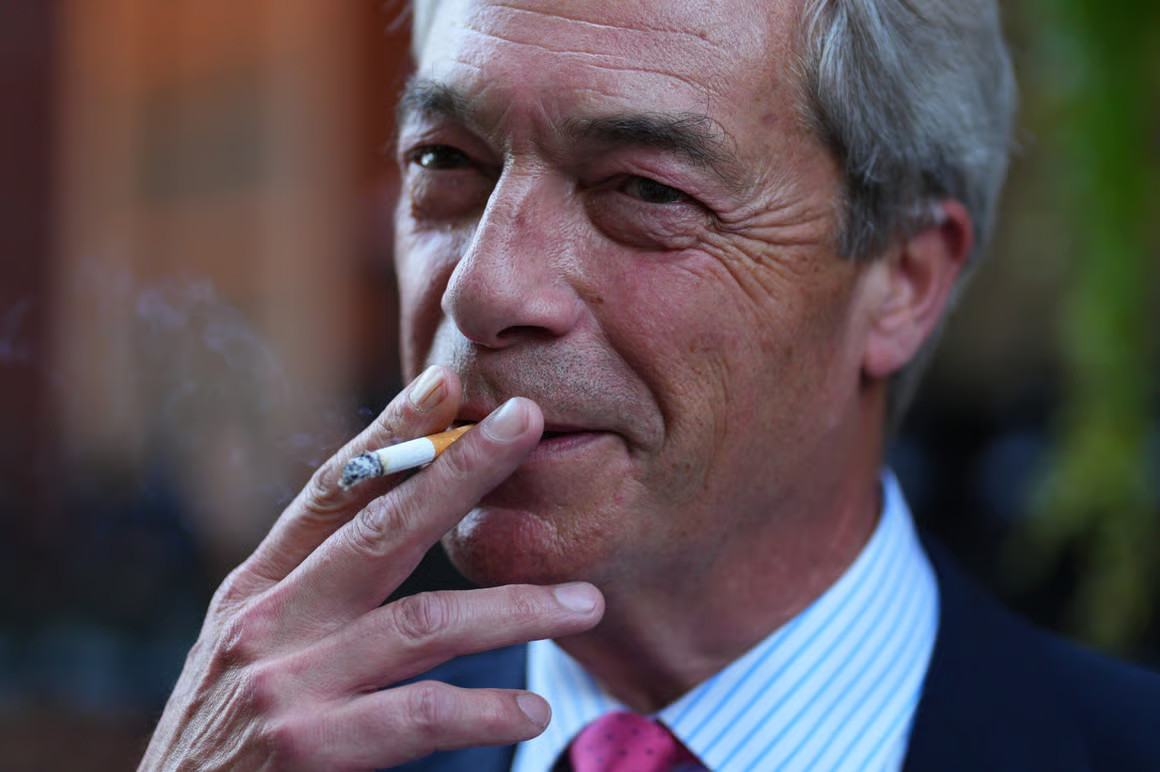
In the early hours of 8 May 2026, as council tallies rolled in from the Midlands to the North East, Nigel Farage stood outside Havering Town Hall and declared a “truly historic shift in British politics.” Reform UK had just seized control of its first London borough, swept Essex County Council, and flipped long-held Labour bastions like Newcastle-under-Lyme and Sunderland. Over 1,400 council seats gained. Labour hemorrhaging more than 1,100 seats and control of dozens of authorities. The Conservatives bleeding in their own heartlands. Even in Wales, Labour — dominant for a century — was reduced to third place with just nine seats, while Reform surged to second with 34.
This wasn’t a protest vote. It was a verdict.
For traditional Conservatives watching from the sidelines — the kind who once saw the party as the natural home for those who value order, sovereignty, and putting British workers first — the night crystallized a painful truth. The old two-party duopoly that defined Westminster for generations is fracturing. Reform UK is not merely nipping at the heels of the majors; it is harvesting their voters with ruthless efficiency. The same Red Wall seats that flipped to Boris Johnson in 2019 and then to Keir Starmer in 2024 are now turning turquoise. The perception gap on immigration, cultural cohesion, and national identity (issues dismissed by the establishment as fringe) has become the central fault line of British politics. Perception, after all, is reality at the ballot box.
Reform’s Clear Message
Reform’s platform is laser-focused and unapologetic. Freeze non-essential immigration. Mass deportations of illegals. Scrap Net Zero burdens that drive up energy bills. Raise the personal tax threshold to £20,000. Prioritise British people for housing, jobs, and services. Keep the NHS free at the point of use but use private capacity to slash waiting lists. It is the language of “common sense” delivered without the hedging that plagued 14 years of Conservative government. And it resonates because it matches lived experience in towns where rapid demographic change has strained services, schools, and social trust. The cultural issue is real, but the voter revolt is driven by the sense that no one in power was listening.
The Tory Collapse
The Tory collapse has been particularly brutal. Once the natural party of government on the centre-right, they are now a diminished force squeezed from their own flank. Kemi Badenoch’s “no deals” stance with Reform looks increasingly untenable as defectors and voters continue to migrate. In a projected general election based on these local results, modelling shows Reform as the largest party with around 284 seats in a hung parliament — 42 short of a majority, but comfortably ahead of a shrunken Labour (110) and Tory (96) remnant. Numerically, a right-wing realignment is staring them in the face. Politically, the bad blood and brand rivalry make formal pacts toxic, at least for now. Yet the logic of arithmetic and overlapping priorities (borders, energy security, tax relief) suggests the pressure for some form of accommodation will only grow.
Labour’s Precarious Position
On the government benches, the mood is grim. Keir Starmer insists he is “not going to walk away.” But hubris has felled better leaders. A snap election called in an attempt to “solidify power” would likely accelerate the very collapse he fears — handing Reform a national platform at the peak of its momentum. Even a leadership change to a fresh face would place the successor under an immediate, merciless microscope. Any stumble on immigration, winter fuel payments, or cultural signaling would be seized upon as proof that Labour still doesn’t get it. Westminster’s fusion-of-powers system rewards decisive majorities but punishes perceived weakness with merciless speed. The big Labour majority that looked impregnable in 2024 now feels like a sandcastle at high tide.
The Anglosphere Opportunity
For those who have traditionally backed the Conservatives but now see Reform as the ascendant force — the energetic challenger forcing the realignment — this moment feels like vindication. The party is delivering on the issues that matter most to its growing base: sovereignty, security, and a renewed focus on the Anglosphere. Stronger ties with the US, CANZUK partners, and a pragmatic “Special Relationship” offer a cultural and strategic counterweight to European drift. Immigration policy that would functionally reduce inflows from high-risk regions aligns seamlessly with that vision: secure borders as national renewal, not isolation.
Farage may be feeling his oats after such a resounding night. Triumph can breed overreach. But the structural forces at work — voter migration, perception-driven realignment, and the exhaustion with establishment failure — suggest Reform is here to stay. British politics is no longer a two-horse race. It is becoming a multi-party contest where the disruptor has seized the momentum.
The turquoise wave has broken. The question now is how far it will carry, and whether Westminster’s ancient rituals can adapt to the new reality it has unleashed.
