
Democrat Dithering Hands GOP a Rare Midterm Edge

As the 2026 midterms loom, Democrats stumble through dithering and delay, squandering a chance to leverage affordability concerns while handing the GOP a rare offensive opportunity. This paralysis-fueled by distractions, reluctance to tackle fraud, and a fractured message-threatens to transform a potentially favorable economic shift into a political rout. With historical trends and current momentum favoring Republicans, Trump’s party stands poised to flip seats and reshape Congress as Democrats falter.
The past two weeks expose a cascade of Democratic missteps. It began with a video from the “Seditious Six”-Sens. Mark Kelly (AZ), Elissa Slotkin (MI), and Reps. Jason Crow (CO), Chrissy Houlahan (PA), Chris Deluzio (PA), and Maggie Goodlander (NH)-urging the military to refuse “illegal orders” from the Trump administration. Garnering 1.5 million views, it draws Trump’s “seditious” backlash and FBI probes, setting a tone of overreach. Then comes the Hegseth “war crimes” saga, triggered by a Washington Post report alleging Defense Secretary Pete Hegseth ordered a “double-tap” strike on a Venezuelan drug boat, killing survivors.
This consumes 40% of Democratic-leaning airtime, overshadowing Senate Majority Leader Chuck Schumer’s December 4 “Make America Affordable Again” (MAAA) push. Simultaneously, Minnesota’s $1 billion Somali fraud scandal-where Gov. Tim Walz’s administration allegedly ignores pre-COVID red flags-metastasizes, linking to Al-Shabaab financing and amplifying GOP “soft on narco terror” claims. The DOJ’s lawsuit against 14 blue states (including Minnesota) for blocking SNAP data further exposes 186,000 dead enrollees and $21 billion in Obamacare subsidy fraud (per Guy Benson’s X thread), painting a picture of Democratic inaction on critical issues.
Between this, many of the DOGE findings, and the Minnesota scandal, it is just infuriating that hardworking American taxpayers are getting their dollars confiscated by the government then funneled to grifters and criminals on a staggering scale. And the party of More Government…
— Guy Benson (@guypbenson) December 5, 2025
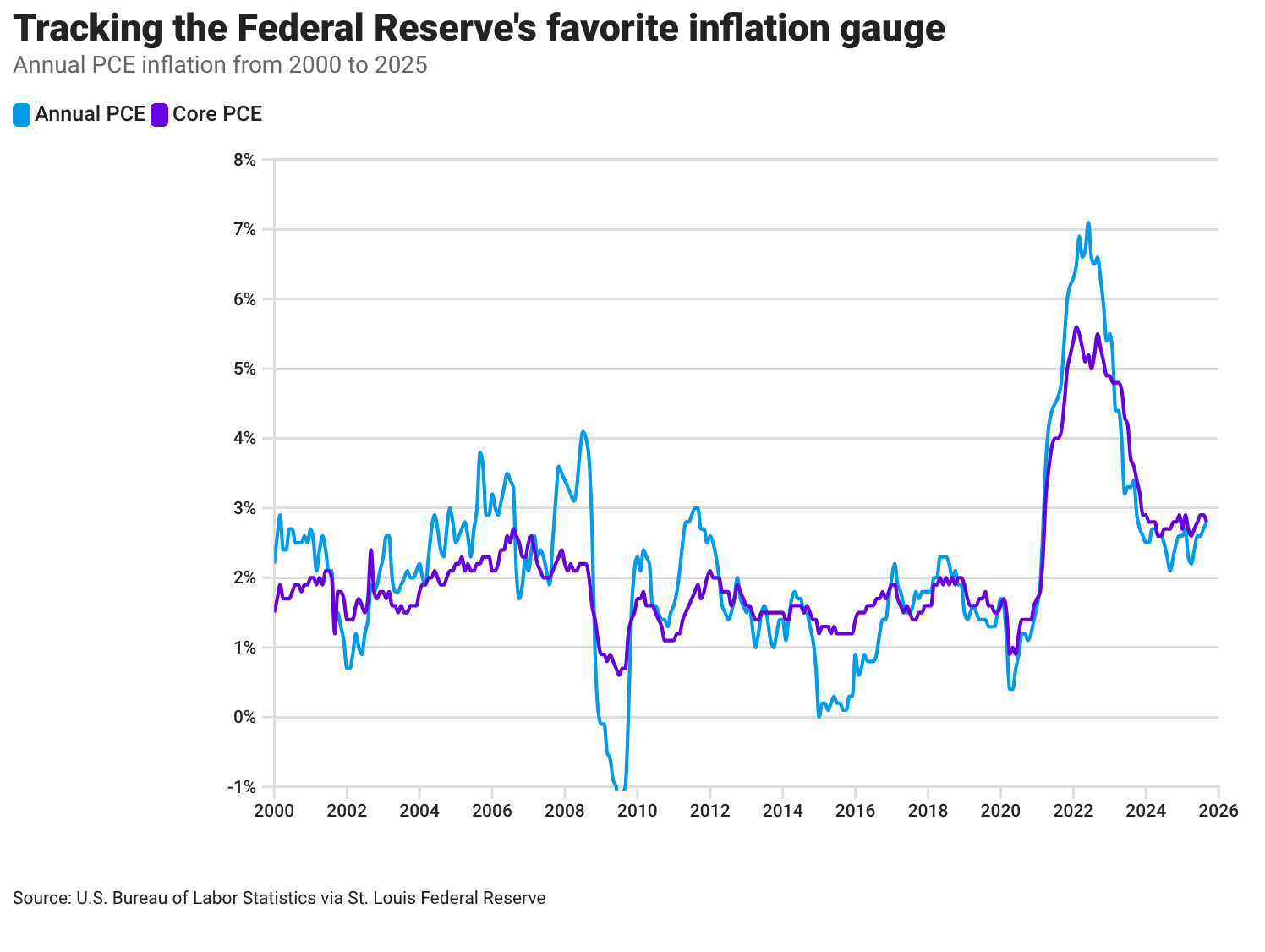 This dithering starkly contrasts with GOP momentum. Trump’s narco-strikes (fentanyl down 15%) and the Department of Government Efficiency (DOGE) panel’s $2 trillion waste-cutting proposals position him as the “affordability president.” The One Big Beautiful Bill Act (OBBBA), with $1,000–$7,000 tax relief phasing in by Q2 2026, promises a GDP rebound to 2.0%+ (UCLA/Vanguard) and inflation easing to 2.8% (Deloitte), as depicted in the recent PCE inflation chart from the U.S. Bureau of Labor Statistics via the St. Louis Federal Reserve, showing a decline from a 2022 peak of over 6% to a projected 2.8% by 2026. GOP fundraising surged 22% since November 20. Historical midterm trends favor the out-party: 2018 saw a 40-seat loss, 2010 a 63-seat wave. With the House at 220-215 GOP, a 5-10% swing flips control, a prospect bolstered by current dynamics.
Democratic dithering shines in their refusal to confront fraud head-on. The SNAP data suit, with states like California and Minnesota resisting DOJ demands, appears to shield grifters, wasting $170 per household (CBO math). Walz’s silence on new indictments and Schumer’s muted MAAA rollout-buried under war crimes noise-reveal a party split between progressive “democracy” fervor and moderate affordability needs. Polls indicate 56% prioritize affordability (POLITICO), yet Democrats’ +3-point economic lead (Pew) shrinks as OBBBA credits near. Meanwhile, 61-64% of swing-state voters know fentanyl victims (YouGov), and the GOP’s 44-28% crime edge (Pew)-bolstered by Hegseth strikes and Somali scams-gains traction.
Dawdling exacerbates the damage. The Hegseth distraction, now fizzling per RedState’s Brad Slager, wastes a week when Democrats could forge a clear affordability message. The SNAP defiance feeds GOP ads like “Dems protect fraud over families.” If fraud spreads to Ohio or Maine (Somali hubs) and OBBBA’s relief dulls affordability woes, a 10-15 seat flip looms, echoing 2010’s tea party surge. Keeping Walz on the 2026 gubernatorial ballot flips Minnesota’s House seats (34-33 DFL edge) and signals broader GOP gains, nationalizing the “importing electorate” meme and energizing turnout.
The GOP’s appropriations talks exploit this paralysis. Trump demands SNAP compliance or welfare cuts, framing Democratic delay as neglect of safety. A January 2026 resolution favoring GOP terms amplifies their narrative, especially if tied to fraud probes. Democrats struggle to unify post-shutdown, with Schumer’s MAAA rollout muted by distractions. Counterpoints exist-pivoting to oversight or equity defenses regains ground-but internal rifts (progressives vs. moderates) and war crimes noise stifle progress. The GOP risks overreach, such as voter suits alienating moderates, but the 70% anti-Dem sentiment and fundraising gains suggest they capitalize.
This Democratic dithering and dawdling on fraud, strikes, and affordability hands the GOP a rare 2026 edge. With OBBBA’s relief landing and scandals growing, a House flip reaches 10-15 seats, reshaping the political map. People feel Biden-era inflation’s sting-peaking above 6% in 2022-without yet sensing Trump’s relief, a lag noted in the PCE chart. Should this persist, barring unforeseen events (the Macmillan caution), affordability improves into 2026, boosting GOP prospects. Democrats sharpen their affordability focus or face a rout. The ball rests in their court, with time nearly up.
