
How Trump Is Locking In America’s Next 50 Years
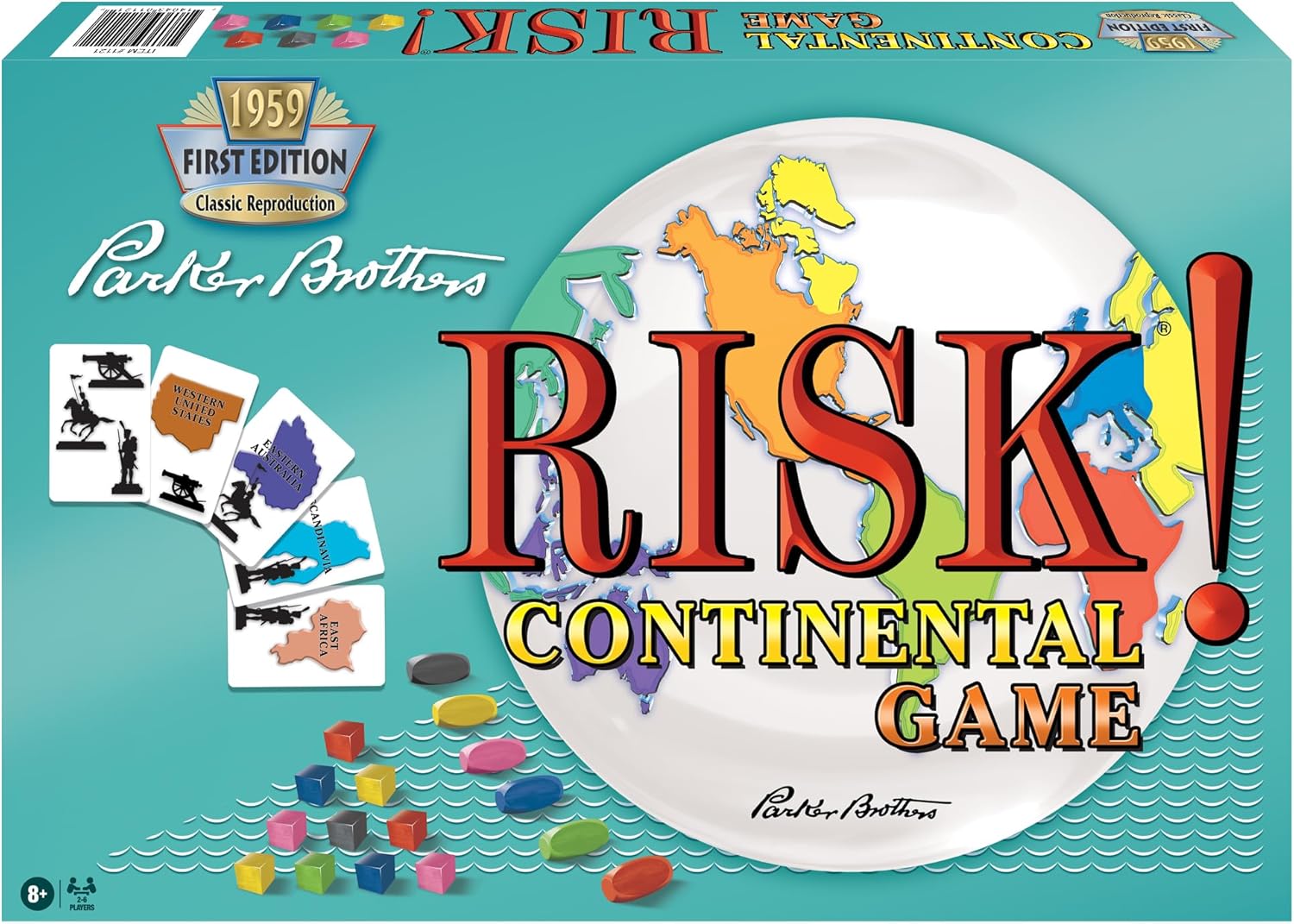
The post-war era is over. We are now in a pre-war phase, and President Trump is actively preparing for it.
This is not alarmism or speculation about inevitable global conflict. It is an observation grounded in the pattern of decisive actions taken in the first year of his second term. The strategy is clear: secure American primacy for the next 50 years by controlling critical resources, denying strategic assets to adversaries (China, Russia, Iran), neutralizing existential threats, enabling regional stability on American terms, and projecting overwhelming strength that deters rather than invites escalation. The playbook draws directly from The Art of the Deal-create leverage, make bold asks, force compliance-and the 2025 National Security Strategy’s emphasis on hemispheric dominance and peace through strength.
Consider the sequence of moves.
First, Iran’s nuclear program was effectively destroyed in the near to medium term. Operation Midnight Hammer on June 22, 2025, using B-2 bunker-busters and Tomahawks, severely damaged the key enrichment facilities at Fordow, Natanz, and Isfahan. The setback-measured in years by IAEA and intelligence assessments-removed a direct proliferation threat and, crucially, degraded Iran’s ability to support its proxy network. Trump himself described the elimination of Iran’s nuclear capability as a critical “set of circumstances” that enabled the Gaza peace deal. The October 2025 ceasefire, hostage releases, and transition to Phase Two (announced January 14, 2026)-focused on demilitarization, technocratic governance, reconstruction, and disarmament of unauthorized groups-became possible only after Iran’s regional leverage was broken. Neutralizing one major threat created breathing room for a stability deal that stabilizes the Middle East flank and frees strategic bandwidth for other priorities.
Next came Venezuela. On January 3, 2026, U.S. special operations captured Nicolás Maduro in Operation Absolute Resolve. The world’s largest proven oil reserves-approximately 303 billion barrels-were effectively frozen out of reach for China. While Venezuela’s industry remains degraded (production languishing around 1 million barrels per day against historical peaks of over 3 million), the oil is now off the board for rivals. Revival will require tens to hundreds of billions and a decade or more, but the strategic lock is in place today.
Simultaneously, the Greenland push has accelerated. Tariff threats (10% starting February 1, escalating to 25% on June 1 against eight NATO allies) combined with public rhetoric and AI-generated imagery of an American flag planted on the island have created overwhelming pressure. Dana Perino, appearing on The Five tonight, captured the moment perfectly: Trump has “already won the issue.” If a deal were not already substantially formed, he would not be heading to Davos with a packed schedule of Greenland-related meetings. The remaining question is not whether control will be secured, but how fully the United States will control Greenland-likely well beyond a standard Compact of Free Association, with expanded military basing, priority mineral access, and denial rights against China and Russia.
Greenland’s rare earth elements and critical minerals (1.5 million metric tons proven REE reserves per USGS 2025 estimates, with higher geological projections) are comparable in strategic value to Venezuela’s oil. Both resources are currently difficult to exploit-Venezuela’s infrastructure is corroded and undercapitalized; Greenland’s deposits lie beneath ice sheets in extreme conditions-but the real victory is preemption. They are denied to adversaries now, positioned for future American-aligned development over decades.
Cuba sits next in the crosshairs. With Venezuelan subsidies cut off, blackouts worsening, and Trump/Rubio rhetoric urging Havana to “make a deal BEFORE IT IS TOO LATE,” the island on America’s back doorstep is increasingly vulnerable to economic choke and eventual alignment.
European and NATO response? Vocal but toothless. Statements from targeted countries express “full solidarity” with Denmark and Greenland, label tariffs “blackmail” and a “mistake,” warn of a “dangerous downward spiral.” Yet the diplomatic teeth are minimal. The statement has diplomatic teeth: it uses Efferdent on its dentures. The fizz of indignation quickly settles into lukewarm water. Fractures are evident: Slovakia and Hungary refused to sign on to joint condemnations (Hungary blocked a full EU statement outright). No unified retaliation, no binding countermeasures. The pattern is feckless posturing followed by reluctant accommodation.
Environmental backlash? Virtually absent from Davos discussions. Protests focus on sovereignty and coercion, not future mining risks or ice-sheet impacts. Globally, eco-issues remain selectively muted so long as China and India operate under the “common but differentiated responsibilities” leniency of the Paris framework. Strategic necessity trumps performative green concerns.
The expectation is not unilateral rupture but multilateral leadership-with the United States firmly at the helm. Trump sets the agenda through economic leverage, security framing, and targeted military action; allies and partners follow, however grudgingly, because the costs of defiance (lost market access, weakened security guarantees) are higher than compliance. Face-saving deals-enhanced basing rights in Greenland framed as NATO burden-sharing, Gaza Phase Two as a model of U.S.-brokered stability-are the likely outcome.
The risks are real: alliance strains, diplomatic blowback, potential miscalculation. Yet the moves are calculated, not reckless. They build buffers, deny critical assets to rivals, and project the kind of overwhelming strength that historically deters large-scale conflict rather than inviting it.
This is pre-war preparation-not because war is inevitable, but because readiness is the best guarantee it remains unnecessary. The next 50 years of American security are being shaped right now, one decisive action at a time.
