
Trump-Epstein Letter vs. Bush TANG Memos: Media Bias Parallels
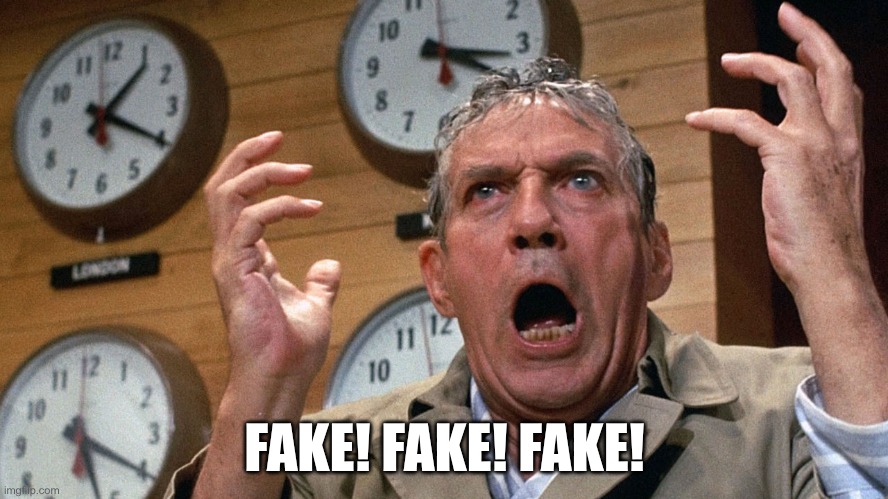
The Wall Street Journal’s (WSJ) July 18, 2025, story alleging a 2003 “bawdy birthday letter” from Donald Trump to Jeffrey Epstein, which Trump calls a “FAKE” and threatens to sue over, mirrors the 2004 CBS “Bush TANG memos” scandal. The WSJ claims a letter in Ghislaine Maxwell’s album but hasn’t produced it, with Karoline Leavitt stating the WSJ admitted lacking it. Conservative outlets (HotAir, Townhall, RedState, PJ Media, Power Line, Breitbart, Twitchy) label it a smear, citing reporter Joe Palazzolo’s ties to Main Justice, linked to Fusion GPS’s discredited Steele dossier for Clinton and the DNC. James Fishback’s six questions challenge the WSJ (Twitchy):
- How was a 2003 letter “suddenly” found?
- Who provided it, when, and under what terms?
- Why isn’t it published in full?
- Can WSJ cite another Trump letter in “whimsical riddles”?
- Why doesn’t it match Trump’s direct style?
- Why surface now, not in 2016, 2020, or 2024, but when Democrats allegedly weaponize Epstein?
Trump’s response-suing WSJ, NewsCorp, Murdoch, and pushing Epstein file releases-rallies his MAGA base, with Elon Musk and Chris Cuomo questioning the story. His $15 million ABC (December 2024, for false rape claims) and $16 million CBS (July 2025, for deceptive editing) settlements embolden him, unlike Bush’s restraint.
6 questions for the idiots at the Wall Street Journal:
1. How on earth did you just suddenly find a letter from 2003?
2. Who gave it to you? When? What were the terms?
3. Why didn’t you publish the “letter” in full?
4. President Trump’s always been known for writing personal…
— James Fishback (@j_fishback) July 18, 2025
The 2004 CBS “Rathergate” scandal involved a “60 Minutes II” report alleging George W. Bush got preferential Texas Air National Guard treatment. Based on 1972–73 memos from Lt. Col. Jerry Killian, it claimed Bush shirked duties. Little Green Footballs, led by Charles Johnson, and other experts debunked the memos for modern typography (e.g., superscript) inconsistent with 1970s typewriters, tracing them to Bush critic Bill Burkett. CBS retracted the story, Dan Rather apologized, producers were fired, and Rather left in 2005. Timed to hurt Bush’s 2004 re-election, it failed but trashed CBS’s credibility, much like the WSJ’s current hit to trust, per a HotAir-cited Gallup poll.
Both stories rely on unverified documents and face bias charges. The WSJ’s missing letter (Fishback’s questions 3, 5) echoes CBS’s forged memos, with Palazzolo’s Fusion GPS ties akin to Burkett’s agenda. Fishback’s questions 1, 2, 6 on timing parallel CBS’s election-year hit, targeting Trump’s 2025 wins (e.g., defunding NPR, PBS, USAID) versus Bush’s campaign. Fusion GPS (Clinton-funded) and Burkett reflect media collusion. Yet, WSJ’s story unites Trump’s base, unlike CBS’s failure to sink Bush. Trump’s $15 million and $16 million settlements from ABC and CBS fuel his WSJ lawsuit, contrasting Bush’s low-key response.
The CBS memos, publicly aired, were swiftly debunked by Little Green Footballs, while the WSJ’s unseen letter (Fishback’s question 3) fuels speculation. CBS faced immediate fallout (retraction, firings); NewsCorp and WSJ may settle to avoid discovery, as ABC and CBS did, given Trump’s $15 million and $16 million settlements. Conservatives liken WSJ to “Rathergate,” with this author’s Leftist media critique amplified by Palazzolo’s ties and Fishback’s questions, which spotlight the letter’s dubious origin, style mismatch, and suspicious timing. The WSJ’s failure to produce the letter, coupled with Palazzolo’s Fusion GPS link, amplifies MAGA distrust, portraying the story as another media hoax in a pattern of attacks on Trump. Trump’s settlements, base unity, and proactive stance-filing lawsuits and demanding Epstein files-set a sharper resistance than Bush’s, with Fishback’s pointed questions driving the narrative of a politically motivated smear.
