
The Fates of the Declaration’s Signers: A Tapestry of Risk, Resilience, and Legacy
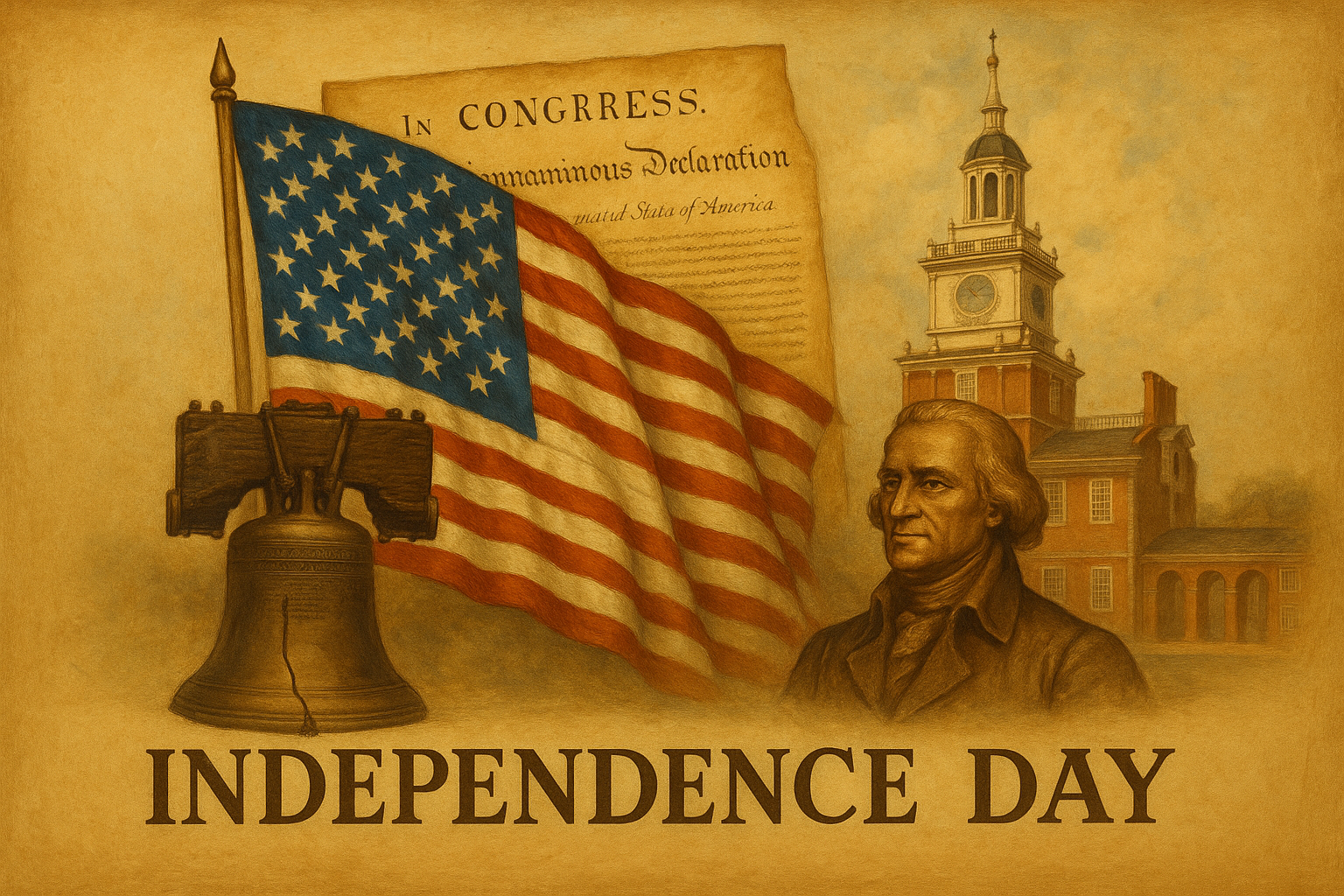
On July 4, 1776, 56 men affixed their names to the Declaration of Independence, pledging their “lives, fortunes, and sacred honor” to the cause of American liberty. This act of defiance against British rule was a bold gamble, carrying the weight of treason and the promise of uncertain futures. The signers, a diverse group of lawyers, merchants, farmers, and statesmen, embodied the revolutionary spirit, yet their post-Declaration lives unfolded in a complex mosaic of triumph, hardship, and enduring legacy. Far from the romanticized narrative of universal sacrifice and suffering, their stories reveal a nuanced reality of risk, resilience, and varied contributions to the fledgling nation.
The signers’ commitment was not without peril. By declaring independence, they exposed themselves to potential retribution from the British Crown, which could have meant imprisonment, confiscation of property, or death. Historical records, however, dispel the myth that they were systematically targeted for their signatures. The limited communication infrastructure of 18th-century America, as noted by historians Joseph D’Agnese and Denise Kiernan, hindered the British ability to single out the signers. Nevertheless, the Revolutionary War brought real challenges. Five signers-George Walton, Thomas Heyward Jr., Arthur Middleton, Edward Rutledge, and Richard Stockton-were captured by the British, though they were treated as prisoners of war rather than traitors. Several others, including William Ellery, Lyman Hall, and George Clymer, saw their homes looted or damaged, a common wartime fate not always tied to their status as signers. These hardships underscore the risks they faced, yet they were not the uniform martyrdom often portrayed in popular lore.
Amid these challenges, many signers demonstrated remarkable resilience, leveraging their revolutionary roles into lasting contributions. John Adams and Thomas Jefferson, towering figures of the era, became the second and third U.S. presidents, respectively, both living into their 80s and dying on the same day-July 4, 1826, the 50th anniversary of the Declaration. Benjamin Franklin, already a renowned polymath, continued his diplomatic work, shaping the new nation until his death in 1790 at age 84. John Hancock, whose bold signature became iconic, served as Massachusetts’ governor until 1793, while Samuel Adams remained a political force in the state. These men, among others, illustrate how the signers’ resolve translated into enduring influence, helping to build the foundations of American governance.
Yet, not all stories were of triumph. Some signers faced profound personal and financial losses, reflecting the war’s toll. Robert Morris, a financier of the Revolution, fell from wealth to ruin, imprisoned for debt from 1798 to 1801 and dying in poverty in 1806. Carter Braxton of Virginia lost his shipping fortune, partly due to British seizures, and died in modest circumstances in 1797, though not in the “rags” some accounts exaggerate. Richard Stockton, captured and mistreated by the British, suffered declining health and died in 1781 at age 50. Button Gwinnett met a tragic end in 1777, killed in a duel unrelated to British retribution-the only signer to die violently during the war. These cases highlight the personal costs borne by some, yet they also counter the myth of widespread devastation, as most signers survived the war and many thrived.
The longevity of the signers further reflects their resilience. At least nine lived into their 80s, with Charles Carroll of Carrollton, the last surviving signer, dying in 1832 at 95. Others, like William Ellery (died 1820, age 92) and Francis Lewis (died 1802, age 89), enjoyed long lives, their legacies enduring through their contributions to the nation’s early years. Even those who faced losses, like Abraham Clark, whose sons were captured, or John Witherspoon, who lost a son in battle, continued to serve, demonstrating a steadfast commitment to the revolutionary cause.
The legacy of the signers lies not only in their individual fates but in the collective impact of their actions. The Declaration of Independence was a radical assertion of self-governance, and its signers, despite varied outcomes, embodied the courage to challenge an empire. Their stories, drawn from sources like the National Archives and historical analyses, reveal a spectrum of experiences-some marked by prosperity and prominence, others by sacrifice and struggle. This complexity challenges the oversimplified narrative of universal suffering, offering instead a portrait of men who navigated the uncertainties of revolution with grit and vision.
In studying their fates, we see the Declaration’s signers as more than historical icons; they were human, facing risks that tested their resolve. Their resilience in the face of war, loss, and rebuilding forged a legacy that endures in the principles of liberty and self-determination they championed. As we reflect on their lives, we are reminded that nation-building is a collective endeavor, marked by diverse paths but united by a shared commitment to a revolutionary ideal-one that continues to shape the American story.
