
Antisemitism, Communism, and a Democratic Party in Peril
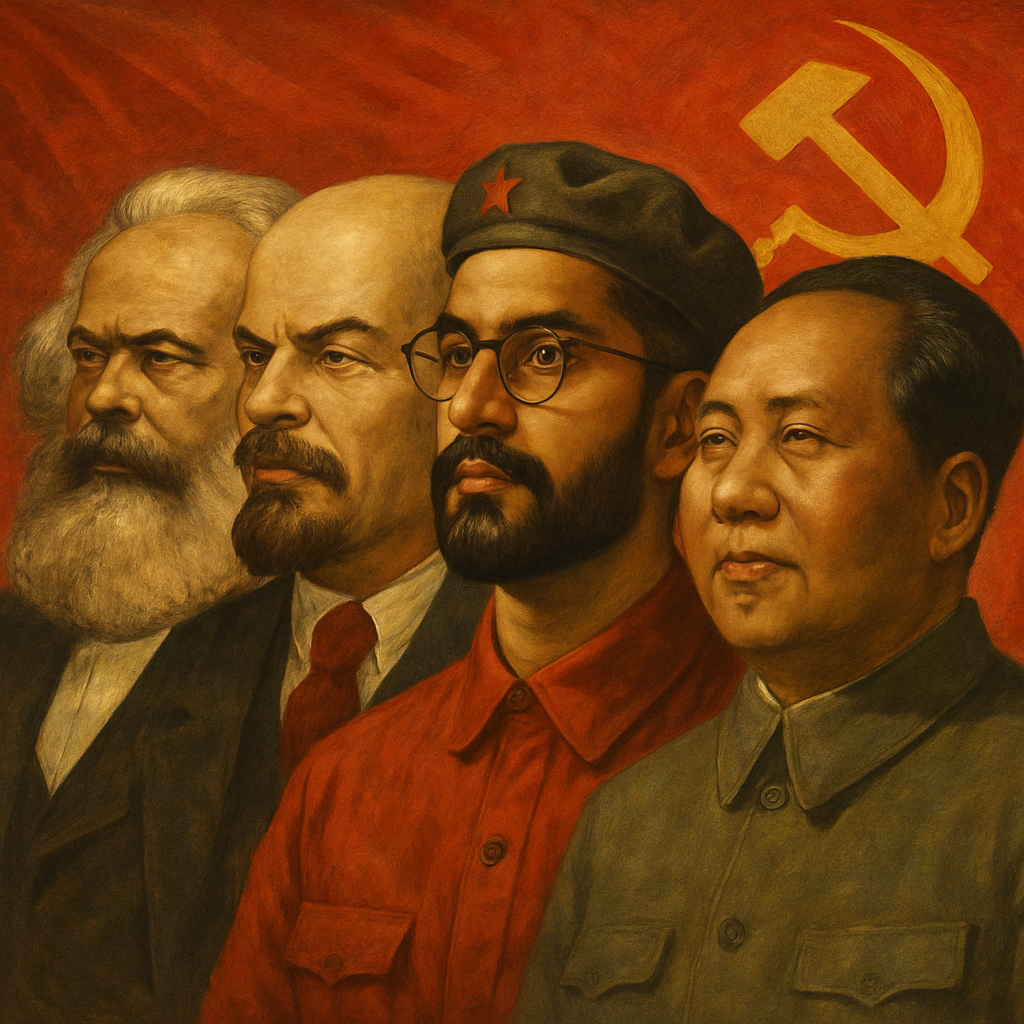 Zohran Mamdani’s stunning defeat of former Gov. Andrew Cuomo in the June 2025 New York City Democratic mayoral primary has sparked outrage, branding the Democratic socialist an antisemite and communist whose rhetoric and policies threaten the city’s cohesion and the Democratic Party’s future. His refusal to denounce “globalize the intifada,” which he framed as a call for Palestinian equality while equating “intifada” to “struggle”-a term that translates to Mein Kampf’s “struggle”-has drawn fierce criticism from Jewish leaders, moderates, and conservatives. His Meet the Press (June 29, 2025) claim, “I don’t think we should have billionaires because, frankly, it is so much money in a moment of such inequality,” paired with a plan to “shift the tax burden from overtaxed homeowners in the outer boroughs to richer, whiter neighborhoods,” fuels charges of racism and class warfare. This exposé argues that Mamdani’s actions, cloaked by media sanitization, erode T.S. Eliot’s “permanent things”-faith, community, and moral order-while kindling a crisis for Democrats in the 2025 mayoral race and beyond.
“Globalize the Intifada” Ignites Antisemitism Charges
Mamdani’s refusal on Meet the Press (June 29, 2025) to condemn “globalize the intifada,” despite three prompts from host Kristen Welker, intensified scrutiny. He called it a demand for Palestinian equality, likening “intifada” to “struggle” or resistance on The Bulwark podcast (June 17, 2025), citing the Warsaw Ghetto Uprising’s Arabic translation-an analogy the U.S. Holocaust Memorial Museum rejected as “outrageous.” The term “struggle” evokes Mein Kampf’s “Kampf,” underscoring its genocidal undertones, as seen in the Second Intifada’s suicide bombings. ADL’s Jonathan Greenblatt labeled the phrase “explicit incitement to violence” against Jews, tying it to the June 2025 Boulder firebombing, where Mohamed Sabry Soliman, shouting “Free Palestine,” killed 82-year-old Karen Diamond, and Hamas’s bounties on U.S. aid workers. Rep. Dan Goldman deemed Mamdani “unfit” to lead a city with 1.3 million Jewish residents. Sen. Kirsten Gillibrand withheld endorsement, urging him to reject the phrase as a call to “slaughter the Jews,” while Hakeem Jeffries demanded clarity. A former infantryman’s account of Muslim-majority countries asserts Mamdani’s rhetoric, not Islamophobia, drives the backlash.
Communist Accusations Fueled by Policy and Ideology
Mamdani’s Democratic Socialists of America ties and policies-free transit, universal childcare, rent freezes, city-owned grocery stores, and a $30/hour minimum wage by 2030-spark accusations of communism. A 2021 video shows him advocating seizing the means of production.
This is not terrible AI, it's a real message from the current frontrunner for NYC Mayor to his socialist comrades.
"The end goal of seizing the means of production."
I can't believe this is actually happening. pic.twitter.com/KNxQV2QCX7
— MAZE (@mazemoore) June 30, 2025
Critics dispute PolitiFact’s defense of his democratic socialism, arguing his policies mirror failed communist systems. Mayor Eric Adams questioned the grocery store plan’s feasibility and accused Mamdani of Hamas sympathies. The DSA’s 1,300-member surge post-primary, praised by Sen. Chris Murphy as a campaign model, amplifies his socialist sway. Critics warn this kindles economic instability, clashing with Eliot’s “permanent things” like cultural continuity. CNN’s defense of his grocery plan drew scorn, while Trump branded him a “100% Communist Lunatic” and Stephen Miller linked his win to migration.
Tax Plan and Anti-Billionaire Stance Stir Racial, Economic Tensions
Mamdani’s “Stop the Squeeze on NYC Homeowners” memo, proposing to “shift the tax burden from overtaxed outer boroughs to richer, whiter neighborhoods,” ignited racism charges. He defended it, claiming, “It’s not driven by race. It’s about under-taxed versus overtaxed neighborhoods,” arguing wealthier areas like Park Slope pay lower rates than Black-majority Canarsie. Critics called it “pure racism,” questioning how “whiteness” would be measured, while Assistant Attorney General Harmeet Dhillon threatened a DOJ probe for violating anti-discrimination laws. Mamdani’s Meet the Press stance against billionaires-“I don’t think we should have billionaires because, frankly, it is so much money in a moment of such inequality”-provoked backlash in a city with 123 billionaires. Bill Ackman warned his policies could drive the wealthy to low-tax locales, rendering NYC “economically unviable.” GOP Councilman David Carr urged Mamdani to drop the divisive rhetoric, and Rep. Laura Gillen called him “too extreme” to lead.
Media Sanitization Shields Radicalism
Mainstream media face accusations of shielding Mamdani. The New York Times’ “puff piece” on his immigrant parents glosses over his refusal to condemn “globalize the intifada” and radical policies. CNN’s defense of his grocery plan and progressive claims of Islamophobia against critics like Laurie Friedman are said to distort truth-a “permanent thing” in Eliot’s The Idea of a Christian Society. Mamdani’s invocation of Dr. Martin Luther King Jr.’s 1961 quote-“Call it democracy, or call it democratic socialism, but there must be a better distribution of wealth” (CNN, June 26, 2025)-is seen as cloaking radicalism in King’s moral authority. While King’s call echoes Eliot’s charity, Mamdani’s equating “intifada” with “struggle,” akin to Mein Kampf’s “struggle,” sanitizes a term tied to violence, undermining Eliot’s vision of a cohesive society.
Democratic Party Faces Electoral Peril
James Carville’s warnings underscore Mamdani’s threat to Democrats. In his Politics War Room podcast, a Washington Post op-ed, and interviews, Carville called Mamdani’s win a “potentially damaging event,” arguing his far-left policies, refusal to disavow “globalize the intifada,” and race-based tax plan could alienate moderates and harm Democrats in 2026. Republicans are poised to utilize his pro-Palestinian views, BDS support, and “anti-white” tax proposal. Carville deemed his city-owned grocery stores “esoteric” and unrealistic, with the Washington Post warning of a “corporate exodus.” Mamdani’s refusal to affirm Israel’s right to exist and his divisive rhetoric are liabilities, prompting moderates like Gillibrand, Jeffries, and Rep. Tom Suozzi to distance themselves, while progressives like Murphy and The Jacobin hail his “seismic” victory. Carville cautioned that New York City’s liberalism isn’t America’s, and Mamdani’s socialism could wound Democrats in battleground states post-Kamala Harris’s 2024 loss. He questioned Mamdani’s November 2025 electability, citing opposition from Adams or a potential Cuomo independent run.
Supporters’ Defense Deepens Polarization
Mamdani’s supporters claim he’s unfairly targeted as a Muslim candidate, citing his King quote as evidence of commitment to affordability (median home price $724,000 vs. $72,000 income) and justice. His 800% anti-hate crime funding proposal and tearful rejection of antisemitism accusations (June 18, 2025) counter critics, while his 45,000-volunteer coalition signals broad appeal. Progressives like Bernie Sanders defend his tax plan as targeting structural inequities, not race, noting wealthier neighborhoods exploit an outdated tax system. Yet, critics argue his “struggle” framing of “intifada,” akin to Mein Kampf’s “struggle,” ignores its violent ties, evidenced by the Boulder attack and Hamas bounties. Eliot’s The Idea of a Christian Society warns that secular ideologies erode shared values. Mamdani’s rhetoric, bolstered by media protection, threatens the “permanent things” of safety and unity, while supporters see him redefining justice. Carville’s warnings highlight the stakes: Mamdani risks alienating Jewish and moderate voters, arming Republicans to paint Democrats as radical. As the 2025 mayoral race unfolds, his refusal to reject a divisive phrase, race-based tax plan, and socialist vision-veiled by King’s moral authority-test whether radical change can coexist with Eliot’s stability and whether Democrats can weather the fallout.
Mamdani would rather the poor were poorer. The final word to the late great Margaret Thatcher.
