
AI in Business: Ethics, Productivity, and the Path to Sustainable Innovation
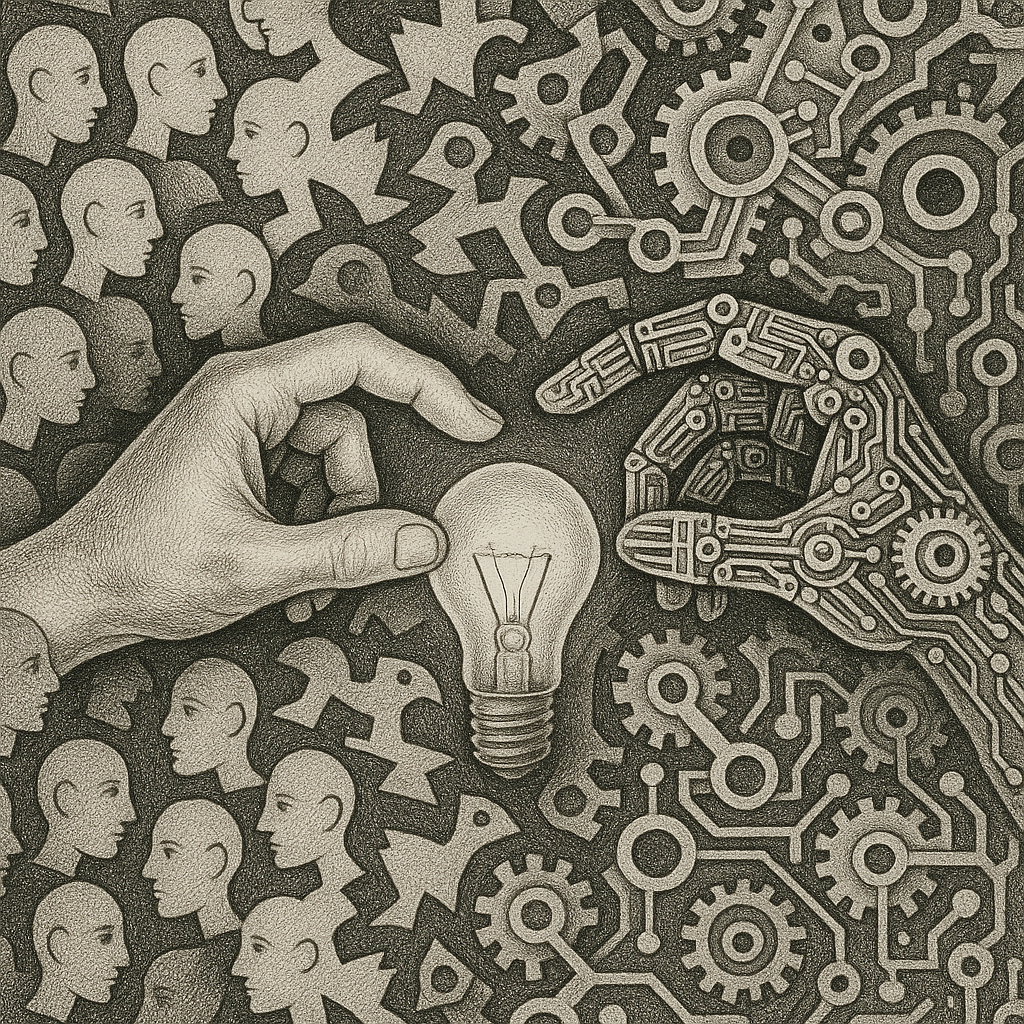 In the dynamic and transformative landscape of 2025, artificial intelligence (AI) has emerged as a cornerstone of business innovation, fundamentally reshaping operational paradigms, enhancing decision-making processes, and unlocking new frontiers of efficiency. AI’s potential to revolutionize industries-from healthcare’s precision diagnostics to finance’s predictive analytics-is matched by a complex tapestry of ethical, operational, and societal challenges that demand rigorous scrutiny and strategic navigation. The promise of streamlined workflows, data-driven insights, and personalized customer experiences is tempered by risks such as algorithmic bias, cybersecurity vulnerabilities, data privacy concerns, and workforce displacement, each of which poses significant hurdles to responsible adoption. This comprehensive column embarks on an in-depth exploration of AI’s multifaceted role in the business ecosystem, meticulously examining its ethical implications, delineating emerging best practices for responsible deployment, elucidating strategies to promote organizational and human value, analyzing the pitfalls of an overzealous focus on productivity, identifying critical risks to business processes, and leveraging frameworks such as Kaizen’s philosophy of continuous improvement and Schumpeterian creative destruction to chart a path toward sustainable integration. By synthesizing insights from cutting-edge research, industry case studies, and contemporary discourse, this analysis aims to equip business leaders with the knowledge and strategies needed to harness AI’s transformative potential while proactively mitigating its inherent risks, ensuring alignment with both organizational objectives and broader societal values.
AI Ethics: Navigating a Complex Moral Landscape
The pervasive integration of AI into business operations has precipitated an era of unprecedented ethical scrutiny, as its advanced capabilities raise profound questions about fairness, privacy, accountability, and the broader societal impact of technology. As underscored in a June 2025 RedState article, the unchecked proliferation of AI technologies risks exacerbating job losses, enabling insidious forms of censorship, and undermining intellectual property rights, particularly in creative sectors where AI-generated content challenges traditional notions of ownership. For instance, the music and publishing industries have faced disruptions as AI tools produce works that blur the lines of authorship, raising questions about fair compensation and creative rights. Similarly, a March 2025 piece in The Atlantic reveals how industry giants like Meta and OpenAI have leveraged pirated content from Library Genesis-a vast repository containing over 7.5 million books and 81 million research papers-to train their AI models, igniting fierce debates over the ethicality of data sourcing and the rights of content creators. These high-profile cases illuminate the urgent need for robust ethical frameworks that not only address immediate risks but also establish enduring principles to guide AI’s role in fostering equitable and just outcomes across diverse societal contexts.
Academic and institutional research further amplifies these concerns, with studies from Harvard, Stanford, and UNESCO highlighting AI’s propensity to perpetuate societal biases embedded in historical training data. A notable example is Amazon’s now-defunct hiring algorithm, which was found to systematically disadvantage female candidates due to its reliance on male-dominated resume datasets, illustrating the tangible consequences of unaddressed bias in critical decision-making processes. This issue extends beyond hiring to areas like healthcare, where biased AI diagnostics have shown lower accuracy for underserved populations, and criminal justice, where predictive policing tools have disproportionately targeted marginalized communities. The ethical discourse surrounding AI is further complicated by a polarized regulatory landscape. A proposed 10-year U.S. moratorium on AI regulation, critiqued in RedState, seeks to unleash innovation by minimizing bureaucratic constraints, yet it has sparked vehement opposition from figures like Rep. Marjorie Taylor Greene, who warns of its potential to constitute a “threat to humanity” by allowing unchecked development. Conversely, proponents of regulation, drawing on global frameworks like UNESCO’s Recommendation on the Ethics of AI, advocate for federal guardrails to mitigate risks such as deepfakes, data misuse, and economic disruption. This tension underscores the delicate balance required to foster technological advancement while safeguarding societal values. Navigating this moral labyrinth demands a multifaceted approach that integrates rigorous ethical oversight, stakeholder collaboration across industries and governments, and proactive governance to ensure AI enhances human welfare without amplifying existing inequities or introducing novel harms.
| Ethical Issue | Impact | Proposed Solution |
|---|---|---|
| Bias | Unfair outcomes in hiring, justice | Diverse datasets, algorithmic audits |
| Privacy | Data misuse, legal risks | Robust data protection, consent |
| Transparency | Erosion of trust, compliance issues | Explainable AI, human oversight |
Table 1: Key Ethical Issues and Solutions in AI
Best Practices for Ethical AI Use: Building Trust and Accountability
As businesses deepen their reliance on AI to drive operational excellence, competitive differentiation, and customer engagement, the adoption of best practices for ethical use emerges as a cornerstone for mitigating risks and cultivating trust among employees, customers, regulators, and the broader public. The UNESCO Recommendation on the Ethics of AI, adopted in 2021 and endorsed by 193 member states, provides a globally recognized framework that articulates core values such as respect for human rights, inclusiveness, environmental sustainability, and cultural diversity, complemented by actionable principles like proportionality, transparency, fairness, and human oversight. These principles guide organizations in developing AI systems that align with societal values while fostering innovation. Industry leaders like Google, through their meticulously crafted AI Principles, champion the development of explainable AI systems, robust governance structures, and continuous post-deployment monitoring to ensure that AI decisions are not only effective but also comprehensible and accountable to stakeholders. Similarly, organizations like IBM and Transcend advocate for the integration of diverse development teams-comprising technologists, ethicists, and domain experts-rigorous algorithmic audits to detect and correct biases, and Ethical Impact Assessments (EIA) to proactively identify and address risks such as discrimination, privacy violations, and unintended societal consequences, fostering a proactive rather than reactive approach to ethical AI deployment.
However, the implementation of these best practices is fraught with challenges that demand strategic foresight, significant resource commitment, and organizational adaptability. High implementation costs, technical complexities, and a global shortage of AI ethics expertise, as highlighted in X discussions by thought leaders like @NovelDomains, pose significant barriers, particularly for small and medium-sized enterprises with limited budgets. For instance, achieving transparency in AI decision-making necessitates advanced techniques such as Local Interpretable Model-agnostic Explanations (LIME) or Deep Learning Important FeaTures (DeepLIFT), which require substantial computational resources and specialized knowledge, often out of reach for smaller organizations. Human oversight remains indispensable, particularly in high-stakes domains like healthcare, where AI-driven diagnostics must complement rather than supplant clinical expertise to avoid ethical missteps, such as misdiagnoses that could harm patients. The complexity of these challenges is compounded by the need for cross-disciplinary collaboration, bringing together technologists, ethicists, business leaders, and policymakers to ensure holistic solutions. Investing in comprehensive stakeholder education programs-ranging from employee training to public awareness campaigns-further strengthens this culture of ethical AI use, as emphasized by sources like Cornell University and SAP. By fostering such collaboration and education, businesses can cultivate a robust ecosystem of ethical AI practices that not only mitigate risks but also enhance organizational credibility, positioning them as responsible stewards of AI technology in an increasingly scrutinized digital landscape.
| Practice | Details |
|---|---|
| Ethical Frameworks | Develop policies with human rights, inclusiveness |
| Transparency | Ensure explainability, governance processes |
| Bias Mitigation | Use diverse data, audits, inclusive design |
| Human Oversight | Maintain human involvement in critical decisions |
Table 2: Emerging Best Practices for Ethical AI
Promoting Value with AI: Enhancing Human and Organizational Potential
AI’s transformative potential transcends mere automation, offering a powerful means to augment human capabilities, enhance employee satisfaction, and drive organizational excellence when deployed with strategic intent and human-centric focus. A 2022 MIT Sloan Management Review report reveals that 64% of workers derive at least moderate personal value from AI, resulting in a 3.4-fold increase in job satisfaction through enhanced competence, autonomy, and interpersonal relationships. For example, geoscientists at ExxonMobil harness AI to conduct sophisticated data analyses, enabling more informed exploration decisions that improve resource efficiency and environmental impact assessments. Similarly, pharmacists at Walgreens leverage AI to automate routine tasks like prescription processing, freeing up time for meaningful patient interactions and care delivery, thereby enhancing both professional fulfillment and service quality. At the organizational level, businesses that embed AI as a core component of their strategy across multiple business units-such as supply chain, marketing, and customer service-are 5.9 times more likely to realize significant financial benefits, underscoring the critical role of strategic alignment in maximizing AI’s economic impact.
Managers are instrumental in unlocking AI’s value by cultivating an environment of trust, understanding, and agency among employees, ensuring that technology serves as a partner rather than a replacement. According to MIT Sloan, workers who trust AI systems are 2.1 times more likely to adopt them regularly, and those who perceive AI outcomes as interpretable are 2.8 times more likely to trust the technology, fostering a virtuous cycle of adoption and value creation. Initiatives like Levi Strauss & Co.’s AI boot camps empower employees with the knowledge to navigate AI tools confidently, fostering a culture of continuous learning and adaptability. Similarly, mandatory AI use, when implemented thoughtfully with clear communication and support, can triple adoption rates, while allowing employees to override AI decisions enhances perceived value by 2.1 times, reinforcing a sense of control and empowerment. Microsoft’s April 2025 blog highlights tangible successes, such as Trilegal’s deployment of an AI-driven document management system using Azure OpenAI to streamline legal processes, reducing turnaround times by 30%, and Unilever’s adoption of Microsoft Copilot to accelerate marketing campaign development, saving significant time on briefing tasks and enabling faster market responses. However, the temptation to prioritize short-term productivity gains over human-centric value creation poses a significant risk, necessitating a balanced approach that harmonizes technological efficiency with employee empowerment, cultural adaptation, and organizational resilience to fully realize AI’s transformative potential across diverse business contexts.
| Action | Impact |
|---|---|
| Build Trust | 2.1x more likely to use regularly, 2.8x with interpretable outcomes |
| Encourage Understanding | 1.7x more likely to perceive value |
| Foster Agency | Mandatory use triples adoption, 2.1x value with override ability |
| Promote Awareness | 1.6x more likely to get value, 1.8x job satisfaction |
Table 3: Manager Actions to Promote AI Value
Hyperfocus on Productivity: The Pitfalls of AI as a Crutch
The tantalizing promise of AI-driven productivity gains has captivated business leaders, fueling a rush to deploy AI solutions in pursuit of immediate efficiency improvements, yet an overzealous focus on productivity can transform AI into a risky crutch, undermining long-term organizational vitality and societal well-being. In his May 2025 article, James Kay articulates the “productivity paradox,” drawing a compelling parallel with the 1980s Solow Paradox, where initial investments in information technology failed to yield measurable productivity improvements due to implementation lags and organizational misalignment. Contemporary evidence echoes this historical precedent: a 2023-2024 Danish study of 25,000 workers found minimal economic impact from AI adoption, while a May 2025 Fortune analysis of 7,000 workplaces revealed no significant impact on earnings or working hours, highlighting a stark disconnect between AI’s hyped potential and its tangible economic contributions. This lag is attributable to multifaceted barriers, including exorbitant infrastructure costs, a global scarcity of AI-skilled talent, organizational resistance to change, misaligned leadership priorities, and the need for extensive process reengineering, as detailed in McKinsey’s 2025 report on AI in the workplace.
The Stanford Social Innovation Review cautions that a myopic view of labor as a cost to be minimized leads to “so-so automation,” where superficial efficiency gains mask deeper inefficiencies, workforce discontent, and eroded organizational resilience. For example, automating customer service roles without investing in employee retraining can lead to reduced service quality and customer dissatisfaction, negating short-term savings. McKinsey’s 2025 findings further reveal that only 48% of C-suite executives engage nontechnical employees early in AI development, a critical oversight that fosters resistance, amplifies ethical risks such as bias or privacy violations, and undermines the cultural integration necessary for successful adoption. The Virginia Tech analysis underscores this, warning that treating AI as a “buzzword solution” without requisite expertise leads to suboptimal outcomes, such as poorly implemented systems that fail to deliver promised benefits. Over-reliance on AI without addressing these human-centric dimensions-such as leadership alignment, employee trust, and cultural adaptation-can precipitate strategic missteps, transforming AI from a transformative asset into a liability. To overcome this productivity paradox, businesses must adopt a holistic approach, integrating AI with comprehensive training, ethical governance, and stakeholder engagement to unlock sustainable, long-term value rather than fleeting efficiency gains, ensuring that productivity enhancements align with organizational health and societal well-being.
| Danger | Details |
|---|---|
| Cost-Cutting Focus | Automation fails to deliver, harms long-term health |
| Over-Reliance | Neglects leadership alignment, poor outcomes |
| Neglecting Trust | 48% involve nontechnical employees early, risking resistance |
| Buzzword Solution | Poor results from lack of expertise |
| Limited Impact | No significant earnings/hours impact |
Table 4: Risks of Hyperfocus on AI Productivity
Risks to Business Processes: A Multifaceted Challenge
The integration of AI into business processes heralds a new era of efficiency, innovation, and competitive advantage, yet it introduces a formidable array of risks that can disrupt operations, erode stakeholder trust, and incur substantial financial and legal consequences. As detailed in IBM’s comprehensive analysis, biased AI systems pose a significant threat by skewing outcomes in critical domains such as hiring, healthcare diagnostics, and criminal justice, leading to legal challenges, reputational damage, and operational inefficiencies. For example, biased hiring algorithms can result in discriminatory practices that violate anti-discrimination laws, while inaccurate healthcare diagnostics can harm patients and expose providers to malpractice claims. Cybersecurity vulnerabilities, amplified by AI-driven attacks such as voice cloning, fake identities, or sophisticated phishing schemes, represent another critical risk, with IBM reporting an average data breach cost of USD 4.88 million in 2024, underscoring the potential for severe operational disruptions, financial losses, and erosion of customer confidence. Data privacy concerns, vividly illustrated by Meta and OpenAI’s controversial use of pirated Library Genesis content, as reported by The Atlantic, raise profound ethical and legal questions, particularly under stringent regulations like the General Data Protection Regulation (GDPR) and the California Consumer Privacy Act (CCPA), which impose hefty penalties for non-compliance.
Workforce displacement is another pressing concern, with the World Economic Forum estimating that 25% of organizations anticipate job losses due to AI automation, particularly in clerical, customer service, and repetitive task-oriented roles. This not only threatens employee morale and organizational cohesion but also necessitates costly reskilling initiatives to transition workers into new roles, such as AI system management or data analysis. The lack of accountability and transparency in AI decision-making further complicates adoption, especially in regulated industries like finance and healthcare, where opaque “black-box” models hinder compliance with regulatory requirements and erode trust among stakeholders. Misinformation risks, such as AI-generated deepfakes or hallucinations, can mislead strategic decisions, manipulate market perceptions, and damage corporate reputations, while operational risks-stemming from system failures, integration challenges, or incompatibility with legacy infrastructure-can lead to costly downtime and inefficiencies. Financial risks, driven by the high costs of AI implementation, including hardware, software, and ongoing maintenance, add another layer of complexity, particularly for resource-constrained organizations where uncertain returns on investment can strain budgets. Strategic risks, including reputational damage from mishandled AI or competitive disadvantage from delayed adoption, further underscore the need for robust risk management. Mitigation strategies, as advocated by TechTarget and the World Economic Forum, encompass diverse training data to combat bias, rigorous cybersecurity protocols, transparent data policies, comprehensive reskilling programs, and the adoption of explainable AI techniques to ensure trust, compliance, and operational resilience across diverse business contexts.
| Risk | Impact on Business Processes | Take Action (Strategies) | Relevant URLs |
|---|---|---|---|
| Bias | Skewed outcomes in hiring, healthcare, justice | Fairness practices, diverse data, ethics boards | IBM AI Bias |
| Cybersecurity | Data breaches costing USD 4.88M | Security assessments, adversarial testing | IBM Securing AI |
| Data Privacy | Non-compliance, trust erosion | Transparent data practices, opt-out options | IBM PII |
| Job Losses | 25% of organizations expect losses | Reskilling, new role creation | IBM Workforce |
| Accountability | Legal liabilities, trust issues | Audit trails, human oversight | NIST Framework |
Table 5: AI Risks to Business Processes and Mitigation Strategies
Kaizen Approach: Transforming Risks into Opportunities for Continuous Improvement
The Kaizen philosophy, deeply rooted in the Japanese ethos of “change for the better,” offers a robust and pragmatic framework for navigating the complexities of AI risks through a disciplined commitment to continuous, incremental improvements. By employing the Plan-Do-Check-Act (PDCA) cycle-a systematic methodology that involves planning improvements, implementing changes, evaluating outcomes, and refining processes based on feedback-businesses can address AI-related challenges with precision, agility, and foresight. For instance, the risk of algorithmic bias can be mitigated through regular audits of training data to ensure diversity and representativeness, preventing unfair outcomes in applications like hiring or credit scoring. Cybersecurity vulnerabilities, which pose significant threats due to AI-driven attacks, can be countered by instituting continuous updates to security protocols, conducting adversarial testing, and fostering a culture of vigilance among employees. Kaizen’s hallmark emphasis on employee engagement ensures that improvements are not top-down mandates but collaborative endeavors, empowering workers at all levels-from frontline staff to senior executives-to contribute insights and innovations that enhance AI’s ethical and operational efficacy.
Real-world applications of Kaizen in AI contexts vividly illustrate its transformative potential across diverse industries. As documented in KaizenWebsites.com, Toyota has leveraged the synergy of AI and Kaizen to achieve a remarkable 10% reduction in manufacturing defects by integrating AI-driven data analytics with iterative process refinements, optimizing production lines and enhancing product quality. Similarly, Procter & Gamble has harnessed AI tools alongside Kaizen principles to achieve a 50% reduction in waste and an 8% increase in production output, demonstrating how continuous improvement can amplify AI’s benefits while mitigating its risks. These case studies underscore Kaizen’s ability to transform AI challenges-such as bias, cybersecurity threats, and workforce transitions-into opportunities for operational excellence, fostering a culture of resilience, adaptability, and innovation. By embedding Kaizen’s principles into AI strategies, businesses can navigate the turbulent waters of technological disruption with confidence, ensuring that AI implementations are not only efficient but also ethical, sustainable, and aligned with long-term business objectives, ultimately creating a virtuous cycle of improvement that benefits both organizations and their stakeholders.
| AI Risk | Kaizen Approach | Real-World Example |
|---|---|---|
| Bias in AI | Regular data audits, diverse training sets | Toyota’s defect reduction |
| Cybersecurity | Continuous protocol updates | Procter & Gamble’s waste reduction |
| Job Losses | Reskilling, new role creation | General manufacturing improvements |
Table 6: Kaizen’s Role in Mitigating AI Risks
Schumpeterian Creative Destruction: AI as a Catalyst for Economic Renewal
Schumpeterian creative destruction, a seminal concept articulated by economist Joseph Schumpeter in his 1942 work “Capitalism, Socialism, and Democracy,” provides a powerful lens through which to view AI’s risks as integral components of a transformative cycle that dismantles obsolete economic structures to pave the way for innovative, efficient systems. As elucidated in a 2025 ScienceDirect article, AI is a driving force in the sixth wave of technological innovation, disrupting traditional industries while catalyzing the creation of new markets, products, and organizational paradigms. For instance, the risk of job losses from AI automation, particularly in routine clerical and customer service roles, represents the destructive phase of this cycle, yet it simultaneously ushers in the creation of new roles in AI development, training, ethics, and data science, as highlighted in Analytics India Magazine. This mirrors historical precedents, such as the automation of textile looms in the Industrial Revolution, which displaced weavers but created new opportunities in machinery production and factory management. Similarly, cybersecurity threats posed by AI-driven attacks spur the development of cutting-edge security solutions, such as AI-powered threat detection systems, while operational risks from system failures drive the creation of more resilient and integrated AI architectures.
This dual process of destruction and creation mirrors transformative historical shifts, such as the advent of the automobile, which displaced horse-drawn carriages but birthed an entire automotive industry, or the rise of the internet, which disrupted traditional retail but spawned e-commerce giants and digital ecosystems. While short-term disruptions-such as financial burdens from AI implementation, workforce transitions, or reputational risks from mishandled AI-present formidable challenges, they are indispensable for long-term economic renewal, fostering efficiencies, innovations, and competitive advantages that redefine industries. However, the equitable distribution of AI’s benefits remains a contentious issue, with debates centering on how to ensure that the gains from creative destruction are shared broadly rather than concentrated among a few tech giants or elite workforces. For example, the rapid automation of low-skill jobs risks exacerbating income inequality, necessitating policies like universal basic income or reskilling subsidies to bridge the gap. Strategic management, informed by historical precedents and forward-looking policies, is essential to balance these dynamics, ensuring that AI’s transformative potential is harnessed to drive inclusive growth, economic resilience, and societal progress across diverse global contexts.
| AI Risk | Destruction Phase | Creation Phase |
|---|---|---|
| Job Losses | Automation of old roles | New jobs in AI development |
| Cybersecurity Threats | Increased vulnerability | Innovative security solutions |
| Operational Risks | System failures, downtime | More robust AI systems |
Table 7: Schumpeterian Creative Destruction in AI
Conclusion: Charting a Sustainable Path for AI in Business
The integration of artificial intelligence into business processes represents a transformative journey, replete with unparalleled opportunities and formidable challenges that demand strategic foresight, ethical rigor, and adaptive resilience. Ethical frameworks, grounded in principles of fairness, transparency, and respect for human rights, provide a robust foundation for responsible AI use, addressing critical issues such as algorithmic bias, data privacy violations, and lack of accountability. Emerging best practices-encompassing diverse development teams, explainable AI systems, rigorous algorithmic audits, and continuous ethical assessments-equip businesses to mitigate risks while fostering trust and credibility among employees, customers, and regulators. Strategies to promote value, such as cultivating employee trust, enhancing understanding through comprehensive training programs, and empowering agency, ensure that AI augments human potential and drives organizational excellence, transcending mere automation to create meaningful, lasting impact across diverse business functions.
However, the peril of hyperfocusing on productivity looms large, risking the transformation of AI into a short-sighted crutch that undermines long-term organizational health and societal well-being. The productivity paradox, evidenced by limited economic impacts in recent studies, underscores the need for holistic integration that prioritizes human-centric strategies-such as leadership alignment, employee engagement, and cultural adaptation-alongside technological efficiency. Business process risks, ranging from cybersecurity vulnerabilities to workforce displacement, necessitate proactive mitigation through diverse data practices, robust security measures, comprehensive reskilling initiatives, and transparent governance to ensure trust and operational resilience. The Kaizen philosophy, with its disciplined commitment to continuous improvement through the Plan-Do-Check-Act cycle, offers a pragmatic approach to transform these risks into opportunities for iterative refinement, as exemplified by industry leaders like Toyota and Procter & Gamble, who have leveraged AI and Kaizen to achieve significant operational gains. Schumpeterian creative destruction, in turn, frames AI’s disruptions as indispensable catalysts for economic renewal, creating new jobs, technologies, and business models that redefine industries and drive progress, even as they challenge existing structures.
By embracing these frameworks-ethical governance, continuous improvement, and transformative innovation-businesses can navigate the complexities of AI with confidence, ensuring that it not only delivers efficiency and competitive advantage but also aligns with ethical imperatives and societal aspirations. This balanced approach paves the way for a sustainable future where AI serves as a force for good, harmonizing technological advancement with human values to create a more equitable, resilient, and prosperous world for all stakeholders.
