
The Democratic Party’s Perilous Path: Political Fallout from Missteps on Key Issues
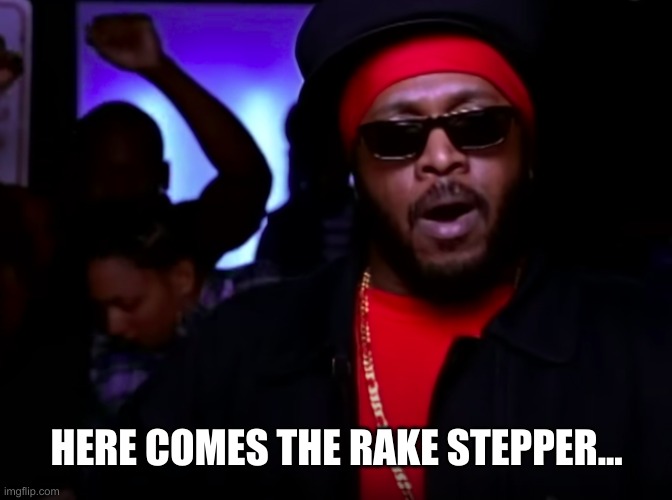 In the wake of the 2024 election and the early months of 2025, the Democratic Party finds itself ensnared in a deepening political crisis, a predicament born from a relentless series of strategic missteps that have steadily eroded its public standing and ignited internal discord. Much like a character in a slapstick comedy doomed to repeatedly step on a rake, the Democrats seem incapable of avoiding self-inflicted wounds, their focus on issues misaligned with voter priorities leaving them vulnerable to relentless Republican attacks and the growing disillusionment of their own base. The fallout from these poor choices—most glaringly evident in their fumbling response to the U.S. airstrikes on Iran, their mishandling of immigration policies, and their disconnect on economic and cultural priorities—casts a long shadow over their prospects for the 2026 midterms and beyond. The party’s predicament has reached a critical juncture, with recent events amplifying their woes.
Foreign Policy Fumbles: The Iran Conundrum and the Rake of Inconsistency
The Democrats’ response to President Donald Trump’s “Operation Midnight Hammer” airstrikes on Iran’s nuclear facilities serves as a quintessential example of their chronic missteps, a moment where they’ve once again stepped squarely on a political rake. The precision strikes, targeting Fordow, Natanz, and Isfahan, were widely hailed for neutralizing Iran’s nuclear threat, with even some Democrats like Sen. John Fetterman praising the operation’s decisiveness. Yet, prominent party figures, including Reps. Ro Khanna, Alexandria Ocasio-Cortez, and Ilhan Omar, swiftly pivoted to push a War Powers Resolution to curb Trump’s authority, branding the strikes as escalatory and unauthorized. This effort, backed by Rep. Thomas Massie (R-KY), drew sharp criticism for seemingly undermining national security amid heightened global tension, especially as Iran’s parliament voted to close the Strait of Hormuz, threatening global oil supplies.
If TACO Trump is already folding on Iran, the American people need to know about it.
— Chuck Schumer (@SenSchumer) June 2, 2025
No side deals. pic.twitter.com/T4gnekrGhT
Take Senate Majority Leader Chuck Schumer as a prime example of this self-inflicted blunder. Just weeks ago, Schumer leaned into the Democrats’ failed “TACO Trump” narrative—mocking Trump Always Chickens Out—suggesting he was “already folding on Iran” in a widely circulated video. This jab, complete with a superimposed “If TACO Trump is already folding” caption, aimed to paint Trump as weak amid rising tensions. Yet, with the successful execution of “Operation Midnight Hammer,” Schumer and his party were forced into an abrupt about-face, demanding a War Powers Resolution to rein in Trump’s authority. This whiplash from taunting Trump’s supposed cowardice to decrying his decisive action exemplifies the Democrats’ knack for stepping on their own rake, undermining their credibility and exposing a lack of cohesive strategy. Critics, including former DNC operative Dan Turrentine in an X post, lambasted the party for “unhinged calls for impeachment” over the strikes, urging them to support a mission aligned with their decades-long principle of preventing Iran’s nuclear ambitions. Turrentine’s plea, echoed by former Rep. Harold Ford Jr.’s praise for Trump’s resolve, underscores a party divided—some celebrating the strikes, others condemning them—further alienating voters who prioritize strong national security. This discord, amplified by X posts and analyses from Townhall and PJ Media, feeds into Republican narratives of Democratic weakness, a perception that cost them dearly in 2024 as working-class voters shifted rightward.
Immigration: A Self-Inflicted Wound
The Democrats’ handling of immigration under the Biden administration has emerged as another critical liability, another instance where their policy choices have backfired spectacularly. Reports from Townhall and RedState reveal that 1,272 Iranian nationals who illegally crossed the U.S. southern border were released into the country between 2021 and 2023, a stark contrast to zero releases under Trump. This lax policy, compounded by over 250 terrorist watchlist encounters at the border, has stoked fears of sleeper cells, particularly in the wake of the Iran strikes. Former Border Czar Tom Homan sounded the alarm on heightened national security risks, a concern magnified by a DHS National Terrorism Advisory Bulletin warning of potential Iranian cyberattacks and extremist violence in the U.S.
The political fallout is undeniable. A Reuters/Ipsos poll found that 86% of Democrats prioritize changing the tax code to make wealthy Americans and corporations pay more, yet only 72% believe party leaders focus on this, with immigration relegated to a secondary concern. The Washington Post noted that Biden’s failure to address the surge in border crossings early in his term fueled a rightward shift among Black and Hispanic voters, who increasingly view immigrants as straining resources. Democrats’ initial resistance to tougher border policies, driven by progressive factions, delayed reforms until the damage was irreparable, leaving them exposed to Republican attacks branding them as soft on law and order—a narrative Trump leveraged effectively in 2024 and continues to wield.
Economic Disconnect and Cultural Missteps
Beyond foreign policy and immigration, Democrats face a profound disconnect on economic and cultural issues, further widening the gap with their traditional base. The New York Times reported that the party’s approval rating sank to 27% in an NBC News poll, the lowest since 1990, signaling a cultural and political rejection post-2024. Their emphasis on issues like transgender rights and electric vehicles, as highlighted in the Reuters/Ipsos poll, clashes with working-class voters’ focus on “kitchen table” concerns such as inflation and cost of living. California Gov. Gavin Newsom acknowledged this disconnect on his podcast, admitting that voters feel Democrats are not addressing their core economic needs.
The party’s image as elitist and college-educated, as noted by The Washington Post, has alienated non-college-educated voters, a demographic Republicans have steadily courted. The 2024 election saw Trump secure the popular vote for the first time, driven by significant shifts among young people, Black voters, and Latinos—groups once reliably Democratic. The Atlantic’s article on the party’s gerontocracy highlights aging leaders like 88-year-old Eleanor Holmes Norton clinging to power, stifling fresh perspectives and reinforcing perceptions of a stagnant party unable to adapt to a changing electorate.
Protests and the Ghost of 2020
The Democrats’ cautious response to protests in Los Angeles against Trump’s immigration raids and National Guard deployment reflects lessons from the 2020 George Floyd protests, yet another area where their footing seems unsteady. The New York Times reported that Democrats, scarred by the backlash to their 2020 support for defunding police, now urge protesters to remain peaceful to avoid bolstering Trump’s narrative of liberal lawlessness. Incidents like the arrest of Sen. Alex Padilla and New York City Comptroller Brad Lander during immigration-related clashes have raised their profiles but risk reinforcing Republican accusations of Democratic tolerance for disorder. Rep. Lou Correa’s call for peaceful demonstrations underscores the party’s delicate balancing act, but vivid images of burning self-driving cars in L.A. threaten to overshadow their message and further tarnish their reputation.
Internal Strife and Leadership Woes
The Democrats’ internal divisions only compound their challenges, laying bare a party struggling to find its footing. The Washington Post’s analysis by Galston and Kamarck highlights the loss of working-class voters and the party’s reliance on college-educated elites, a trend corroborated by Gallup’s data showing Republicans leading in voter identification (48% vs. 45%). The party’s failure to dissuade Biden from running in 2024, despite concerns about his age and health, remains a festering wound. David Plouffe’s candid remark, quoted in The Washington Post, that Biden “f—ed us” by running, reflects lingering resentment that undermined Kamala Harris’s campaign. The push for younger leadership, evident in debates over the House Oversight Committee’s top Democrat, clashes with the party’s gerontocracy, with figures like Chuck Schumer facing pressure to step down after backing a GOP funding bill.
Looking Ahead: A Daunting Road
The Democrats’ path to recovery is fraught with structural obstacles that seem insurmountable without a radical shift. The New York Times noted that the 2026 Senate map heavily favors Republicans, with most seats up for election in states Trump dominated. Despite Schumer’s optimistic rhetoric about retaking the Senate, the party’s dependence on aging leaders and inability to reconnect with working-class voters could stymie any hopes of upsets in red states. The Reuters/Ipsos poll underscores Democrats’ yearning for new leadership and a focus on pocketbook issues, yet their persistent focus on cultural battles and opposition to Trump risks alienating the moderate voters they need to win back.
In conclusion, the Democratic Party’s political fallout stems from a series of poor choices—opposing popular national security actions, botching immigration policy, and prioritizing elite-driven issues over economic concerns. As they navigate protests, internal strife, and a shifting electorate, Democrats must break free from their habit of stepping on the political rake. Without a decisive pivot to voters’ core concerns, the party risks languishing in the wilderness, powerless to counter a resurgent Republican coalition. The clock is ticking loudly.
