
SAWA: The Sneer at American Workers
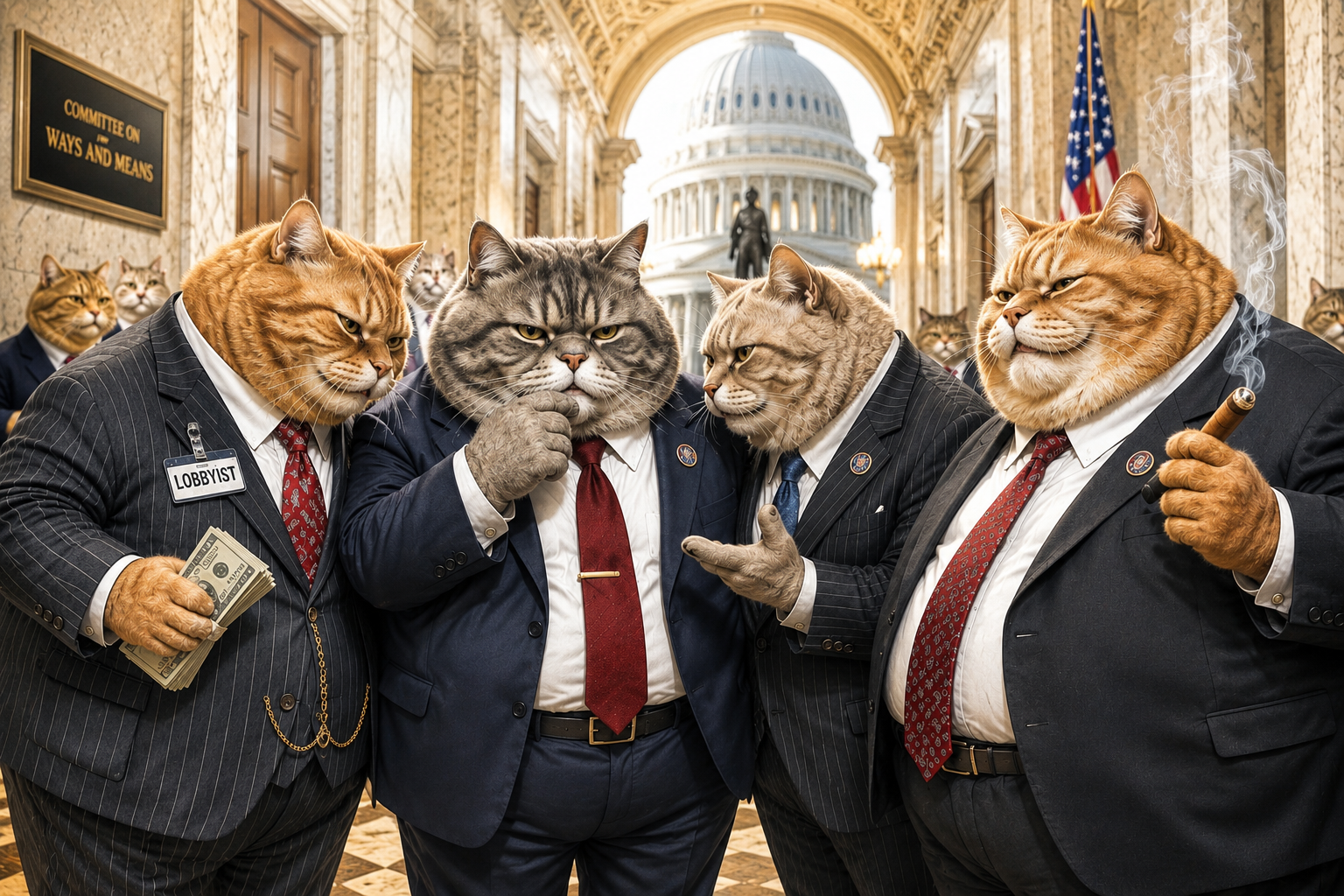
In April I went through the DIGNIDAD Act section by section and called it what it is: an awful amnesty bill slicker and roughly four times larger than the 1986 Simpson-Mazzoli scam. It still sits in committee. It should die there.
Now comes the industry-specific sequel. H.R. 9535, the Securing Agriculture’s Workforce Act of 2026, introduced by House Agriculture Chairman G.T. Thompson, arrives wrapped in the language of modernization and food security. Supporters insist it contains no pathway to citizenship. They call it practical reform so farmers can secure a legal workforce.
SAWA is the same playbook applied to one powerful lobby: legalize the existing illegal agricultural workforce under a temporary label, immunize the employers who hired them, expand and smooth the H-2A program, and dare critics to use the word amnesty. The operating assumption that makes the entire structure possible is the old George W. Bush-era lie that there are “jobs Americans won’t do.” That sneer is the thesis of this bill. These congressional weak sisters treat American workers as the problem to be managed around rather than the constituency to be defended.
The Waiver Is the Amnesty
The heart of SAWA is a waiver of multiple grounds of inadmissibility and deportability. Aliens who were unlawfully present on May 31, 2026, and who can claim at least 180 days of agricultural work in the prior two years become eligible for H-2A status without leaving the country. The bill waives unlawful presence, entry without inspection, and related grounds so that people who broke the law can step into legal temporary status.
This is not “modernizing” a visa program. It is legalization for a favored industry’s preferred labor pool. Calling it a waiver for H-2A classification is the same linguistic dodge María Elvira Salazar used with “Dignity Status.” The 1986 amnesty at least admitted what it was doing. This one hides behind temporary-visa language while achieving the same practical result for the agricultural sector.
Employer Get-Out-of-Jail-Free Card
The bill explicitly protects employers from liability under the employer-sanctions statute for the prior unlawful employment of these workers. It allows them to continue employing the aliens while applications remain pending. Employment records provided to help workers qualify cannot be used against the employers in civil or criminal proceedings.
This is moral hazard written into statute. It tells every agricultural employer: keep hiring illegally; when the next “reform” arrives, Congress will clean it up and shield you. The same industry that spent decades employing illegal labor now receives legal immunity for having done so. American workers receive no comparable protection or preference.
“Temporary” Redefined into Long-Term
SAWA redefines temporary as contracts lasting less than 350 days. Labor certifications can run up to three years. Subsequent employment petitions are streamlined. Workers can transfer between certified employers with minimal interruption. Staggered entry and exit become routine.
A renewable, transferable, multi-year nonimmigrant status for people already present is not temporary in any meaningful sense. We have watched this pattern with Temporary Protected Status. Haiti’s designation lasted sixteen years before the Trump administration finally terminated it. Once a large cohort enters a renewable legal status with deep industry dependence and judicial avenues available, the next expansion becomes the path of least political resistance. SAWA builds that dynamic directly into the H-2A program.
Housing and the Rest of the Privileges
The bill requires employers to provide housing that meets specified standards. That obligation exists primarily for the foreign H-2A workers. A limited extension covers U.S. workers in corresponding employment who cannot reasonably return home the same day. Most American agricultural workers live locally and receive nothing. The concrete, costly requirements (housing, transportation, adjusted wage methodologies) are structured around facilitating foreign temporary labor. American workers receive only residual non-discrimination rules on the same job orders.
The Names
Look at who signed on. G.T. Thompson is the lead. He is joined by a long list of Republicans who talk a strong game on the border until the agricultural lobby calls. Pete Sessions of Texas went on Fox News’ Big Weekend Show to defend the bill. The chyrons read “America Last” and “Bill Aims to Give H-2A Status to Illegal Farm Workers.” The exchange grew heated. Sessions left with egg on his face.
🚨 JUST IN: THINGS GOT HEATED ON THE BIG WEEKEND SHOW@PeteSessions defends to @TomiLahren & @Johnny_Joey his support for a Republican-led bill granting temporary legal status to foreign farmworkers. pic.twitter.com/jv5CCkuwwj
— The Big Weekend Show (@BigWeekendShow) August 1, 2026
María Elvira Salazar, the same member who authored the DIGNIDAD Act, is a cosponsor. So are Dan Newhouse, Mike Simpson, David Valadao, Michael McCaul, Monica De La Cruz, Lloyd Smucker, Claudia Tenney, Derrick Van Orden, Don Bacon, Austin Scott, and a collection of others who have decided that American workers are the obstacle rather than the priority. A handful of Democrats provide the bipartisan cover.
These are not serious legislators solving a labor-market problem. They are weak sisters who have internalized the lobby’s narrative. They would rather manage a permanent foreign workforce than restore a market that values citizens.
The Sneer Is the Policy
Americans will do any job for a fair wage. The claim that they will not is a lie designed to justify undercutting them. When employers gain reliable access to foreign labor that is more controllable and less likely to complain, they have little incentive to raise pay or improve conditions. Policy then points to the resulting shortage of willing American applicants as proof that foreigners are required. The dependency becomes self-justifying.
SAWA feeds that narrative beast. It legalizes a portion of the illegal workforce, protects the employers who created the dependency, expands the guest-worker pipeline, and calls the result modernization. It treats the domestic labor force as inadequate or unwilling rather than as workers responding rationally to suppressed wages and conditions created by decades of easy foreign labor.
The 2024 election delivered a mandate for enforcement and the rule of law, not for industry-specific amnesties dressed up as temporary visas. DIGNIDAD tried to legalize millions across the economy and call it dignity. SAWA tries to legalize the agricultural portion and call it workforce security. Both create the constituency, the industry dependence, and the judicial openings that make the next expansion almost inevitable.
SAWA must die.
