
Unpacking SD9’s Flip and the Path to November Victory
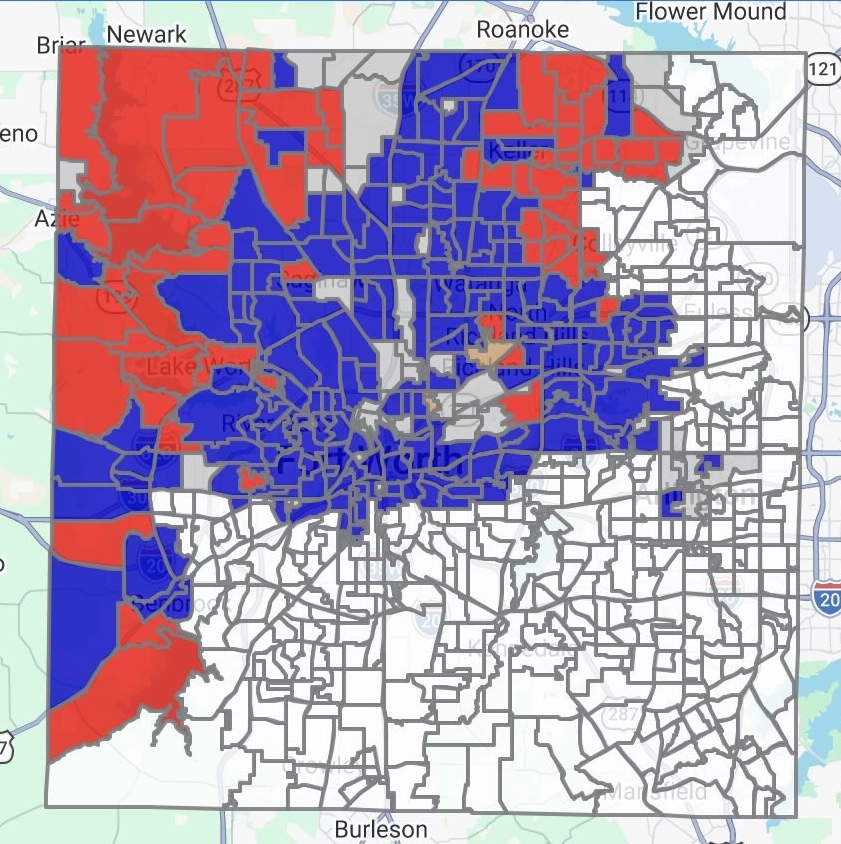
Folks, let’s dispense with the illusions from the start: the Democratic squeaker in Texas Senate District 9’s January runoff isn’t a harbinger of doom-it’s a textbook case of Republican complacency meeting Democratic opportunism, and it’s as temporary as a January cold snap in Tarrant County. As a veteran Republican operative who’s called more than a few shots in the Lone Star State, I’ve watched these off-cycle flips play out like clockwork, and the pattern holds: when Republicans assume a red district will hand them victory on a silver platter, Democrats swoop in with their unified machine. But here’s the reality check-disguised as nothing more than facts: these gains evaporate in the heat of a general election, leaving the victors with little more than a symbolic seat warmer until the real fight begins.
Take SD9 as our prime exhibit. The seat opened up when Kelly Hancock stepped aside in June 2025 to take the comptroller gig, prompting Governor Abbott to call a special under Texas code. November’s first round saw Democrats’ Taylor Rehmet snag 47.6 percent, while Republicans split the rest-Leigh Wambsganss at 35.9 and John Huffman at 16.5-pushing it to a runoff. Come January 31, 2026, amid frigid temps and turnout that barely cracked 15 percent, Rehmet edged out Wambsganss 57.2 to 42.8. Low engagement, internal GOP fractures from that contested primary, and a standalone special in the dead of winter: these aren’t omens of a blue wave, they’re the ingredients for a one-off upset. Dana Loesch nailed it in her thread-living in the district herself, she called out the “split GOP fight” that handed Rehmet the edge, but stressed he’d hold it only until December, with a rematch looming in ’26. And me? I broke it down the same way: chill, folks-it’s symbolic, meaningless, and Republicans reclaim it in November, especially if Huffman’s recent signals pan out and he bows out, unifying the field against an unopposed Rehmet in the Democratic primary.
This isn’t isolated to Texas-it’s the same story writ large in off-year debacles where GOP voters hit the snooze button. Look at Virginia in 2025: Abigail Spanberger’s 57.6 percent rout of Winsome Earle-Sears wasn’t just a gubernatorial flip; it cascaded into a Democratic trifecta, ballooning their House of Delegates majority to 64-36. Northern Virginia’s federal-heavy burbs drove the margin, fueled by backlash to cuts under the current admin, but the real culprit? Republican turnout lagged, assuming the commonwealth’s recent red tilts would carry the day without effort. The races might’ve stayed blue, sure, but those overwhelming spreads-15 points and change-amplified down-ballot damage that higher GOP show-up could’ve mitigated. New Jersey echoed it: Mikie Sherrill’s 56.9 percent thumping of Jack Ciattarelli expanded Democratic holds to supermajorities, with turnout spikes on affordability issues rewarding their motivation while Republicans banked on inevitability in a competitive state. And don’t forget the specials-Democrats netted seven legislative seats in ’25 across Georgia, Iowa, and beyond, often in ruby-red turf, simply because motivated blues outhustled complacent reds.
Yet here’s where the warning morphs into opportunity, as Leigh Wambsganss echoed on the Mark Davis Show-and as I’ve hammered home myself: when Republicans don’t vote, Democrats win. It’s a truism as old as the hills, but SD9 drives it like a stake through the heart of overconfidence. Believing a Republican district elects a Republican candidate by osmosis? That’s the illusion we must shatter. These losses sting precisely because they showcase the stakes-handing seats to folks like Rehmet who won’t even cast a vote in session, since the 89th adjourned and the 90th doesn’t convene until January 12, 2027. It’s a teachable moment: the base sees the fallout, gets fired up, and turns out in droves for the generals. Democrats, true to form, always overreach post-win-alienating moderates with policy swings that scream “too far,” setting up backlash in midterms like ’26.
Of course, skeptics might counter that these shifts could stick if demographics keep evolving in suburbs like SD9’s slice of DFW, or if Democratic energy sustains. Fair point, but the data begs to differ: SD9’s been GOP-held since 2012 with margins north of 55 percent, and off-year anomalies fade in full cycles-witness the district’s +17 for Trump in ’24. Overreactions labeling this a midterm bellwether? Pure red herring-turnout estimates and post-election surveys underscore complacency, not destiny. Limitations aside, like the lag in precise voter data, the narrative holds: these are not enduring blue footholds but GOP wake-up calls.
In the end, off-year Democratic grabs like SD9 are products of our own turnout lapses and divisions, but they pack minimal punch-zero legislative impact, maximal motivation for the base. For 2026 and beyond, the implication is crystal: victory demands action, not assumption. Republicans have the edge in red turf; we just need to mobilize it. I’ve called it before-Democrats will cave to their excesses, and we’ll reclaim what’s ours. Chill, strategize, and vote.
