
Jail Access in Minnesota Could Be His Smartest Immigration Victory Yet
The last few weeks in Minnesota have been a textbook case of federal-state tension spiraling into chaos. Operation Metro Surge brought thousands of ICE, Border Patrol, and other federal agents into the Minneapolis-St. Paul area starting in December 2025, targeting criminal non-citizens and investigating allegations of massive welfare fraud. The operation quickly turned ugly: two fatal shootings of U.S. citizens by federal agents-Renée Good on January 7 and Alex Pretti on January 24-sparked widespread protests, hotel break-ins targeting agents, doxxing attempts, and furious accusations from Gov. Tim Walz and Mayor Jacob Frey that the feds were conducting an “occupation” and employing “organized brutality.” Lawsuits flew, bipartisan criticism mounted, and the situation looked primed for further escalation, including talk of invoking the Insurrection Act.
Yet in the middle of this storm, President Trump has positioned himself as the adult in the room. Instead of digging in with more agents or declaring martial-law-style powers, he chose dialogue and de-escalation. On Monday, Trump publicly described having “very good” and “productive” phone calls with both Walz and Frey. He noted they were “on a similar wavelength,” stressed that “the present situation cannot continue,” and offered a clear trade: if Minnesota cooperates on “common-sense measures”-specifically honoring ICE detainers and allowing federal agents into county and city jails to screen and take custody of criminal non-citizens already in custody-then the heavy, visible federal footprint could be significantly reduced. Some agents, including Border Patrol Commander Greg Bovino, are already departing or shifting roles as part of this tactical reshuffle.
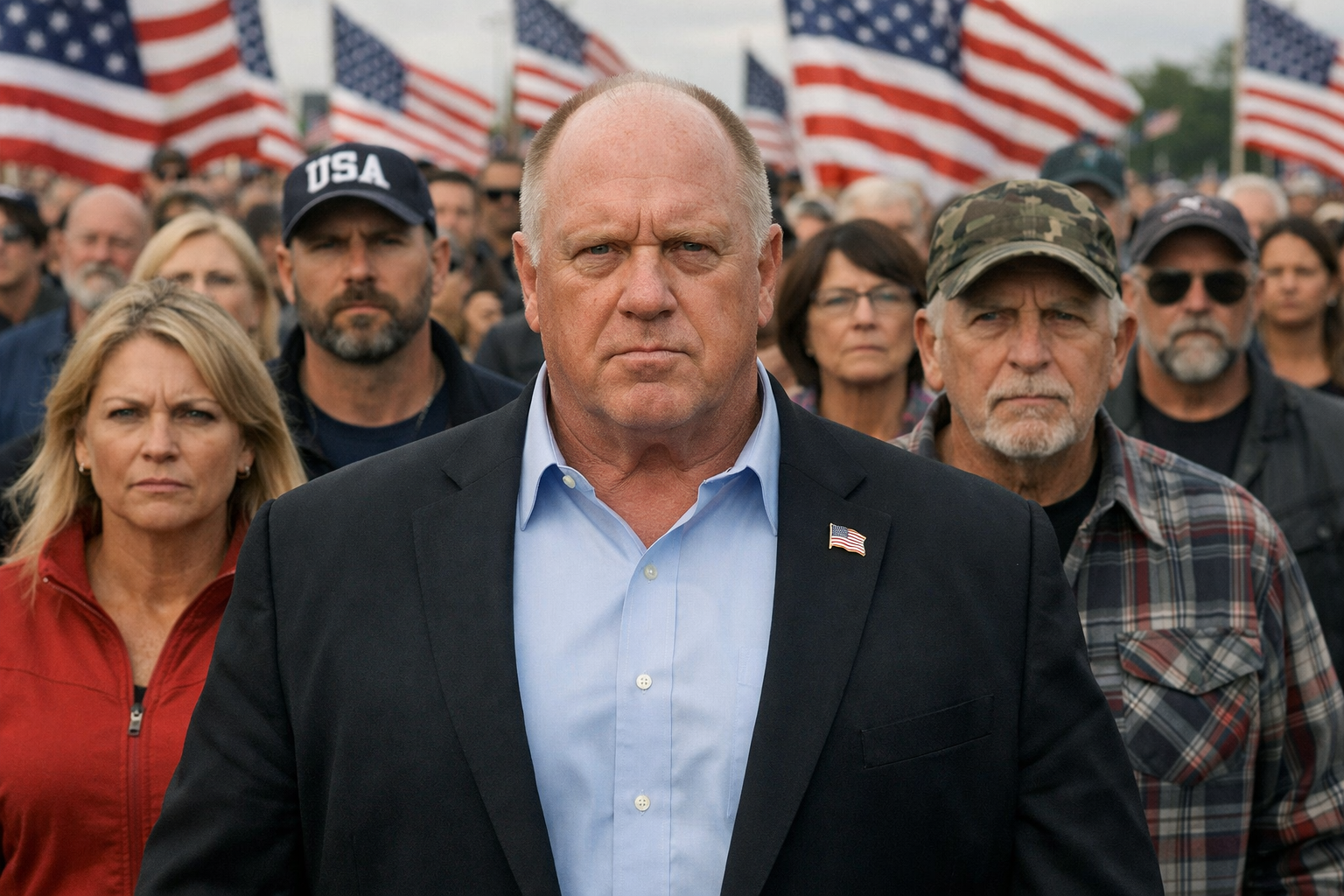
This is not weakness; it is calculated maturity. Trump dispatched border czar Tom Homan-a blunt, results-driven veteran who ran ICE under both the Obama and first Trump administrations-to take direct, on-the-ground command of ICE operations, reporting straight to the president. Homan’s arrival consolidates efforts at more secure locations, including Fort Snelling (recently approved by Defense Secretary Pete Hegseth for agent lodging, staging, vehicle parking, and air-asset support). The goal is clear: protect operators from street-level harassment and mob actions while sharpening focus on the “worst of the worst” criminal aliens and the welfare-fraud investigations that helped launch the surge. Homan is scheduled to meet with Mayor Frey (and likely representatives from Gov. Walz’s office) on Tuesday to press the central demand: routine access to jails in Hennepin and Ramsey counties for inmate screenings and detainer handoffs.
If Homan secures this access-even partially-it represents a massive operational victory for Trump’s immigration agenda, achieved without invoking the Insurrection Act, deploying active-duty troops, or triggering Posse Comitatus concerns. Right now, Minnesota’s non-cooperation forces ICE into risky, high-profile field arrests in neighborhoods and public spaces. Those tactics have directly contributed to the protests, shootings, and public backlash. Jail access changes the equation: agents can safely process inmates who already have criminal records or fraud ties, obtain quick handoffs, accelerate deportations, and dig deeper into welfare scandals-all with far less street-level drama. It delivers exactly what Trump promised: prioritizing dangerous criminals first, advancing mass-deportation goals, and setting a powerful precedent for other sanctuary jurisdictions in California, New York, and beyond.
Politically, the move is a coup. Walz and Frey have built their resistance around sanctuary-style policies, publicly condemning the surge while refusing measures that would remove criminal non-citizens from their jails. Trump’s willingness to talk-and to tie de-escalation to cooperation-flips the narrative from “federal overreach” to “state obstruction endangering public safety and agents.” The optics are brutal for Democrats: they claim to value safety but block the removal of known threats, prolonging the very chaos they decry. If concessions emerge from tomorrow’s meetings (enhanced detainer honoring, limited jail entry), it humiliates sanctuary holdouts and hands Republicans potent midterm messaging. Even if Walz and Frey resist fully, Trump retains leverage to keep pressing-while looking like the statesman who tried reason first.
Critics portray Homan’s dispatch and the agent drawdowns as a retreat or admission that the aggressive tactics failed. That misreads the play. This is consolidation: fewer vulnerable hotel stays, more protected basing, targeted enforcement, and dialogue-backed leverage. Trump’s adult approach-escalating only as needed, de-escalating when possible-delivers results without unnecessary mayhem.
Watch Tuesday closely. If jail access opens, Trump achieves a quiet, high-impact win: deportations accelerated, fraud exposed, chaos reduced, all while demonstrating that maturity and strategy beat bluster and obstruction every time. In today’s polarized climate, that’s leadership.
