
MLB’s Selective War on Christian Conscience
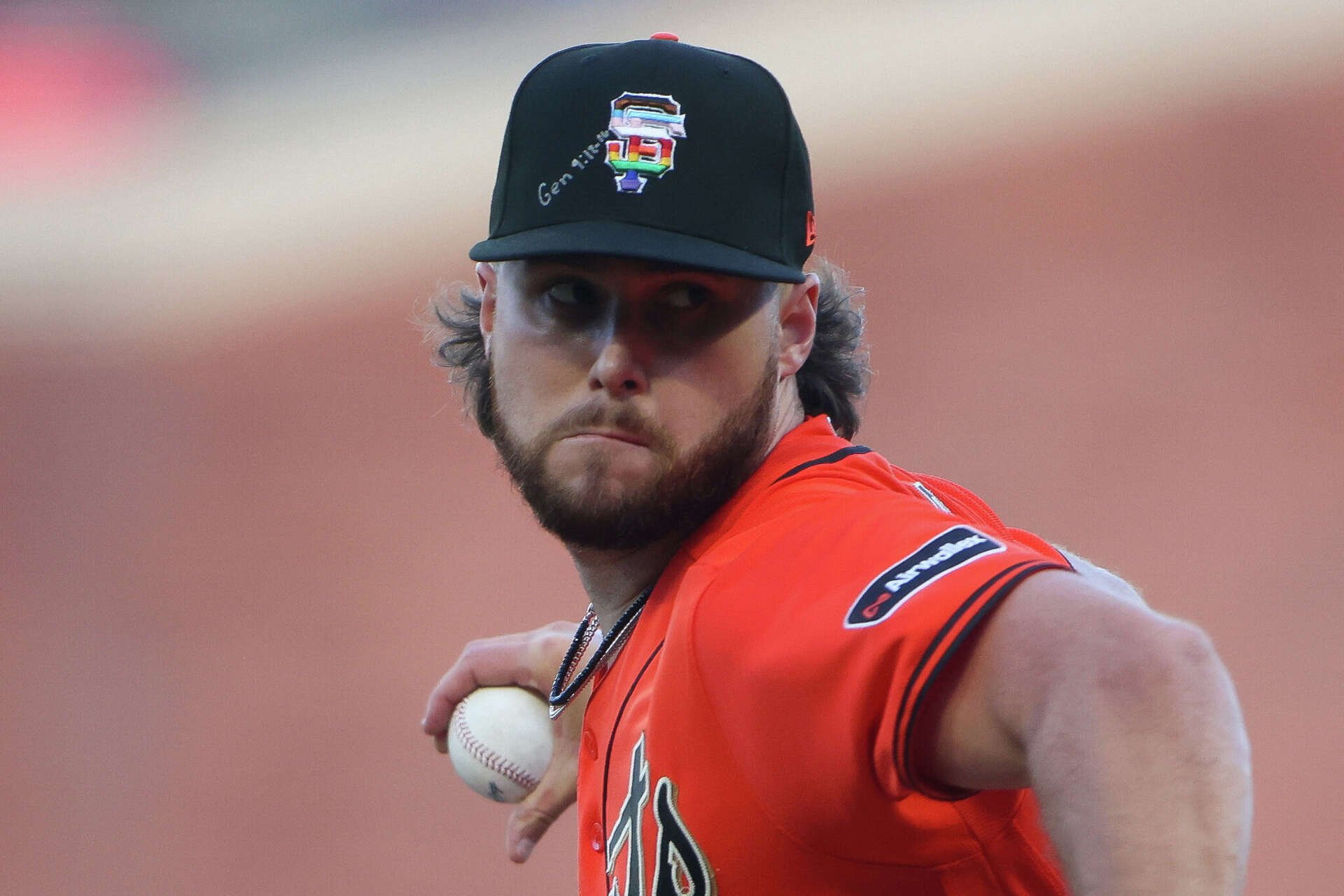
Just days ago, three San Francisco Giants pitchers—Landen Roupp, JT Brubaker, and Ryan Walker—took the mound during the team’s Pride Night wearing the league-issued rainbow caps. They did not protest. They did not disrupt the game. They simply added a quiet inscription in white: “Gen 9:12-16.”
That passage from the Book of Genesis carries the original meaning of the rainbow. God declares to Noah:
“This is the sign of the covenant that I make between me and you and every living creature that is with you, for all future generations: I have set my bow in the cloud, and it shall be a sign of the covenant between me and the earth. When I bring clouds over the earth and the bow is seen in the clouds, I will remember my covenant that is between me and you and every living creature of all flesh. And the waters shall never again become a flood to destroy all flesh. When the bow is in the clouds, I will see it and remember the everlasting covenant between God and every living creature of all flesh that is on the earth.” (Genesis 9:12-16)
No hate. No disruption. Just a faithful reminder of God’s covenant of mercy, order, and restraint after judgment. MLB responded with a formal verbal warning for violating uniform rules against any writing or markings. The Giants issued an apology to LGBTQ fans for the “pain” caused. One pitcher, Sam Hentges, simply wore the standard cap and faced no apparent penalty.
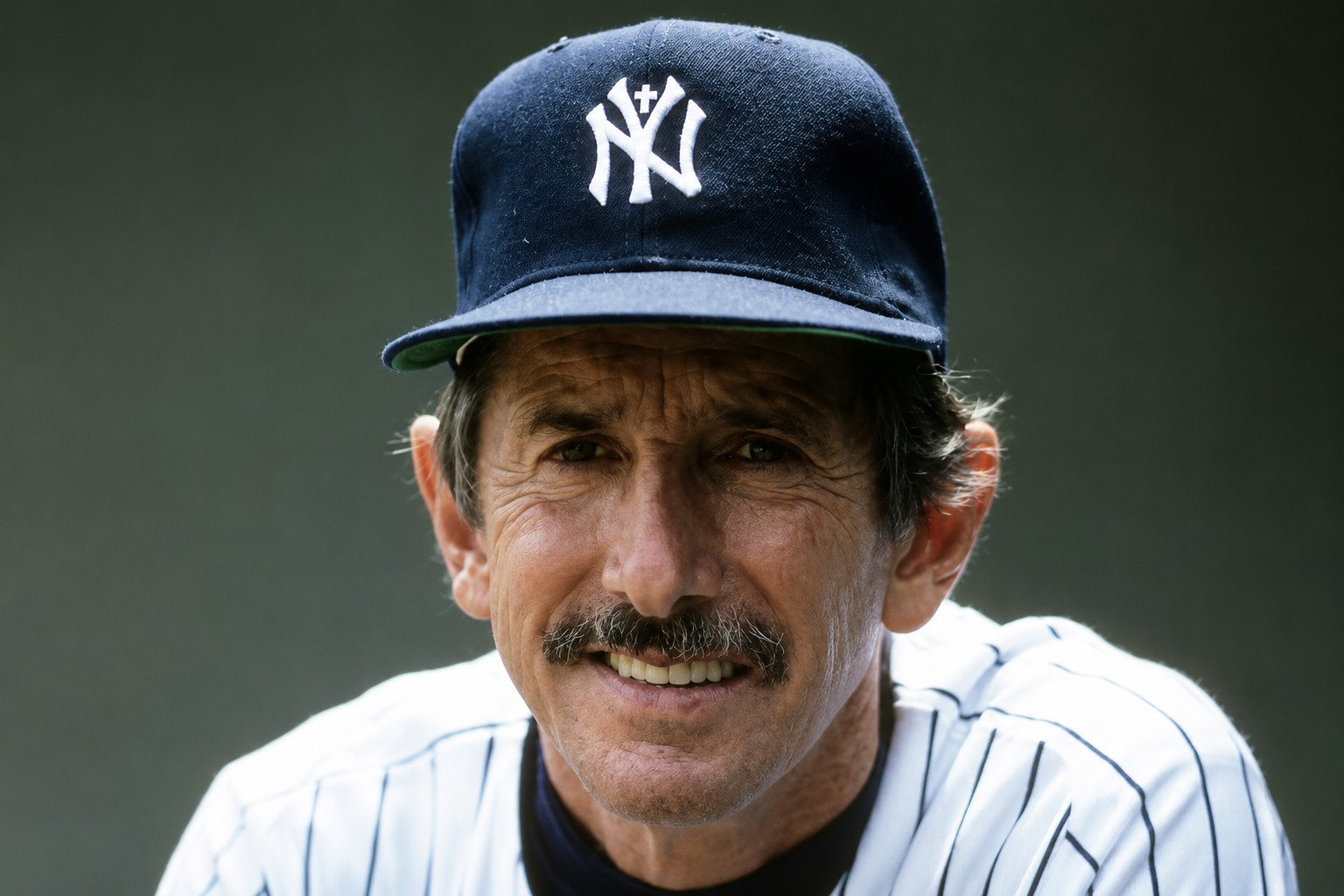
This was no isolated overreach. One year earlier, Dodgers legend Clayton Kershaw did the exact same thing during the Dodgers’ Pride Night. He inscribed “Gen 9:12-16” on his rainbow cap. Kershaw caught far less institutional heat—likely because he is Clayton Kershaw, a future Hall of Famer with proven character and stature. The league looked the other way, or at least dialed back the response. Decades before that, Yankees manager Billy Martin wore a cross pin on his cap for years, openly stating, “I’ve been wearing a cross on my cap ever since I began playing baseball. All it means is I’m a Christian.” He even wore three at times. No warnings. No apologies from the team. The uniform rules existed then, too, but discretion allowed visible Christian faith.
The Rangers Chart a Better Path
As a lifelong Texas Rangers fan, I take pride that my team refuses this compelled mess. The Rangers stand alone in MLB as the only franchise that has never hosted a Pride Night. Instead, they host Faith & Family Night this week featuring personal testimonies from players like Wyatt Langford, Josh Jung, Cody Bradford, Jacob Latz, Jalen Beeks, and others who share how faith shapes their lives on and off the field. No rainbow compulsion. No selective policing of conscience. Just baseball serving the whole community in the spirit of Texas pluralism.
This stands in stark contrast to the rest of the league’s march toward mandatory ideological participation. MLB and its teams actively schedule Pride Nights, distribute rainbow gear, promote the events with heavy signage and programming, and integrate them into the game-day experience. Players receive the themed caps as part of their uniform. Opting out quietly draws varying tolerance, but reclaiming the rainbow’s biblical meaning triggers warnings. That is not content-neutral enforcement. It is compelled speech wrapped in corporate branding, with selective punishment for dissent.
The Pattern of Discrimination
The evidence mounts. Undercover footage from the Washington Nationals captured Director of Community Relations Sean Hudson describing Catholic pitcher Trevor Williams as “super Christian-Catholic” with meaningful tattoos. Hudson explicitly linked Williams’ public criticism of the Dodgers honoring the Sisters of Perpetual Indulgence—a group that mocks Catholic nuns and religious imagery—to the team’s decision to sideline him from social media promotions. The Nationals fired Hudson and apologized, but the admission exposed the mindset: faith-informed conviction gets you benched from community-facing opportunities.
Go back further. In 2020, MLB eagerly relaxed uniform and equipment rules for Black Lives Matter patches, “United for Change” messaging, mound stencils, and social justice slogans on cleats. The league turned ballparks into billboards for one side’s contested political vision. Yet when Christian players reference Scripture during Pride events, the rulebook suddenly snaps shut.
Hawley’s Antitrust Shot and the 2021 Virtue Signal
Senator Josh Hawley fired a direct shot across Commissioner Rob Manfred’s bow in his Tuesday letter. He demands the full text of the uniform regulations, five years of enforcement examples, policies on religious expression in promotions, details on Pride participation expectations, and a clear accounting of how the league approved BLM-style messaging while cracking down here. Hawley rightly invokes MLB’s unique antitrust exemption—a judicially created privilege no other league enjoys—and warns that it does not shield religious discrimination. He calls for answers by Friday. Manfred does not want congressional hearings on this. The prospect should yank the MLB’s chain hard.
What does MLB think it’s doing penalizing players for their Christian faith?
They owe us some answers. Right now. pic.twitter.com/yDPmjC6SMZ
— Josh Hawley (@HawleyMO) June 16, 2026
Remember 2021. MLB yanked the All-Star Game from Atlanta—a city with one of America’s largest Black populations—in protest of Georgia’s Election Integrity Act. They relocated it to Denver, a Whiter city. Manfred called it a defense of “values.” Minority-owned businesses in Atlanta took a massive economic hit. The law expanded early voting and secured elections; turnout soared, including among Black voters. The selective outrage and demographic flip exposed the performative nature of it all. Hawley and others pushed legislation to revoke the antitrust exemption then. The same exemption now invites renewed scrutiny over selective faith policing.
Proverbs Warns Us
We remember what Proverbs teaches: “Pride goes before destruction, and a haughty spirit before a fall.” (Proverbs 16:18) The institutional haughtiness here—demanding universal affirmation of one contested ideology while punishing quiet reclamation of sacred symbols—carries the seeds of its own correction. The rainbow does not belong exclusively to any modern movement. It stands as God’s sign of covenant, mercy, and the promise that He restrains total destruction.
Baseball built its power as America’s pastime on shared ground: merit, statistics, stories that transcend divides, competition under clear rules. When it becomes another arena enforcing progressive orthodoxy—compelling participation, sidelining faithful players, and wielding antitrust-protected power for cultural enforcement—it alienates the broad American public that sustains it. Fans notice. Attendance and cultural relevance suffer. Players of conviction, like Roupp, Kershaw, and the Rangers’ faithful, refuse to privatize their faith or smile through events that burden their consciences.
As a father raising teenagers—watching rapid neighborhood changes while teaching them to discern truth and stand on principle—I see these small acts of courage as models. They show young men that fidelity to God’s Word matters more than institutional approval. The Giants pitchers, Kershaw’s precedent, Billy Martin’s crosses, and the Rangers’ deliberate choice point toward restoration: room for authentic faith, family, and genuine inclusion without coercion.
Pride’s last stand may well be unfolding. The haughty spirit overreaches. In its place, a humbler game—and culture—can return, one where the national pastime welcomes the full spectrum of Americans rather than demanding they check their deepest convictions at the ballpark gate. Texas Rangers fans already know the better way. MLB should take note before Congress does it for them.
