
Quick Takes: Monday Matters
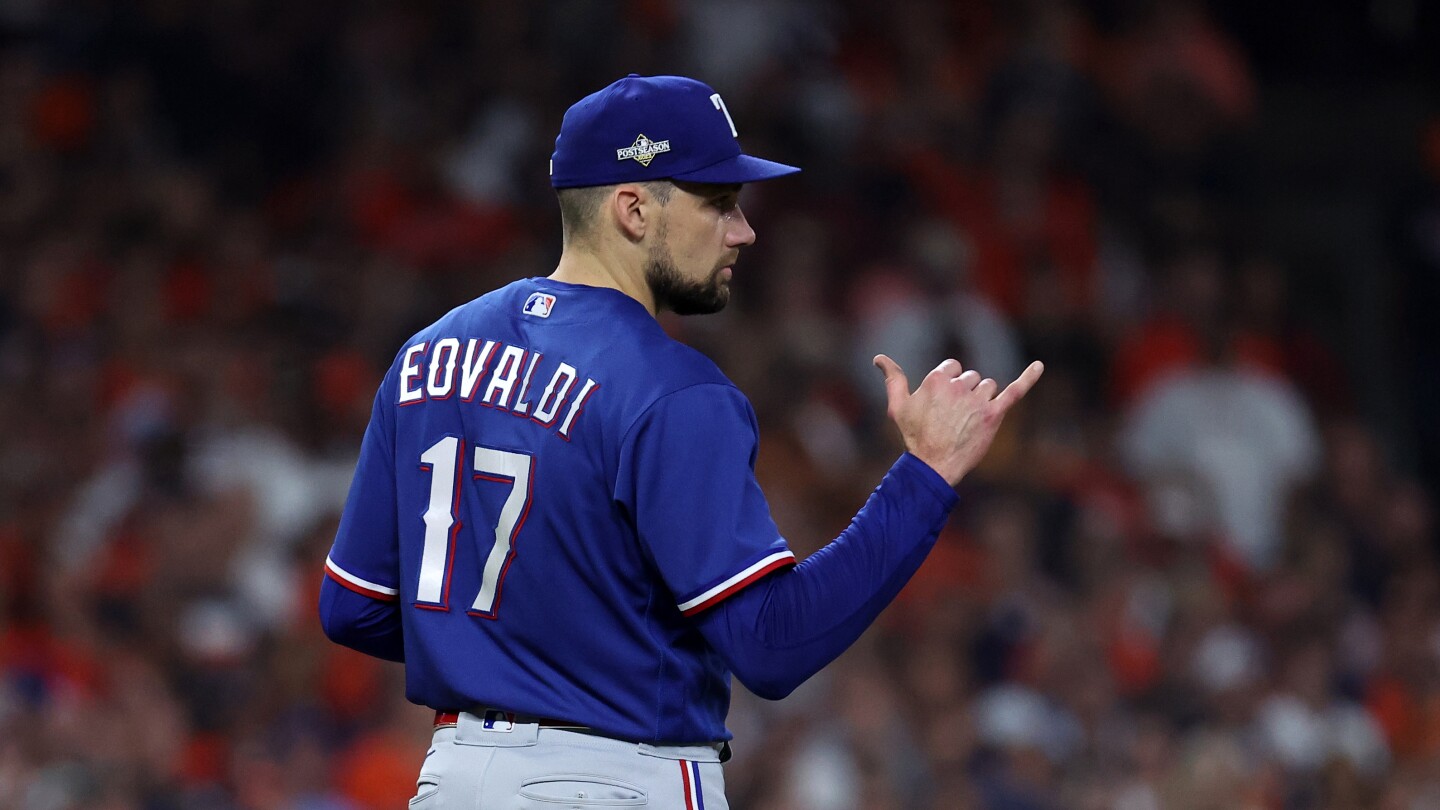
The media landscape is dominated by a series of high-stakes developments. Without further ado, let’s dive into Monday’s Quick Takes. The Biden Autopen Pardon Scandal has erupted, questioning the legitimacy of over 1,500 clemency actions signed with an autopen, amid allegations of unauthorized staff decisions and cognitive decline concerns. Immigration law enforcement tensions have escalated with organized attacks on ICE agents and police, highlighted by the violent Glass House Farms raid and Rep. Salud Carbajal’s alleged doxxing, alongside John Kerry’s surprising endorsement of Trump’s border security stance. Trump’s tariff escalation continues to reshape global trade, leveraging bold threats to secure concessions from the EU, Mexico, and others, bolstered by record revenue and market recovery despite economists’ mispredictions. Meanwhile, the baseball world is abuzz with Nathan Eovaldi’s All-Star snub, as the Texas Rangers pitcher’s stellar stats fuel calls for reform in MLB’s selection process ahead of Tuesday’s game in Atlanta.
The Biden Autopen Pardon Scandal: A Deep Dive into Controversy
In the final weeks of his presidency, former President Joe Biden ignited a major political firestorm by issuing over 1,500 pardons and commutations, including high-profile figures such as Hunter Biden, Gen. Mark Milley, Dr. Anthony Fauci, and members of the Jan. 6 committee. The controversy, now dubbed the “Biden Autopen Pardon Scandal,” revolves around the use of an autopen to sign these clemency actions, raising profound questions about oversight, legality, and Biden’s cognitive capacity to authorize them. A detailed New York Times report on Sunday revealed that Biden did not individually approve each action, with aides like White House Chief of Staff Jeff Zients and staff secretary Stefanie Feldman authorizing autopen signatures. Biden has defended the practice, claiming he orally approved all decisions and labeling Republican critics “liars.” However, critical analysis from Sean Davis and additional context from ongoing investigations provide a deeper look into the scandal. Below is a comprehensive exposition, incorporating Davis’s full analysis alongside broader developments.
Biden’s White House staff and lawyers are in deep trouble for their autopen nonsense. That’s the only conclusion you can come to after reading between the lines of this ridiculous New York Times attempt to defend the unprecedented use of the autopen.
A few nuggets:
There is no… pic.twitter.com/lzaV2opTyK
— Sean Davis (@seanmdav) July 14, 2025
The clemency actions encompass both pardons-erasing convictions for Hunter Biden, Milley, Fauci, Jan. 6 committee members, James B. Biden, Sara Jones Biden, Valerie Biden Owens, John T. Owens, Francis W. Biden, and Liz Cheney-and commutations, reducing sentences for 1,500 home-confined individuals, 2,500 nonviolent drug offenders, and 37 of 40 federal death row inmates. Aaron Walker of Twitchy notes that if these actions are deemed invalid due to improper authorization, as claimed by President Trump, the legal distinction between pardons and commutations may become irrelevant. Sean Davis’s post amplifies these concerns with several key points:
- Lack of Direct Evidence: Davis asserts, “There is no direct contemporaneous evidence that Biden authorized any of the last-minute autopen pardons. All NYT provides is claims from staff that he like totally said the autopen was okay and stuff.” This reliance on staff assertions, without documented proof, casts doubt on the legitimacy of the process.
- Unauthorized Clemency: He further notes, “Biden’s staff admitted Biden did not authorize clemency grants and pardons for multiple named individuals.” This admission suggests that aides may have acted beyond their authority, potentially invalidating those specific actions.
- Document Alterations: Davis highlights a critical procedural flaw, stating, “Biden’s staff admitted to changing documents Biden allegedly authorized and signing them with the autopen without getting the changes approved.” This irregularity raises serious questions about whether proper legal protocols were followed.
- Conflict of Interest: He points to a potential ethical breach, writing, “One of Kavanaugh rape hoaxer Christine Blasey Ford’s attorneys works for one of the major D.C. law firms providing FREE legal services to Biden’s staffers.” This connection suggests a possible conflict of interest that could complicate the scandal further.
- Cognitive Decline Acknowledgment: Davis critiques the shifting narrative on Biden’s mental fitness, noting, “After spending years telling us how mentally fit and competent Biden was, NYT dropped this gem in its story: ‘Age-related cognitive decline is a spectrum.’ What a far cry that is from the propaganda being fed to us a year ago about Biden’s mental acuity.” This shift aligns with concerns about his ability to oversee such a vast clemency effort.
- Top Lawyer’s Resignation: Finally, Davis ties the scandal to internal strife, stating, “Also: Biden’s top White House lawyer quit due to all of the Hunter Biden shenanigans, including the ridiculous pardon he received.” This resignation, linked to Hunter Biden’s pardon on December 2, 2024-reversing Biden’s earlier pledge-has resurfaced as a focal point in the investigations.
Trump has labeled these pardons “void” and “vacant,” alleging Biden was unaware of the autopen’s use, prompting swift action. The House Oversight Committee, led by James Comer, launched an investigation on July 12, 2025, issuing subpoenas to aides like Neera Tanden, who admitted to directing autopen signatures from 2021–2023. The DOJ, under interim U.S. attorney Jeanine Pirro, began a parallel probe focusing on the legitimacy of over 1,500 clemency actions. While autopen use has been recognized by the Justice Department since the 1970s, including by Trump, its unprecedented scale here has drawn scrutiny, as noted by AP News (June 6, 2025). Legal experts like Kent Greenfield from Boston College argue that pardons remain valid if authorized, but unauthorized alterations could nullify them, per the New York Times.
The scandal has intensified with resistance from some aides, such as Jill Biden’s aide Anthony Bernal, who have declined to testify. X posts alleging constitutional violations have fueled public outrage, while the resignation of Biden’s top lawyer in late 2024-tied to Hunter’s pardon-adds to the ethical quagmire. As of this morning, the legitimacy of these clemency actions hangs in the balance, with investigations poised to determine whether Biden’s cognitive state and aides’ actions adhered to constitutional standards. This unfolding saga continues to dominate political discourse, spotlighting accountability at the highest levels of government.
Immigration Law Enforcement and Organized Attacks on ICE and Police
Since January 21, 2025, assaults on ICE agents have surged by 690%, reflecting a sharp escalation in tensions surrounding President Trump’s aggressive immigration enforcement policies. This alarming increase, reported by ICE Dallas acting Field Office Director Joshua Johnson on July 8, 2025, includes high-profile incidents such as a July 5, 2025, ambush outside the ICE Prairieland Detention Center in Alvarado, Texas, where a dozen masked individuals, some in body armor, shot an Alvarado Police officer in the neck and vandalized vehicles and security cameras. Eight suspects face charges of attempted murder of a federal officer, per The New York Times.
Additionally, a McAllen, Texas, shooting targeting a federal agent and a July 10, 2025, raid in Camarillo, California, where protesters threw rocks and one fired a pistol at ICE agents, underscore the growing violence, per Fox News and Newsweek. These attacks, amid 139,000 deportations and heightened border security measures, highlight the volatile climate surrounding immigration enforcement, as noted by DHS and X posts.
President Trump’s aggressive immigration enforcement, a cornerstone of his second term, has led to heightened tensions, including organized attacks on ICE agents and police, a high-profile raid on Glass House Farms in California, allegations of Rep. Salud Carbajal doxxing an ICE agent, and notable comments from former Secretary of State John Kerry affirming Trump’s border security stance. Key developments include:
- Organized Attacks on ICE and Police: In Texas, a July 5, 2025, incident outside the ICE Prairieland Detention Center in Alvarado saw an Alvarado Police officer shot in the neck during an ambush by a dozen masked individuals, some in body armor, who vandalized vehicles and security cameras, per X posts. Eight suspects are in custody, charged with three counts each of attempted murder of a federal officer, per The New York Times. ICE Dallas acting Field Office Director Joshua Johnson stated on July 8, 2025, “We’ve seen a 700% increase in assaults on ICE personnel,” citing a McAllen, Texas, shooting of a federal agent by a “violent activist,” per @ICEgov. In California, during a July 10, 2025, raid in Camarillo, protesters threw rocks, injuring at least one ICE agent who was left bloody, and one protester fired a pistol at agents, per Fox News and Newsweek. The FBI is offering a $50,000 reward for information on the shooter, described as wearing a black T-shirt and white medical mask, per U.S. Attorney Bill Essayli on X.
- Glass House Farms Raid: On July 10, 2025, ICE and federal agents raided Glass House Farms’ cannabis facilities in Camarillo and Carpinteria, California, arresting about 200 suspected undocumented immigrants, including eight to nine unaccompanied minors (eight per DHS, nine per Fox News), per Reuters, The Washington Post, and Fox News. The facility is under investigation for child labor violations, as confirmed by Customs and Border Protection Commissioner Rodney Scott on X. Protesters threw rocks, injuring agents, and one fired a gun at ICE officers, escalating the violence; agents responded with tear gas and less-lethal ammunition, per The Los Angeles Times. One worker died after falling 30 feet from a greenhouse roof, though DHS clarified he was not pursued by agents, per Reuters. Cesar Ortiz, a 24-year-old whose brother was detained, told The Los Angeles Times, “We all have a right to come here and work. Here, we all have a dream, we have to give it our all.”
- Rep. Salud Carbajal’s Alleged Doxxing: On Sunday, ICE accused Rep. Salud Carbajal (D-CA) of doxxing an ICE agent during the Camarillo raid by sharing the agent’s business card with protesters, who then threw rocks, leaving the agent bloody. Carbajal, denied entry to the raid site for oversight, called the operation “disproportionate” and a risk for further violence, per The Los Angeles Times. ICE stated, “Carbajal was part of a violent mob of protestors attempting to obstruct federal law enforcement,” alleging he misrepresented the protesters’ actions. The Gateway Pundit and RedState reported the doxxing claim, though Carbajal’s office has not directly addressed it.
- John Kerry’s Comments: On July 10, 2025, former Secretary of State John Kerry told BBC’s “Reflections” podcast, “Without a border protected, you don’t have a nation. Trump was right. The problem is we all should have been right.” He criticized Democrats for not emphasizing law enforcement, stating, “I wish President Biden had been heard more often saying, ‘I’m going to enforce the law,’” per BBC and Fox News. Kerry’s remarks, a rare Democratic concession, have amplified media discussions on Trump’s border policies, which reduced illegal crossings by 85% in Texas, per Governor Greg Abbott’s office.
- Border Czar Tom Homan Sets the Record Straight: In a recent Politico interview, Border Czar Tom Homan addressed the consequences of illegal immigration, stating, “If you have a kid here and are illegal, that’s on YOU,” emphasizing personal responsibility for decisions made by those entering the country unlawfully.
Border czar @RealTomHoman tells our @DashaBurns, “If you choose to have a US citizen child knowing you’re here illegally, that’s on you.”
Watch Homan’s full interview on this week's episode of #TheConversation👇https://t.co/gD4QbHlsK9 pic.twitter.com/meFobxp6BK
— POLITICO (@politico) July 13, 2025
In a separate CNN interview with Dana Bash, Homan clarified his stance on “reasonable suspicion” for ICE detentions, explaining, “Physical description cannot be the sole reason to detain and question somebody. That can’t be the sole reason to raise reasonable suspicion. It’s a myriad of factors,” and noted that ICE officers undergo Fourth Amendment training every six months to ensure they consider a combination of articulable facts, such as location, occupation, and actions, before detaining someone.
Tom Homan: "I look forward to the DOJ litigating this judge's decision because I think she's making the decision without knowing what that officer knows when they get out of that vehicle to question somebody." pic.twitter.com/6h6urDtTbC
— The Post Millennial (@TPostMillennial) July 13, 2025
- Context and Impact: Trump’s policies, including 21 executive actions and a $170 billion spending bill for border security, have led to 139,000 deportations and 150,000+ arrests since January 2025, per DHS and The White House. Texas’s Operation Lone Star, with 531,100+ apprehensions and 50,600+ criminal arrests, supports ICE raids targeting workplaces like farms, per The New York Times. A federal judge halted some tactics for racial profiling, per The Washington Post, but the raids, violent attacks, and Carbajal’s alleged doxxing are driving national debates on immigration enforcement, with X posts reflecting polarized sentiment.
Trump’s Tariff Escalation and Strategic Negotiating Leverage
President Donald Trump’s tariff announcements, detailed in letters sent to specific countries, reflect his Art of the Deal strategy of using bold threats to maximize negotiating leverage. On July 10, 2025, Trump issued letters to the European Union (27 member states, including Germany, France, Italy, Spain, etc.), Mexico, and Brazil, outlining new tariffs effective August 1, 2025, per Reuters and CNN. The tariff details are:
- European Union (27 countries): A 30% tariff on all imports, including pharmaceuticals, autos, and agricultural goods (e.g., Belgian chocolate, Italian olive oil), separate from existing 50% steel and aluminum tariffs and 25% auto tariffs. The EU, with $605 billion in U.S. imports in 2022, faces pressure due to its €197 billion trade surplus with the U.S. in 2024.
- Mexico: A 30% tariff on all imports, targeting autos, electronics, and agriculture (e.g., avocados, tequila), despite USMCA duty-free provisions. Trump cited Mexico’s insufficient efforts against fentanyl trafficking, impacting its $454.8 billion in 2022 U.S. imports.
- Brazil: A 50% tariff on all imports, including soy, beef, and steel, despite a U.S. trade surplus of $253 million with Brazil in 2024. Trump linked the tariff to Brazil’s trial of Jair Bolsonaro, offering exemptions for Brazilian firms manufacturing in the U.S.
- Other Countries: Letters were sent to 23 additional trading partners, including Canada (35% tariff), Japan, South Korea, Indonesia, and the Philippines (20–50% rates). A 50% tariff on copper imports, affecting China, Chile, Japan, and Congo, was justified for national security.
- Tariff Revenue: May 2025 tariffs generated $15 billion, June 2025 tariffs generated $27 billion in monthly revenue, a 301% increase from June 2024, contributing to a record $121 billion for the fiscal year, per X posts. The Penn Wharton Budget Model estimated $5.2 trillion over 10 years conventionally and $4.5 trillion dynamically as of April 8, 2025, with tariffs accounting for 5% of federal revenue by July 2025, up from 2% historically.
- Market Recovery: After a 12% S&P 500 drop following the April 2, 2025, “Liberation Day” tariffs, markets rebounded, gaining 26% by early July, reaching an all-time high, per The Washington Post. Investor confidence stems from Trump’s strategic tariff pauses (e.g., May 2025 EU tariff delay, UK car tariff reduction from 27.5% to 10%), aligning with his Art of the Deal tactic of leveraging threats for concessions.
- Negotiating Leverage: Trump’s strategy uses the U.S.’s $4 trillion consumer market-15% of global trade-to pressure nations with high tariffs or non-tariff barriers (e.g., EU’s 10% auto tariffs vs. U.S.’s 2.5%, India’s 70% auto tariffs, Brazil’s 18% ethanol tariffs). Framing market access as a “privilege,” Trump has secured deals with the UK and Vietnam and is negotiating with 70 countries, with the EU and Mexico ($553 billion and $454.8 billion in U.S. imports) under pressure to concede by August 1.
- Economists’ Inaccurate Predictions: Economists who overestimated tariff damage underestimated Trump’s leverage tactics:
- Jan Hatzius (Goldman Sachs): Predicted a 2.5% U.S. GDP drop in 2025, revised to 1.8% by July, per Bloomberg, as markets stabilized.
- Mark Zandi (Moody’s Analytics): Forecast a 3% GDP contraction and 1.5 million job losses, but by June admitted a 1.2% GDP hit and minimal job losses, per The Wall Street Journal.
- Paul Krugman (New York Times): Warned of a “global recession” in April 2025, contradicted by the S&P 500’s 26% recovery and 0.3% inflation rise, per X posts.
- Gita Gopinath (IMF): Projected a 2% global GDP decline, revised to 1.1% by June, per Financial Times, citing Trump’s negotiation wins.
This tariff escalation, driven by Trump’s Art of the Deal playbook, shapes economic and diplomatic narratives as the August 1 deadline approaches.
Nathan Eovaldi Snubbed from AL All-Star Team
Texas Rangers pitcher Nathan Eovaldi’s exclusion from the 2025 AL All-Star Team, despite a stellar 1.58 ERA, 0.83 WHIP, 9.5 K/9, and 3.3 WAR in 18 starts as of July 14, 2025, is a major baseball story. Nolan Writin’ and WFAA cite MLB’s “one player per team” rule and Eovaldi’s brief injury (June 1–27, 2025, triceps tightness) as factors, though his recovery and continued dominance have intensified the snub debate. His performance outshines pitchers selected over him, prompting outrage on X (e.g., @NolanWritinFS, @Nate_Sanch77), calling it a historic injustice. The controversy is fueling calls to reform MLB’s selection process ahead of the All-Star Game in Atlanta on Tuesday.
Comparison Table: Eovaldi vs. Selected AL All-Star Pitchers (2025 Stats as of July 14, 2025)
| Pitcher | Team | ERA | WHIP | K/9 | WAR | W-L | ERA+ |
|---|---|---|---|---|---|---|---|
| Nathan Eovaldi | Texas Rangers | 1.58 | 0.83 | 9.5 | 3.3 | 9-2 | 235 |
| Shane Smith | Chicago White Sox | 4.15 | 1.32 | 7.9 | 1.3 | 3-8 | 97 |
| Casey Mize | Detroit Tigers | 3.42 | 1.18 | 8.2 | 1.9 | 7-5 | 155 |
| Michael Wacha | Kansas City Royals | 3.75 | 1.25 | 7.6 | 1.6 | 6-6 | 128 |
Sources: FanGraphs, Baseball-Reference, Nolan Writin’. Stats reflect performance through July 14, 2025. ERA+ is adjusted for league and park factors (100 = average).
Eovaldi’s superior ERA, WHIP, K/9, WAR, and ERA+ highlight the snub’s severity, as he outperformed Smith, Mize, and Wacha across key metrics. Smith’s selection is attributed to the “one player per team” rule, prioritizing representation over merit, per WFAA.
Notable AL All-Star Snubs (Past Decade, 2015–2024)
- 2019: Marcus Stroman (Toronto Blue Jays) – 2.96 ERA, 3.2 WAR, snubbed due to fan voting and team representation rules, despite outperforming José Berríos (4.53 ERA), per MLB Trade Rumors.
- 2021: Chris Bassitt (Oakland Athletics) – 3.12 ERA, 3.8 WAR, overlooked for pitchers like Andrew Heaney (4.85 ERA), with Athletics’ representation limited to Matt Olson, per ESPN.
- 2023: Shane McClanahan (Tampa Bay Rays) – 2.56 ERA, 3.5 WAR, missed due to a late-season injury scare, despite outpitching relievers like Félix Bautista, per Bleacher Report.
These snubs, like Eovaldi’s, often stem from MLB’s selection biases, including fan votes, team quotas, and injury concerns, fueling ongoing reform debates.
