
The Rhythms of My ’70s Music World
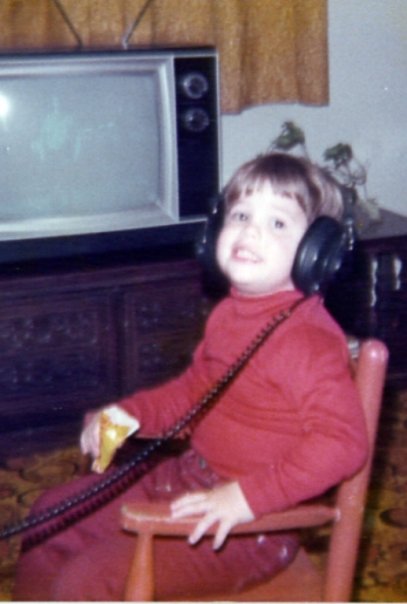 Whether you’re a Gen Xer like me, part of the sprawling tapestry of Millennials, one of the lively Zoomers, or even among the budding Alphas just beginning to lend an ear to my tales, gather ‘round. I’m a raconteur at heart, and today I’m spinning a story for you, drawing you into the vivid, nostalgic realm of my ‘70s music world-a time before CDs, before the Walkman, before MTV, when music was a tangible, analog treasure captured on vinyl and 8-track tapes, offering a physical connection that went beyond sound.
Picture us settling in together, shoulder to shoulder, as I ease into that beloved rocker stationed right beside the imposing, credenza-sized stereo-a grand, polished wooden giant that loomed over the room like a sentinel of sound, its bulky presence a testament to an era of physical soundscapes. Those oversized headphones, their padding worn soft from countless hours of use, nestle snugly over my ears, drawing me deep into the whirl and hum of the 8-track tapes as they spring to life with a mechanical charm unique to those pre-digital days.
But it wasn’t just the music-I’d soak it all in: the label on the record, with its intricate designs and bold artist names; the sleeve, often worn at the edges yet holding the promise of the songs within; and the cover, a work of art with vibrant colors and evocative imagery, each element a tactile piece of the story. The air carries the crystalline harmonies of Simon & Garfunkel, pouring into my soul from that unforgettable 1975 *SNL* reunion episode-those velvety, interlocking vocal lines, brimming with emotional depth and storytelling magic, weaving together in songs like “The Boxer,” where Paul Simon’s warm, narrative-rich tenor pirouettes with Art Garfunkel’s soaring, ethereal falsetto, their playful jabs about acting careers lingering like a cherished refrain in my memory.
This sonic tapestry is enriched by the fresh, clean scent of my grandmother’s meticulously pressed curtains, always pristine and crisp, and the comforting aroma of old wood polish that filled her living room, crafting a sensory haven that wraps around us like a warm shawl. Then, let’s wander into that very same living room, where the soft, warm glow of the television casts a gentle, flickering light across our faces as we watch that Simon & Garfunkel reunion unfold, their laughter echoing off the walls in a joyous, resonant chorus while I sway gently in my seat, the rocker creaking softly beneath me, lost in the tale being told.
Now, let’s step together into the front room during those rare, hushed moments when the house emptied out, leaving no one to mind the noise, the stillness broken only by the promise of music to come in an age untouched by portable players or music videos. Mom’s baby brother, more of a big brother to me than an uncle, takes the helm of that grand stereo, turning the volume to its fullest with a mischievous twinkle, the dials clicking into place like the start of an adventure.
The powerful horns of Stevie Wonder’s “Sir Duke” burst forth, a jubilant explosion of brass that shakes the floorboards beneath our feet with a rhythmic fervor, the upbeat tempo and funky, syncopated rhythm section driving a vibrant celebration of Duke Ellington’s legacy, while the bass line-deep, pulsing, and perfectly tracking with the horns-adds a grounding groove that anchors the track, its breakdown planting the seeds of my love for the bass guitar with a clarity that still resonates, the record sleeve’s bold lettering and cover art adding to the experience.
The smooth, electric riffs of Steve Miller’s “Fly Like an Eagle” drift in next, with its hypnotic, swirling guitar licks and laid-back, psychedelic groove that seems to stretch time into an endless summer day, followed by the tender, soulful strums of James Taylor’s “Fire and Rain,” where his gentle, introspective voice carries a haunting, bittersweet melancholy over delicate, fingerpicked acoustic chords that tug at the heartstrings like a whispered secret.
We find ourselves grooving in unison to the spinning 45s and 8-tracks, the music swelling to a level that feels exclusively ours, filling the room with an electric pulse that drowns out the outside world, making every note a personal celebration, the vibrations resonating deep within the walls and our very souls in an era before personal soundtracks, the physicality of the records enhancing every beat.
Fast-forward with me to May 1977, and we’re standing shoulder to shoulder inside the expansive Tarrant County Convention Center, the vast space alive with the hum of eager anticipation in a time when live music was the pinnacle of experience. The crowd surges with life all around us as Captain & Tennille command the stage with a commanding presence, their beloved bulldogs playfully flashing across the towering screens above in a whimsical, heartwarming display, and the infectious rhythm of “Love Will Keep Us Together” pulses through the air-a bright, pop-infused melody with Toni Tennille’s rich, contralto voice soaring with a warm, authoritative depth over Daryl Dragon’s funky, layered keyboard riffs, resonating deep within my chest like a heartbeat reborn.
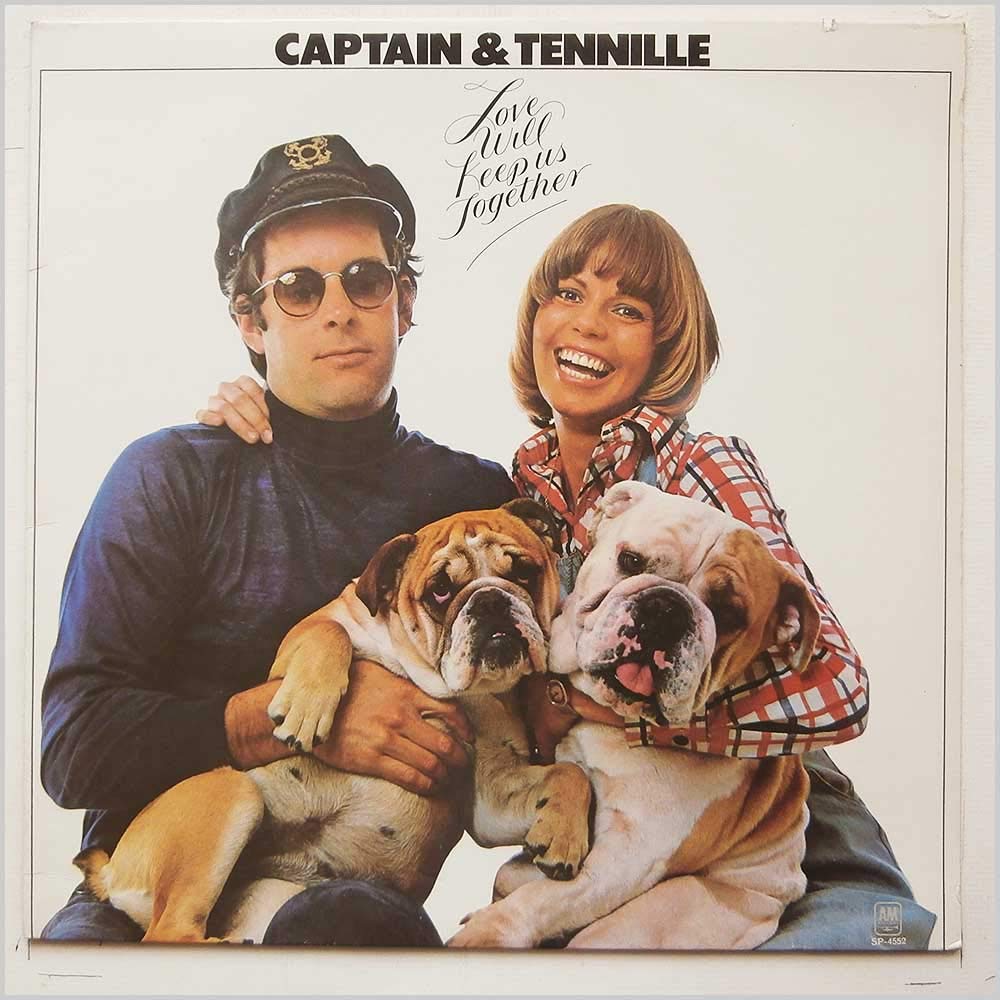
The bass line hits me with a physical force, a deep, grounding thrum that I can feel in my bones, and Neil Sedaka’s namecheck in the lyrics serves as a sweet, nostalgic callback to the tunes that shaped my earliest years, while I’m just a five-year-old, wide-eyed and utterly captivated, soaking in every second of the experience with a sense of wonder that lingers like a cherished keepsake.
My mom’s stories wove an even deeper layer into this musical tapestry, a thread that binds my past to the present with the skill of a seasoned storyteller. She’d draw me close on those serene, quiet nights, her voice as soft and melodic as a lullaby, spinning intricate tales of her time at Del Mar College in Corpus Christi with a raconteur’s flair.
As a contralto herself, her deep, resonant tones carried a soulful richness that I’d come to hold dear in my heart, and she spoke fondly of knowing Donnie-destined to become the Gentle Giant Don Williams-back when he harmonized with the Pozo-Seco Singers alongside Lofton Kline and Susan Taylor, whose earthy, contralto vocals added a grounding, soul-stirring richness to their gentle, rustic blend of acoustic guitars and close-knit harmonies that seemed to whisper of simpler, golden times.
Those sounds she painted with words shaped her profound love for the Texas State Choir, where her own contralto voice blended seamlessly into the rich, layered sounds she adored-sweeping choral arrangements filled with resonant, multi-part harmonies that rose and fell like the tides of a vast ocean. That legacy lives on, as my daughter followed her Nana’s musical path, earning second chair Alto 2 in the Texas State Choir, her deep, resonant tones echoing the family tradition with pride.
But the story began even earlier, in my tender toddler years, when she’d kneel beside my small bed, her contralto wrapping around me like a warm, protective shawl as she sang the Irish Lullaby-“Too-ra-loo-ra-loo-ral, that’s an Irish lullaby”-her voice a deep, soothing river of sound, the gentle, rolling cadence and hauntingly sweet notes lulling me into dreams with a tenderness that felt like a gift from the stars, a nightly ritual that planted the seeds of my love for music and left an indelible mark on my young heart in a pre-digital age.
She’d bring those early melodies to life by playing our 8-tracks-filling the room with Neil Diamond’s soulful depth in “Sweet Caroline,” where his robust, passionate baritone rises over a swelling orchestral backdrop that builds to a triumphant, communal crescendo; John Denver’s gentle whispers in “Take Me Home, Country Roads,” a tender, folksy tune with his warm, earnest delivery and soft, lilting guitar strums that evoke the rolling hills of a distant homeland; the Carpenters’ lush, heartfelt duets in “Close to You,” where Karen Carpenter’s velvety contralto intertwines with Richard’s delicate, shimmering piano in a harmonious embrace that feels like a hug from the past; and Rita Coolidge’s uplifting “Your Love Has Lifted Me Higher,” a soulful, gospel-infused rendition with her smooth, powerful vocals riding a buoyant, rhythmic bass line-its deep “bom bom bom… bom bom bom” groove that Mom and I would sing together in the car when it came on the radio, our voices harmonizing with the beat, the record’s sleeve and label adding a tactile joy to the moment, further planting those bass guitar seeds alongside “Sir Duke.”
All the while, she’d hum along with a joy that seemed to illuminate the room, her contralto weaving through the melodies like a thread of home, a sound that started with that lullaby and blossomed into my deep, abiding love for contraltos-those deep, commanding voices like hers, Toni Tennille’s, and Susan Taylor’s. Those rhythms took root in my soul, inspiring me to pick up a bass guitar to bring them to life and discover my own tenor voice within the church choir, a journey that feels like the continuation of her song.
Those precious moments, those unforgettable songs, they’re indelibly etched into the very fabric of my being, a story I carry with pride. For us Gen Xers, this was the heartbeat of our existence, a pre-digital era where music was a tangible, physical piece of life that we could hold, feel, and cherish with every fiber of our souls. For Millennials, Zoomers, and Alphas, it represents the foundational roots of the playlists you enjoy today, a legacy carried forward through time with every beat and note.
