
The Conservative Canon
With Summaries and Influence on Civics and Policy

The conservative canon presented here is a carefully curated collection of 32 seminal works that have profoundly shaped the intellectual and civic landscape of American conservatism. Spanning from the Enlightenment to the late 20th century, these texts-ranging from Edmund Burke’s Reflections on the Revolution in France to Irving Kristol’s Neoconservatism: The Autobiography of an Idea-offer a rich tapestry of philosophical, political, and cultural insights that articulate the principles of limited government, individual liberty, tradition, moral order, and free markets. Including foundational works like John Locke’s Second Treatise of Government
The Intifada at Home: No More Excuses
 On a Sunday afternoon in Boulder, Colorado, a pro-Israel rally named “Run for Their Lives” unfolded near the county courthouse, its participants united in a call to free hostages held by Hamas. The gathering, marked by solemn determination, included an 88-year-old Holocaust survivor among its ranks. Suddenly, chaos erupted. Mohamed Sabry Soliman, a 45-year-old Egyptian national illegally residing in the U.S., unleashed a horrific attack, hurling Molotov cocktails and wielding a makeshift flamethrower. Twelve people were injured, their screams piercing the air as Soliman shouted “Free Palestine” and “End Zionists.” This was no spontaneous outburst; the FBI later revealed he had planned the assault for a year, driven by a seething hatred for “Zionists.” Weeks earlier, in Washington, D.C., another tragedy struck: a Jewish couple, staffers at the Israeli Embassy, was brutally assassinated. These acts of violence are not isolated-they are chilling manifestations of what “globalize the intifada,” a slogan chanted from college campuses to city streets, truly means: a deliberate call to antisemitic bloodshed aimed at erasing Jewish presence.
This rising tide of antisemitic terror is fueled by a dangerous strain of leftist extremism that cloaks itself in the guise of social justice but thrives on unchecked vitriol. Across the U.S., from Boulder to Pennsylvania, where an arson attempt targeted Governor Josh Shapiro’s mansion, the rhetoric of “intifada” and anti-Zionism has metastasized into violence. Campus protests, once dismissed as youthful idealism, have morphed into breeding grounds for hate, with slogans glorifying Palestinian “resistance” normalizing attacks on Jews. The Boulder attack, targeting a rally for hostages, and the D.C. murders, striking at Israel’s representatives, reflect a pattern of aggression that draws directly from this toxic ideology. Yet, the response from the Democrat Party has been a deafening silence, punctuated by equivocation or outright avoidance. Prominent figures like Representatives Ilhan Omar and Alexandria Ocasio-Cortez have offered vague platitudes or sidestepped condemnation, leaving Jewish communities to fend for themselves. This reticence, at times, feels like complicity, as the party fails to confront the extremism festering within its ranks, prioritizing political optics over moral clarity.
Compounding this crisis is the role of legacy media, which has become a purveyor of blood libels and a dismisser of inconvenient truths. Outlets like CNN, AP, BBC, and Fox News rushed to amplify a false Hamas-sourced claim that Israeli forces massacred 31 civilians at a Gaza aid distribution site, only for surveillance footage to expose Hamas operatives as the perpetrators. Rather than retract or reflect, these outlets persisted in pushing narratives that vilify Israel, ignoring evidence to sustain a prejudiced storyline. In Boulder, when the FBI, under Director Kash Patel, swiftly labeled Soliman’s attack as targeted terrorism, CNN’s response was to question the designation. Former FBI Deputy Director Andrew McCabe and analyst Juliette Kayyem called it “premature” and “juvenile,” despite video evidence capturing Soliman’s anti-Zionist rants. This reluctance to acknowledge antisemitic motives mirrors a broader pattern: when a pride parade or minority group is attacked, media outlets are quick to label it a hate crime, but Jewish victims are met with hesitation or excuses. This double standard reeks of dhimmitude-a submissive acquiescence to narratives that sanitize or excuse anti-Jewish violence, leaving Jews as second-class victims in the public square.
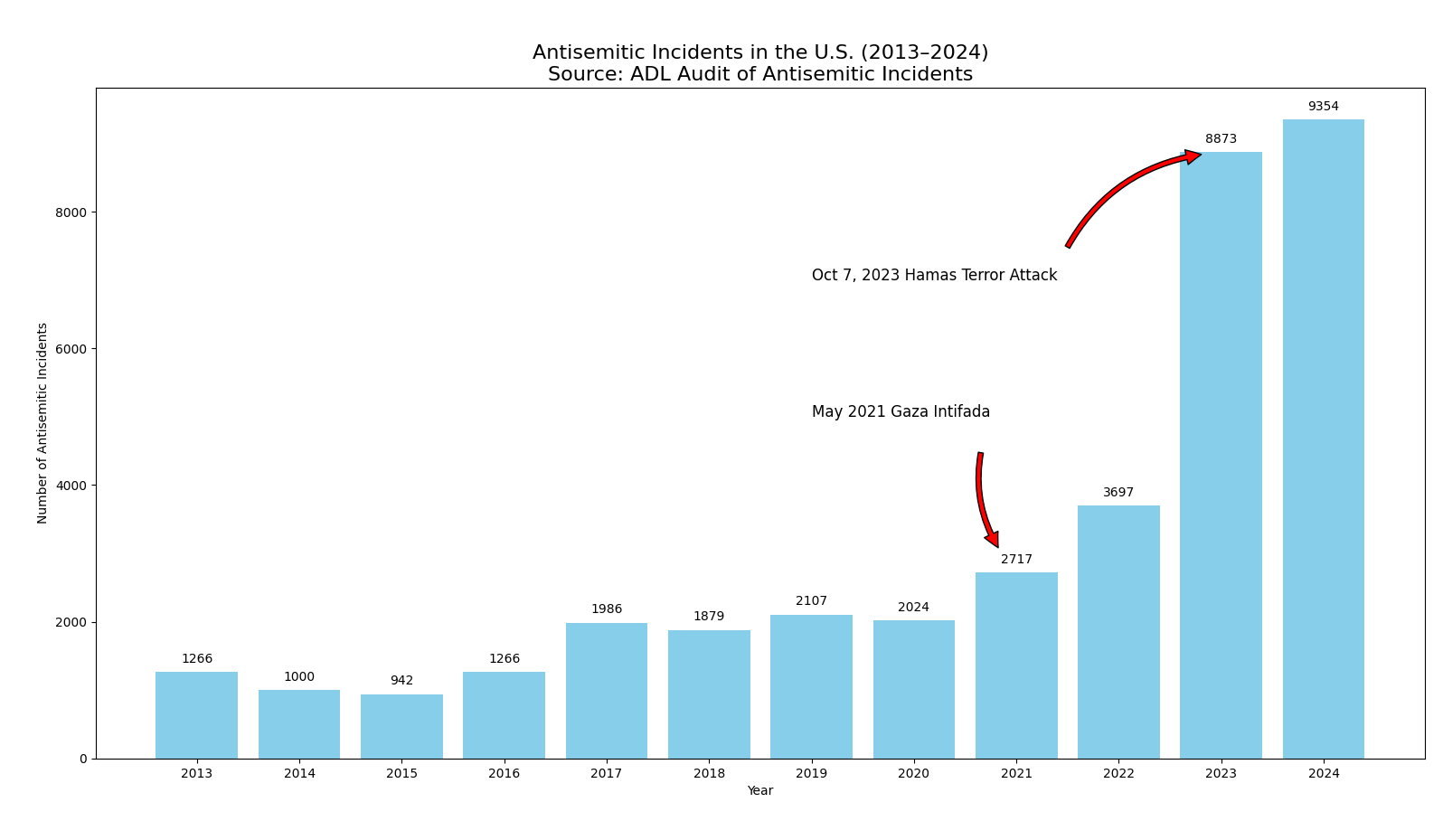
The Boulder attack and the D.C. murders are not mere anomalies; they are symptoms of systemic failures that demand urgent action. Soliman, who entered the U.S. on a B1/B2 visa in August 2022, applied for asylum and overstayed his permit, yet was granted work authorization by the Biden administration until March 2025. This lapse, enabled by lax immigration policies, allowed a man with documented anti-Zionist hatred to remain and execute his attack. The Biden era’s open-border approach, coupled with judicial resistance to deportation efforts, has created vulnerabilities that terrorists exploit. The call to “globalize the intifada” is not an abstract slogan-it is a blueprint for violence now playing out on American soil, from Boulder’s courthouse to D.C.’s embassy row. The failure to scrutinize visas and secure borders has tangible consequences, measured in burned flesh and lost lives.
The time for complacency has passed. Securing the border is not a political talking point; it is a national security imperative. Visa policies must be reevaluated to prioritize cultural compatibility and screen out those who harbor ideologies hostile to American values. Soliman’s case is a stark warning: a single individual, radicalized and unchecked, can wreak havoc. But beyond policy, the fight against antisemitism requires a cultural reckoning. It demands a united, unapologetic stand-louder and more forceful than the hatred it opposes. Jewish communities cannot be left to face this terror alone. The Democrat Party must break its silence, unequivocally condemning antisemitic violence and rooting out the extremism it has allowed to fester. Media outlets must abandon their equivocations, retract their libels, and report facts without bias. Every act of violence must be called out, every lie exposed, and every excuse rejected.
The Boulder attack, with its elderly victims and shattered peace, and the D.C. murders, with their targeted brutality, are clarion calls. They reveal the true cost of “globalizing the intifada”: blood spilled, lives destroyed, and communities terrorized. The U.S. stands at a crossroads. Will it allow this hatred to spread, emboldened by silence and enabled by porous borders? Or will it rise, united, to overwhelm antisemitism with resolute opposition? The answer lies in action-securing borders, enforcing laws, and standing shoulder-to-shoulder with Jewish Americans. Attorney General Pam Bondi’s swift move to charge Soliman with federal hate crimes is a start, but it is not enough. The nation must rally, from policymakers to citizens, to ensure that no more rallies are firebombed, no more lives are stolen, and no more hatred is excused. The cost of inaction is measured in blood, and the time to act is now.
Like this post? Become a Citizen Producer!


 and The Federalist Papers, alongside modern classics such as Russell Kirk’s The Conservative Mind and Friedrich Hayek’s The Road to Serfdom, this canon reflects the diverse strands of conservative thought, from traditionalism and libertarianism to neoconservatism. Together, these works have not only influenced American political institutions, public discourse, and policy but also fostered a civic culture that values constitutional fidelity, personal responsibility, and the preservation of Western heritage, remaining vital to contemporary debates.
-
Edmund Burke – Reflections on the Revolution in France (1790)
- Amazon Link: Reflections on the Revolution in France (Oxford World’s Classics edition, paperback, ISBN: 0199539022).
- Summary: Burke critiques the French Revolution’s radicalism, arguing it destroys social order, and defends tradition, hierarchy, and gradual reform as essential for stable societies.
- Influence on Civics: Burke’s ideas have profoundly shaped American civic life by providing a philosophical foundation for valuing institutional continuity and skepticism of revolutionary change. His emphasis on tradition influenced the design of the U.S. Constitution, particularly its mechanisms like checks and balances and the Senate’s structure, which ensure slow, deliberate governance to prevent hasty reforms. In civic discourse, Burke’s arguments resonate in defenses of longstanding institutions such as the Electoral College, federalism, and the Supreme Court’s role as a stabilizing force, often cited by conservatives to resist rapid societal shifts proposed by progressive movements. His work has informed civic education by emphasizing the importance of inherited wisdom, encouraging curricula that highlight the historical roots of American governance.
- Policy Legacy: Burke’s influence is evident in conservative resistance to sweeping legislative overhauls, such as opposition to radical restructuring of healthcare or electoral systems, favoring incremental adjustments that respect established norms. Burke’s ideas are invoked in debates over constitutional fidelity citing his warnings against utopian schemes to argue for preserving traditional civic frameworks. His philosophy also underpins civic values like respect for community traditions and the role of religion in public life, fostering a civic culture that prioritizes stability and continuity over experimental change.
-
John Locke – Second Treatise of Government (1689)
- Amazon Link: Second Treatise of Government (Digireads.com Publishing edition, paperback, ISBN: 1420955292).
- Summary: Locke outlines natural rights (life, liberty, property) and the social contract, asserting that government’s legitimacy derives from the consent of the governed, with limited powers to protect these rights.
- Influence on Civics: Locke’s political philosophy is a cornerstone of American civics, fundamentally shaping the nation’s founding documents and civic ethos. His concept of natural rights directly inspired the Declaration of Independence’s assertion of “life, liberty, and the pursuit of happiness” and the Constitution’s protections of individual liberties, such as those in the Bill of Rights. In civic institutions, Locke’s ideas underpin the separation of powers and limited government, ensuring that no single branch can infringe upon citizens’ inherent rights. His influence permeates civic education, where students learn about the consent of the governed as the basis for democratic legitimacy, fostering a civic culture that values individual autonomy and accountability of elected officials. In public discourse, Locke’s principles are central to debates over property rights, free speech, and gun ownership, with conservatives often invoking his ideas to defend against government overreach, such as in regulatory or tax policy disputes.
- Policy Legacy: Locke’s legacy is seen in judicial decisions upholding individual rights, like those protecting free expression or property against eminent domain abuses, and in legislative efforts to limit bureaucratic expansion. Locke’s ideas are frequently cited in discussions of constitutional originalism, referencing his social contract to argue against policies perceived as violating personal freedoms, such as vaccine mandates or surveillance programs. His work has also shaped civic values by promoting the idea that government exists to serve the individual, not vice versa, embedding a deep-seated American commitment to liberty in civic life.
-
Adam Smith – The Wealth of Nations (1776)
- Amazon Link: The Wealth of Nations (Simon & Brown Publishing edition, hardcover, ISBN: 1731703619).
- Summary: Smith advocates for free markets, division of labor, and minimal government interference, arguing that individual economic pursuits benefit society through the “invisible hand.”
- Influence on Civics: Adam Smith’s economic philosophy has profoundly shaped American civic life by establishing free-market capitalism as a core civic value, influencing both policy and public attitudes toward government’s economic role. His ideas informed the early American economy’s laissez-faire orientation, encouraging policies that prioritized trade, entrepreneurship, and minimal regulation, which became embedded in the nation’s civic identity as a land of opportunity. In civic institutions, Smith’s influence is evident in the constitutional protection of property rights and the Commerce Clause, which facilitate economic freedom. Civic education incorporates Smith’s principles when teaching about capitalism’s role in American prosperity, fostering a civic culture that celebrates individual initiative and economic self-reliance. In public discourse, Smith’s ideas are central to debates over tax policy, deregulation, and trade agreements, with conservatives citing his “invisible hand” to argue against government interventions like price controls or expansive welfare programs.
- Policy Legacy: Smith’s legacy is seen in landmark economic reforms, such as the deregulation of industries in the 1980s, tax cuts under Reagan and later administrations, and free-trade agreements like NAFTA, all of which reflect his vision of markets driving societal good. Smith’s ideas are invoked in discussions of economic policy, referencing his work to oppose socialist-leaning proposals or advocate for reducing government spending. His philosophy has also shaped civic values by promoting the notion that economic freedom is inseparable from personal liberty, influencing American attitudes toward work, innovation, and the role of government in daily life.
-
Russell Kirk – The Conservative Mind (1953)
- Amazon Link: The Conservative Mind: From Burke to Eliot (Regnery Publishing edition, paperback, ISBN: 0895261715).
- Summary: Kirk traces conservative thought from Burke to the 20th century, emphasizing tradition, moral order, and the “permanent things” over radical innovation.
- Influence on Civics: Russell Kirk’s seminal work has been a guiding light for American conservatism, profoundly influencing civic discourse, education, and policy by articulating a coherent philosophy rooted in tradition and moral order. His revival of Burkean conservatism helped shape the intellectual underpinnings of the modern conservative movement, influencing civic institutions by reinforcing the value of established structures like the family, church, and local government as bulwarks against centralized power. In civic education, Kirk’s ideas have been instrumental in advocating for curricula that emphasize Western civilization’s historical and philosophical roots, encouraging students to appreciate the enduring principles that underpin American governance. Public discourse has been deeply affected by Kirk’s emphasis on the “permanent things,” with conservatives drawing on his work to argue for preserving cultural institutions and resisting progressive reforms that prioritize rapid change, such as those affecting marriage, education, or religious expression.
- Policy Legacy: Kirk’s influence is seen in conservative efforts to protect religious liberty, promote school choice, and maintain federalism, reflecting his belief in decentralized authority and traditional values. Kirk’s ideas are frequently referenced in debates over cultural issues citing his defense of tradition to oppose policies perceived as eroding societal cohesion, such as secularization or identity-based reforms. His work has also shaped civic values by fostering a reverence for historical continuity, encouraging Americans to view their civic responsibilities through the lens of stewardship rather than revolution, and reinforcing the importance of community and moral order in sustaining a free society.
-
William F. Buckley Jr. – God and Man at Yale (1951)
- Amazon Link: God and Man at Yale: The Superstitions of ‘Academic Freedom’ (Regnery Publishing edition, paperback, ISBN: 089526692X).
- Summary: Buckley critiques secularism and collectivism in American education, arguing universities undermine religious and free-market values.
- Influence on Civics: William F. Buckley Jr.’s God and Man at Yale marked a pivotal moment in American civic life by launching a critique of higher education that reverberated through public discourse, policy, and civic values. By exposing the secular and collectivist trends at Yale, Buckley ignited a broader conservative movement to reclaim educational institutions as spaces for preserving traditional values, significantly influencing civic debates on the role of religion and individualism in public life. His work inspired the creation of organizations like the Intercollegiate Studies Institute, which promote conservative principles in academia, shaping civic education by advocating for curricula that include religious and free-market perspectives. In public discourse, Buckley’s critique fueled ongoing debates over secularism in schools, influencing arguments for school choice, voucher programs, and the protection of religious liberty in educational settings.
- Policy Legacy: His influence is evident in legislative efforts to expand educational options, such as charter schools and homeschooling, as well as judicial decisions upholding religious expression in public spaces, reflecting his call to preserve faith-based values. Buckley’s ideas are invoked in discussions of education reform, citing his work to argue against progressive curricula or defend religious exemptions in educational policy. His book also shaped civic values by reinforcing the notion that education should uphold moral and economic freedoms, fostering a civic culture that values parental rights and the integration of faith in public institutions. Buckley’s broader legacy includes galvanizing conservative activism, which has influenced civic engagement through grassroots movements and the establishment of conservative media, further embedding his ideas in the American civic landscape.
-
Friedrich Hayek – The Road to Serfdom (1944)
- Amazon Link: The Road to Serfdom: Text and Documents-The Definitive Edition (University of Chicago Press edition, paperback, ISBN: 0226320553).
- Summary: Hayek warns that centralized planning leads to tyranny, advocating for free markets and limited government to preserve individual liberty.
- Influence on Civics: Friedrich Hayek’s The Road to Serfdom has had a transformative impact on American civics by providing a powerful intellectual argument against centralized government control, shaping civic institutions, policy, and public attitudes toward liberty. His warning that economic planning erodes personal freedom influenced the design of post-World War II American economic policies, reinforcing a civic commitment to limited government intervention. In civic institutions, Hayek’s ideas bolstered the judiciary’s role in protecting economic liberties, seen in court decisions striking down overly intrusive regulations. Civic education incorporates Hayek’s insights when teaching about the dangers of socialism, fostering a civic culture that prizes individual responsibility and market-driven prosperity. In public discourse, his work is a touchstone for conservatives opposing expansive government programs, such as universal healthcare or industrial subsidies, with his arguments frequently cited to highlight the slippery slope toward authoritarianism.
- Policy Legacy: Hayek’s influence is evident in the deregulation movements of the 1970s and 1980s, welfare reforms in the 1990s, and tax policies aimed at reducing government’s economic footprint, all reflecting his vision of decentralized power. Hayek’s ideas are prominently featured in debates over economic policy, referencing his work to critique socialist proposals or advocate for reducing federal spending. His philosophy has also shaped civic values by promoting the idea that individual liberty is inseparable from economic freedom, influencing American attitudes toward entrepreneurship, self-reliance, and the role of government in economic life, and reinforcing a civic ethos that resists collectivist solutions in favor of personal agency.
-
Thomas Sowell – A Conflict of Visions (1987)
- Amazon Link: A Conflict of Visions: Ideological Origins of Political Struggles (Basic Books edition, paperback, ISBN: 0465002056).
- Summary: Sowell contrasts the “constrained” (conservative) vision of limited human nature with the “unconstrained” (progressive) vision, explaining ideological divides.
- Influence on Civics: Thomas Sowell’s A Conflict of Visions has profoundly shaped American civic life by providing a clear and accessible framework for understanding the ideological underpinnings of political debates, influencing public discourse, civic education, and policy analysis. His distinction between the constrained and unconstrained visions has become a foundational lens through which Americans interpret political differences, fostering a more nuanced civic dialogue about competing worldviews. In civic education, Sowell’s framework is used to teach students about the philosophical roots of policy disputes, encouraging critical thinking about human nature and societal organization. In public discourse, his work has equipped conservatives with a robust intellectual tool to articulate their positions on issues like welfare, education, and criminal justice, emphasizing empirical outcomes over utopian ideals.
- Policy Legacy: Sowell’s influence is seen in conservative reforms that prioritize individual responsibility and market solutions, such as welfare-to-work programs, school choice initiatives, and data-driven criminal justice policies, reflecting his constrained vision of human limitations. Sowell’s ideas are widely cited in debates over social policy, invoking his framework to critique progressive proposals like universal basic income or to defend merit-based systems. His work has also shaped civic values by promoting a pragmatic approach to governance, encouraging Americans to view policy through the lens of trade-offs rather than ideological purity, and fostering a civic culture that values evidence-based decision-making and skepticism of grandiose promises, thereby enhancing the quality of civic engagement and policy deliberation.
-
C.S. Lewis – The Abolition of Man (1943)
- Amazon Link: The Abolition of Man (HarperOne edition, paperback, ISBN: 0060652942).
- Summary: Lewis defends objective moral values, critiquing relativism and warning that abandoning universal truths leads to societal decay.
- Influence on Civics: C.S. Lewis’s The Abolition of Man has exerted a significant influence on American civics by providing a philosophical defense of objective morality that resonates across civic institutions, public discourse, and policy debates. His critique of moral relativism has informed civic education by emphasizing the importance of universal ethical principles in shaping responsible citizenship, encouraging curricula that include moral philosophy alongside practical governance. In civic institutions, Lewis’s ideas have supported the judiciary’s role in upholding laws grounded in traditional moral frameworks, such as those protecting family structures or religious liberties. Public discourse has been deeply affected by Lewis’s arguments, with conservatives drawing on his work to advocate for policies that reflect objective values, such as in debates over bioethics (e.g., abortion, euthanasia) or marriage laws, where his warnings about the consequences of relativism provide a compelling rationale.
- Policy Legacy: His influence is evident in legislative efforts to protect religious freedom and in judicial decisions that prioritize moral clarity, such as those affirming the rights of religious organizations. Lewis’s ideas are frequently referenced in discussions of cultural and ethical issues citing his defense of the “Tao” (universal moral law) to argue against progressive policies perceived as undermining traditional values. His work has also shaped civic values by fostering a civic culture that respects moral absolutes, encouraging Americans to approach civic responsibilities with a sense of ethical duty, and influencing debates on education, where his call for objective standards has supported efforts to maintain classical and moral instruction in schools, thereby strengthening the moral foundations of American civic life.
-
James Madison, Alexander Hamilton, John Jay – The Federalist Papers (1788)
- Amazon Link: The Federalist Papers (Signet Classics edition, paperback, ISBN: 0451528816).
- Summary: Essays defending the U.S. Constitution, explaining federalism, separation of powers, and checks and balances for stable governance.
- Influence on Civics: The Federalist Papers are foundational to American civics, serving as the intellectual bedrock for the U.S. Constitution and shaping the nation’s civic institutions, values, and discourse in profound and enduring ways. Written to advocate for the Constitution’s ratification, these essays articulated principles of federalism, separation of powers, and checks and balances that became the structural backbone of American governance, influencing the creation of institutions like Congress, the Presidency, and the Supreme Court. In civic education, The Federalist Papers are a cornerstone of curricula, teaching students about the philosophical and practical rationale behind the Constitution, fostering a civic culture that values limited government, rule of law, and institutional balance. Public discourse is deeply informed by these essays, with their arguments frequently cited in debates over constitutional interpretation, particularly by originalists who advocate for fidelity to the Founders’ intent, as seen in discussions of judicial appointments or federal overreach.
- Policy Legacy: The Papers’ influence is evident in the enduring structure of American federalism, which shapes legislation and judicial rulings on issues like states’ rights, commerce, and individual liberties, as well as in landmark Supreme Court cases like Marbury v. Madison that established judicial review. The Federalist Papers are a common reference in debates over constitutional issues citing passages (e.g., Federalist No. 10 on factions or No. 51 on checks and balances) to argue for preserving the Constitution’s original design against modern reforms like court-packing or abolishing the Electoral College. The Papers have also shaped civic values by promoting the idea that government must be both strong and restrained, encouraging Americans to view their civic responsibilities through the lens of balancing power and liberty, and fostering a civic ethos that prizes deliberation, compromise, and institutional integrity as essential to a free society.
-
Leo Strauss – Natural Right and History (1953)
- Amazon Link: Natural Right and History (University of Chicago Press edition, paperback, ISBN: 0226776948).
- Summary: Strauss explores classical and modern political philosophy, defending natural rights against historicism and relativism.
- Influence on Civics: Leo Strauss’s Natural Right and History has had a profound and multifaceted impact on American civics by reinvigorating the study of natural rights and classical political philosophy, influencing civic education, public discourse, and policy in significant ways. His defense of natural rights as a universal standard for justice provided an intellectual foundation for neoconservative thought, which has shaped civic debates on the moral underpinnings of democracy and America’s role in promoting freedom globally. In civic education, Strauss’s work has encouraged the inclusion of classical texts in curricula, fostering a deeper understanding of the philosophical roots of American governance and encouraging students to grapple with questions of justice and virtue. In public discourse, his ideas have informed conservative arguments for constitutional originalism, influencing debates over judicial interpretation, particularly in cases involving individual rights or federal power.
- Policy Legacy: Strauss’s influence is evident in neoconservative foreign policy, which advocated for a robust American presence abroad to defend democratic values, as seen in post-Cold War interventions and the promotion of democracy in the Middle East. His critique of relativism has also shaped civic discussions on domestic policy, supporting arguments for policies grounded in universal moral standards, such as those protecting religious liberty or traditional family structures. Strauss’s ideas are cited in debates over constitutional law and foreign policy, referencing his defense of natural right to argue against moral relativism in governance or to support originalist judicial nominees. His work has also shaped civic values by promoting the idea that political life should be guided by enduring truths, fostering a civic culture that values philosophical inquiry and moral clarity, and influencing conservative efforts to maintain a principled approach to governance amidst ideological challenges.
-
Milton Friedman – Capitalism and Freedom (1962)
- Amazon Link: Capitalism and Freedom: Fortieth Anniversary Edition (University of Chicago Press edition, paperback, ISBN: 0226264211).
- Summary: Friedman links economic and political freedom, advocating for minimal government intervention through policies like school vouchers and tax cuts.
- Influence on Civics: Milton Friedman’s Capitalism and Freedom has been a transformative force in American civics, profoundly shaping economic policy, public discourse, and civic values by articulating a compelling case for the interdependence of economic and political liberty. His argument that free markets are essential to personal freedom influenced the structure of American economic institutions, reinforcing a civic commitment to limited government intervention and individual initiative. In civic education, Friedman’s ideas are taught as a key component of American capitalism, fostering a civic culture that values entrepreneurship and economic self-reliance. Public discourse has been deeply affected by his work, with conservatives drawing on his arguments to advocate for deregulation, tax reform, and privatization, as seen in debates over healthcare, education, and social welfare programs.
- Policy Legacy: Friedman’s influence is evident in major economic reforms, such as the deregulation of industries in the 1970s and 1980s, the introduction of school voucher programs, and tax cuts under Reagan and subsequent administrations, all reflecting his vision of reducing government’s role in economic life. His advocacy for a negative income tax also influenced welfare reform discussions, promoting policies that incentivize work over dependency. Friedman’s ideas are frequently cited in economic policy debates referencing his work to oppose government spending increases or to advocate for market-based solutions like private healthcare options. His philosophy has also shaped civic values by reinforcing the notion that economic freedom is a prerequisite for political liberty, influencing American attitudes toward work, innovation, and the role of government, and fostering a civic ethos that prioritizes individual choice and responsibility over collectivist approaches, thereby enhancing the vibrancy of American civic life.
-
Richard M. Weaver – Ideas Have Consequences (1948)
- Amazon Link: Ideas Have Consequences: Expanded Edition (University of Chicago Press edition, paperback, ISBN: 022609006X).
- Summary: Weaver argues Western decline stems from abandoning absolute truths for relativism, urging a return to traditional values.
- Influence on Civics: Richard M. Weaver’s Ideas Have Consequences has exerted a significant influence on American civics by providing a philosophical critique of cultural decline that has resonated across public discourse, civic education, and policy debates. His argument that relativism undermines societal cohesion has informed conservative efforts to preserve traditional values, shaping civic institutions by reinforcing the role of family, religion, and community as foundational to a healthy polity. In civic education, Weaver’s work has been used to advocate for curricula that emphasize the Western canon and moral absolutes, encouraging students to appreciate the cultural and ethical roots of American governance. Public discourse has been deeply affected by his ideas, with conservatives citing his warnings about relativism to argue against progressive policies perceived as eroding traditional norms, such as those affecting marriage, education, or religious expression.
- Policy Legacy: Weaver’s influence is seen in conservative legislative efforts to protect religious liberty, promote traditional family structures, and resist secularization in public institutions, reflecting his call for a return to metaphysical truths. Weaver’s ideas are invoked in cultural debates referencing his work to critique policies like inclusive education curricula or to defend traditional values in public life. His philosophy has also shaped civic values by fostering a civic culture that values moral clarity and cultural continuity, encouraging Americans to view their civic responsibilities through the lens of preserving a shared ethical heritage. Weaver’s emphasis on the consequences of ideas has also influenced conservative activism, inspiring movements to counter cultural shifts through education, media, and policy, thereby enriching the intellectual depth of American civic life and reinforcing the importance of cultural foundations in sustaining a free society.
-
F.A. Hayek – The Constitution of Liberty (1960)
- Amazon Link: The Constitution of Liberty: The Definitive Edition (University of Chicago Press edition, paperback, ISBN: 0226315398).
- Summary: Hayek defines principles of a free society, emphasizing the rule of law, individual liberty, and limits on government power.
- Influence on Civics: Friedrich Hayek’s The Constitution of Liberty has had a profound and enduring impact on American civics by providing a comprehensive defense of individual liberty and the rule of law, influencing civic institutions, policy, and public discourse in significant ways. His articulation of the principles underlying a free society reinforced the constitutional framework of limited government, shaping civic institutions like the judiciary, which plays a critical role in upholding legal equality and protecting individual rights against government overreach. In civic education, Hayek’s work is used to teach students about the importance of the rule of law and the dangers of arbitrary government power, fostering a civic culture that values legal predictability and personal freedom. Public discourse has been deeply informed by his ideas, with conservatives drawing on his arguments to advocate for judicial originalism, deregulation, and limited government, as seen in debates over administrative state expansion or economic regulations.
- Policy Legacy: Hayek’s influence is evident in the deregulatory policies of the Reagan era, judicial rulings that limit bureaucratic authority, and legislative efforts to reduce government’s economic footprint, such as tax reforms and entitlement restructuring. His emphasis on spontaneous order has also shaped civic discussions on decentralized governance, supporting policies that empower local communities and markets over federal mandates. Hayek’s ideas are frequently cited in debates over government power, referencing his work to oppose policies like expansive environmental regulations or to advocate for judicial nominees committed to originalism. His philosophy has also shaped civic values by promoting the idea that liberty thrives under a system of general rules rather than discretionary power, influencing American attitudes toward law, governance, and individual responsibility, and fostering a civic ethos that prioritizes freedom and fairness as essential to a just society.
-
Albert Jay Nock – Our Enemy, the State (1935)
- Amazon Link: Our Enemy, the State (CreateSpace Independent Publishing edition, paperback, ISBN: 1502585634).
- Summary: Nock critiques government expansion as a threat to individual freedom, advocating for a minimal state and personal responsibility.
- Influence on Civics: Albert Jay Nock’s Our Enemy, the State has left a lasting imprint on American civics by articulating a libertarian critique of government overreach that has influenced public discourse, civic values, and policy in profound ways. His argument that the state inherently seeks to expand its power at the expense of individual liberty resonated with early 20th-century conservatives and continues to shape modern libertarian thought, influencing civic institutions by reinforcing skepticism of centralized authority. In civic education, Nock’s work is used to teach students about the dangers of government encroachment, fostering a civic culture that values personal freedom and limited state intervention. Public discourse has been significantly affected by his ideas, with conservatives and libertarians citing his work to argue against federal overreach in areas like taxation, regulation, and social programs, as seen in debates over the Affordable Care Act or environmental mandates.
- Policy Legacy: Nock’s influence is evident in the rise of libertarian-leaning movements like the Tea Party, which advocated for reduced government spending, lower taxes, and deregulation, reflecting his vision of a minimal state. His ideas also informed legislative efforts to curb bureaucratic power, such as reforms to administrative agencies, and judicial decisions that protect individual liberties against government intrusion. Nock’s ideas are invoked in discussions of government size, referencing his work to critique policies like student loan forgiveness or to advocate for fiscal restraint. His philosophy has also shaped civic values by promoting the notion that individual responsibility is the cornerstone of a free society, influencing American attitudes toward self-reliance and the role of government, and fostering a civic ethos that resists the expansion of state power in favor of personal agency and local solutions, thereby enriching the diversity of American civic thought.
-
James Burnham – Suicide of the West (1964)
- Amazon Link: Suicide of the West: An Essay on the Meaning and Destiny of Liberalism (Encounter Books edition, paperback, ISBN: 1594037833).
- Summary: Burnham warns that liberal ideologies and cultural decline threaten Western civilization, calling for renewed cultural confidence.
- Influence on Civics: James Burnham’s Suicide of the West has had a significant and enduring impact on American civics by providing a stark warning about the cultural and ideological threats to Western civilization, shaping public discourse, civic values, and policy in profound ways. His argument that liberalism’s permissiveness and loss of cultural confidence undermine societal cohesion influenced conservative thought by highlighting the need to preserve Western values, affecting civic institutions by reinforcing the role of education and cultural institutions in maintaining national identity. In civic education, Burnham’s work is used to teach students about the importance of cultural heritage, fostering a civic culture that values the preservation of Western traditions. Public discourse has been deeply affected by his ideas, with conservatives citing his warnings to argue against progressive policies perceived as eroding cultural norms, such as those affecting immigration, education, or family structures.
- Policy Legacy: Burnham’s influence is seen in conservative efforts to strengthen national borders, promote traditional education curricula, and resist multiculturalist policies that prioritize diversity over assimilation, reflecting his call for cultural confidence. Burnham’s ideas are frequently referenced in debates over cultural issues, invoking his work to critique policies like open borders or to defend Western values in public life. His philosophy has also shaped civic values by fostering a civic ethos that prioritizes cultural continuity and national pride, encouraging Americans to view their civic responsibilities through the lens of preserving a shared heritage. Burnham’s work has also influenced conservative activism, inspiring movements to counter cultural decline through media, education, and policy, thereby enriching the intellectual depth of American civic life and reinforcing the importance of cultural foundations in sustaining a free society.
-
Whittaker Chambers – Witness (1952)
- Amazon Link: Witness (Regnery Publishing edition, paperback, ISBN: 162157296X).
- Summary: Chambers’ memoir recounts his shift from communism to conservatism, exposing collectivism’s dangers during the Cold War.
- Influence on Civics: Whittaker Chambers’ Witness has had a profound and lasting impact on American civics by providing a personal and ideological critique of communism that shaped public discourse, civic values, and policy during and beyond the Cold War. His memoir, which details his journey from a communist spy to a conservative defender of freedom, highlighted the moral and political stakes of ideological battles, influencing civic institutions by reinforcing the importance of individual liberty and moral clarity in governance. In civic education, Witness is used to teach students about the dangers of totalitarianism, fostering a civic culture that values freedom and vigilance against collectivist ideologies. Public discourse was deeply affected by Chambers’ work, with his testimony against Alger Hiss and his broader critique of communism galvanizing anticommunist sentiment in the 1950s, influencing debates over national security, education, and cultural policy.
- Policy Legacy: His influence is seen in the aggressive anticommunist policies of the Cold War, including the establishment of institutions like the House Un-American Activities Committee and foreign policies aimed at containing Soviet influence, as well as in domestic efforts to root out communist sympathies in government and academia. Chambers’ ideas are invoked in discussions of ideological threats citing his work to argue against socialist policies or to defend individual liberties in contemporary debates. His philosophy has also shaped civic values by promoting the idea that freedom requires moral courage and vigilance, fostering a civic ethos that prizes personal integrity and resistance to collectivism. Chambers’ legacy includes inspiring conservative intellectuals and activists to uphold the principles of a free society, influencing civic engagement through media, education, and policy, and reinforcing the importance of individual conviction in shaping a just and free civic order.
-
Michael Oakeshott – Rationalism in Politics and Other Essays (1962)
- Amazon Link: Rationalism in Politics and Other Essays (Liberty Fund edition, paperback, ISBN: 0865970955).
- Summary: Oakeshott critiques rationalist planning, defending tradition and practical knowledge as guides for governance.
- Influence on Civics: Michael Oakeshott’s Rationalism in Politics and Other Essays has exerted a significant influence on American civics by providing a philosophical critique of technocratic governance that has shaped public discourse, civic values, and policy in profound ways. His argument that rationalist planning-overreliance on abstract theories-undermines the practical wisdom embedded in traditions influenced conservative thought by emphasizing the value of decentralized, experience-based governance, affecting civic institutions by reinforcing the role of local communities and historical practices in political life. In civic education, Oakeshott’s work is used to teach students about the limits of centralized planning, fostering a civic culture that values local knowledge and incremental change over utopian schemes. Public discourse has been deeply informed by his ideas, with conservatives citing his critique of rationalism to argue against top-down policies like federal education mandates or comprehensive healthcare reforms, advocating instead for solutions rooted in tradition and local context.
- Policy Legacy: Oakeshott’s influence is seen in conservative efforts to promote federalism, devolve power to states and localities, and resist bureaucratic overreach, as seen in legislative pushes for block grants or deregulation. Oakeshott’s ideas are referenced in debates over government efficiency citing his work to critique policies like the Green New Deal or to advocate for localized governance models. His philosophy has also shaped civic values by promoting the idea that governance should reflect practical wisdom rather than ideological blueprints, encouraging Americans to approach civic responsibilities with humility and respect for tradition, and fostering a civic ethos that values decentralized decision-making and cultural continuity. Oakeshott’s work has also influenced conservative thought by providing a nuanced perspective on the balance between reason and tradition, enriching the intellectual depth of American civic life and reinforcing the importance of historical wisdom in sustaining a free society.
-
Allan Bloom – The Closing of the American Mind (1987)
- Amazon Link: The Closing of the American Mind: How Higher Education Has Failed Democracy and Impoverished the Souls of Today’s Students (Simon & Schuster edition, paperback, ISBN: 1451683200).
- Summary: Bloom critiques modern higher education for embracing relativism and undermining classical learning, weakening cultural and intellectual standards.
- Influence on Civics: Allan Bloom’s The Closing of the American Mind has had a transformative impact on American civics by sparking a national conversation about the state of higher education and its role in shaping civic life, influencing public discourse, education reform, and civic values in significant ways. His critique of relativism and call for a return to classical education resonated with conservatives, affecting civic institutions by highlighting the role of universities as a critical battleground for cultural preservation. In civic education, Bloom’s work has been used to advocate for curricula that prioritize the Western canon, encouraging students to engage with great philosophical and literary texts to develop critical thinking skills and a sense of civic responsibility. Public discourse has been deeply affected by Bloom’s ideas, with his critique of cultural relativism fueling debates over education reform, curriculum standards, and the influence of progressive ideologies in academia. Conservatives have drawn on his work to argue against diversity-focused curricula or affirmative action in higher education, advocating instead for merit-based systems and a return to classical education values.
- Policy Legacy: Bloom’s influence is seen in efforts to reform higher education, such as through the promotion of charter schools, private colleges, and legislative initiatives to protect academic freedom and free speech on campuses, reflecting his call for intellectual rigor. Bloom’s ideas are frequently cited in discussions of education reform, referencing his work to critique “woke” policies or to defend traditional academic standards. His philosophy has also shaped civic values by fostering a civic culture that values intellectual excellence and cultural heritage, encouraging Americans to view education as a civic duty that shapes the nation’s moral and intellectual character. Bloom’s legacy includes inspiring conservative movements to reform education, influencing civic discourse through education and policy, and reinforcing the importance of preserving Western intellectual traditions in sustaining a free society, thereby enriching the intellectual life of American civics.
-
Robert Nisbet – The Quest for Community (1953)
- Amazon Link: The Quest for Community: A Study in the Ethics of Order and Freedom (ISI Books edition, paperback, ISBN: 1935191500).
- Summary: Nisbet argues that the decline of traditional communities (e.g., family, church, local groups) due to centralized state power leads to alienation, advocating for reviving intermediate institutions.
- Influence on Civics: Robert Nisbet’s The Quest for Community has profoundly shaped American civic life by highlighting the critical role of intermediate institutions in fostering social cohesion and individual liberty, influencing civic discourse, institutions, policy, and civic values in significant ways. His argument that centralized state power erodes traditional communities resonated deeply with conservatives, reinforcing the importance of local governance and civil society in maintaining a balanced civic order. In civic institutions, Nisbet’s ideas have bolstered the principle of federalism, which empowers states and localities to address community needs, shaping the structure of policies that prioritize decentralized authority over federal mandates. Civic education has incorporated Nisbet’s insights to teach students about the importance of voluntary associations-such as churches, civic clubs, and neighborhood organizations-in sustaining a vibrant democracy, fostering a civic culture that values community engagement and mutual support. In public discourse, Nisbet’s work has been a cornerstone of conservative arguments for strengthening civil society, influencing debates over social policy, education, and governance. Conservatives cite his ideas to advocate for policies that protect local institutions, support nonprofit organizations, and resist federal overreach, as seen in discussions over education funding or welfare programs.
- Policy Legacy: Nisbet’s influence is evident in legislative efforts to promote block grants, empower community-based solutions, and protect religious and charitable organizations, reflecting his vision of a society where intermediate institutions thrive. Nisbet’s ideas are frequently referenced in debates over federalism and community citing his work to argue for local control over education or to critique centralized policies like nationalized healthcare. His philosophy has also shaped civic values by promoting the idea that strong communities are essential to individual freedom, encouraging Americans to view their civic responsibilities through the lens of community involvement and local self-governance. Nisbet’s legacy includes inspiring conservative movements to prioritize civil society, influencing civic engagement through grassroots organizations and policy, and reinforcing the importance of community in sustaining a free and flourishing civic order, thereby enriching the texture of American civic life.
-
Robert Nisbet – Prejudices: A Philosophical Dictionary (1982)
- Amazon Link: Prejudices: A Philosophical Dictionary (Harvard University Press edition, paperback, ISBN: 067470066X).
- Summary: Nisbet offers essays on philosophical and social concepts, critiquing modern ideologies and defending traditional social structures like community and authority against progressive individualism and statism.
- Influence on Civics: Robert Nisbet’s Prejudices: A Philosophical Dictionary has significantly influenced American civics by providing a nuanced critique of modern ideologies that threaten traditional social structures, shaping public discourse, civic values, and policy in profound ways. His essays, which defend community and authority against the encroachments of progressive individualism and centralized statism, have resonated with conservatives seeking to preserve the social fabric of American life, influencing civic institutions by reinforcing the importance of local governance and civil society as counterweights to federal power. In civic education, Nisbet’s work is used to teach students about the philosophical underpinnings of social order, encouraging a deeper understanding of the balance between individual liberty and communal responsibility, and fostering a civic culture that values traditional institutions like family, church, and voluntary associations. Public discourse has been deeply informed by his ideas, with conservatives citing his critiques to argue against policies that prioritize individual autonomy over community cohesion, such as those affecting marriage, education, or welfare, and to advocate for strengthening local governance structures.
- Policy Legacy: Nisbet’s influence is seen in conservative efforts to devolve power to states and communities, promote nonprofit organizations, and protect religious liberties, reflecting his vision of a society where traditional structures mediate between the individual and the state. Nisbet’s ideas are referenced in debates over federalism and cultural policy citing his work to critique centralized initiatives like federal education standards or to defend community-based solutions. His philosophy has also shaped civic values by promoting the idea that social order depends on robust intermediate institutions, encouraging Americans to view their civic responsibilities through the lens of community engagement and mutual support, and fostering a civic ethos that prioritizes local self-governance and cultural continuity. Nisbet’s legacy includes inspiring conservative intellectuals to champion civil society, influencing civic engagement through policy and grassroots efforts, and reinforcing the importance of traditional social bonds in sustaining a free and vibrant civic order, thereby deepening the intellectual and practical dimensions of American civic life.
-
Charles W. Dunn and J. David Woodard – The Conservative Tradition in America (1996, revised 2002)
- Amazon Link: The Conservative Tradition in America (Rowman & Littlefield edition, paperback, ISBN: 0742522342).
- Summary: Surveys American conservatism from the Founding to the 1994 Contract with America, tracing its political and philosophical strands, including traditionalism, libertarianism, and neoconservatism.
- Influence on Civics: Charles W. Dunn and J. David Woodard’s The Conservative Tradition in America has significantly shaped American civics by providing a comprehensive historical and philosophical overview of conservatism, influencing public discourse, civic education, and policy in profound ways. By tracing the evolution of conservative thought from the Founding to the late 20th century, the book offers a framework for understanding the ideological diversity within American conservatism, affecting civic institutions by highlighting the interplay of tradition, liberty, and moral order in shaping governance. In civic education, the book is used to teach students about the historical development of conservative principles, fostering a civic culture that appreciates the complexity of American political thought and encourages critical engagement with ideological debates. Public discourse has been deeply informed by Dunn and Woodard’s analysis, with conservatives drawing on their work to articulate the historical roots of their positions on issues like federalism, economic policy, and cultural preservation, particularly in the context of the 1994 Republican realignment that emphasized limited government and traditional values.
- Policy Legacy: The book’s influence is seen in the conservative legislative agenda of the 1990s, such as the Contract with America, which promoted welfare reform, tax cuts, and deregulation, reflecting the strands of conservatism outlined by the authors. The book’s ideas are referenced in discussions of conservative history, citing its framework to argue for a return to founding principles or to critique modern deviations from traditional conservatism. The book has also shaped civic values by promoting the idea that conservatism is a dynamic tradition that balances liberty and order, encouraging Americans to view their civic responsibilities through the lens of historical continuity and ideological diversity and fostering a civic ethos that values principled governance. Dunn and Woodard’s work has also inspired conservative scholars and activists to engage with the historical roots of their movement, influencing civic discourse through education, media, and policy, and reinforcing the importance of understanding conservatism’s intellectual heritage in sustaining a robust civic order.
-
George H. Nash – The Conservative Intellectual Movement in America Since 1945 (1976, revised editions)
- Amazon Link: The Conservative Intellectual Movement in America Since 1945 (ISI Books edition, paperback, ISBN: 1933859121).
- Summary: Nash chronicles the rise of the modern conservative movement, detailing the intellectual contributions of traditionalists, libertarians, and anticommunists, and their convergence into a cohesive political force.
- Influence on Civics: George H. Nash’s The Conservative Intellectual Movement in America Since 1945 has had a transformative impact on American civics by providing a definitive historical account of the post-war conservative movement, shaping public discourse, civic education, and policy in profound ways. By documenting the intellectual convergence of traditionalists, libertarians, and anticommunists, Nash offered a framework for understanding the ideological foundations of modern American conservatism, affecting civic institutions by highlighting the role of ideas in shaping political movements and governance. In civic education, the book is a key resource for teaching students about the intellectual history of conservatism, fostering a civic culture that appreciates the diversity of thought within the movement and encourages critical engagement with its principles. Public discourse has been deeply informed by Nash’s work, with conservatives drawing on his analysis to articulate the historical roots of their positions on issues like limited government, free markets, and cultural preservation, particularly in debates over the legacy of the Reagan era.
- Policy Legacy: Nash’s influence is seen in the conservative policies of the late 20th century, such as deregulation, tax cuts, and a strong anticommunist foreign policy, which reflected the intellectual currents he described. Nash’s ideas are frequently referenced in discussions of conservative history, citing his work to argue for a return to the movement’s core principles or to critique modern deviations from its intellectual roots. The book has also shaped civic values by promoting the idea that ideas drive political change, encouraging Americans to view their civic responsibilities through the lens of intellectual engagement, and fostering a civic ethos that values principled debate and ideological clarity. Nash’s legacy includes inspiring conservative scholars, activists, and policymakers to engage with the intellectual history of their movement, influencing civic discourse through education, media, and policy, and reinforcing the importance of a vibrant intellectual tradition in sustaining a dynamic and resilient civic order.
-
Edward C. Banfield – The Unheavenly City (1970)
- Amazon Link: The Unheavenly City Revisited (Waveland Press edition, paperback, ISBN: 0881335290). Note: This is the revised edition, as the original 1970 edition is out of print but available used.
- Summary: Banfield examines urban problems, arguing that class differences in time orientation drive social issues like poverty and crime, critiquing ineffective urban policies.
- Influence on Civics: Edward C. Banfield’s The Unheavenly City has significantly shaped American civics by offering a provocative analysis of urban issues that challenged prevailing assumptions about social policy, influencing public discourse, civic values, and policy in profound ways. His argument that cultural and behavioral factors, particularly differences in time orientation, drive urban poverty and crime provided a conservative counterpoint to progressive narratives of structural inequality, affecting civic institutions by emphasizing the role of individual responsibility in addressing social challenges. In civic education, Banfield’s work is used to teach students about the complexities of urban policy, encouraging a critical examination of government interventions and fostering a civic culture that values empirical analysis over ideological solutions. Public discourse has been deeply affected by his ideas, with conservatives citing his work to argue against expansive welfare programs and urban renewal projects, advocating instead for policies that address cultural and behavioral factors, such as work requirements or community-based initiatives.
- Policy Legacy: Banfield’s influence is seen in welfare reforms of the 1990s, which emphasized personal responsibility, as well as in criminal justice policies that focused on deterrence and accountability, reflecting his insights into human behavior. Banfield’s ideas are referenced in debates over social policy, citing his work to critique programs like public housing or to advocate for market-driven urban solutions. His philosophy has also shaped civic values by promoting the idea that social problems require cultural and individual solutions, encouraging Americans to view their civic responsibilities through the lens of personal agency and community engagement, and fostering a civic ethos that prioritizes practical outcomes over utopian promises. Banfield’s legacy includes inspiring conservative policymakers and scholars to rethink urban and social policy, influencing civic discourse through education and policy, and reinforcing the importance of cultural factors in sustaining a just and effective civic order.
-
Harry V. Jaffa – Crisis of the House Divided (1959)
- Amazon Link: Crisis of the House Divided: An Interpretation of the Issues in the Lincoln-Douglas Debates (University of Chicago Press edition, paperback, ISBN: 0226391183).
- Summary: Jaffa analyzes the Lincoln-Douglas debates, arguing that Lincoln’s defense of natural rights and equality under the Declaration of Independence is central to American political philosophy, critiquing moral relativism.
- Influence on Civics: Harry V. Jaffa’s Crisis of the House Divided has had a profound and enduring impact on American civics by reasserting the centrality of the Declaration of Independence’s principles to American political philosophy, influencing civic education, public discourse, and policy in significant ways. His analysis of Lincoln’s defense of natural rights and equality provided a philosophical foundation for neoconservative thought and originalist interpretations of the Constitution, affecting civic institutions by reinforcing the judiciary’s role in upholding the moral principles embedded in the nation’s founding documents. In civic education, Jaffa’s work is used to teach students about the moral foundations of American democracy, encouraging a deeper understanding of the Declaration’s role in shaping governance and fostering a civic culture that values equality and liberty as universal truths. Public discourse has been deeply informed by his ideas, with conservatives citing his arguments to advocate for constitutional originalism and to defend policies grounded in the Founding principles, such as those protecting individual rights or promoting equal opportunity.
- Policy Legacy: Jaffa’s influence is seen in judicial decisions that emphasize the Declaration’s principles, such as those addressing civil rights or religious liberty, as well as in legislative efforts to align policies with the nation’s moral foundation, such as debates over affirmative action or immigration. Jaffa’s ideas are frequently referenced in constitutional debates citing his work to argue for originalist judicial nominees or to critique policies perceived as deviating from the Founding vision. His philosophy has also shaped civic values by promoting the idea that American governance rests on universal moral truths, encouraging Americans to view their civic responsibilities through the lens of principled commitment, and fostering a civic ethos that prizes moral clarity and fidelity to the nation’s founding ideals. Jaffa’s legacy includes inspiring conservative scholars and activists to engage with the philosophical roots of American democracy, influencing civic discourse through education, media, and policy, and reinforcing the importance of a moral foundation in sustaining a free and just civic order.
-
Peter Witonski (ed.) – The Wisdom of Conservatism (1971)
- Amazon Link: The Wisdom of Conservatism (Arlington House edition, hardcover, ISBN: 0870001272). Note: This is a four-volume set, often available used, as new copies are rare.
- Summary: A four-volume anthology of conservative thought from ancient to modern times, featuring essays and excerpts from thinkers like Plato, Machiavelli, Adam Smith, Ludwig von Mises, and Ronald Reagan, covering diverse conservative strands.
- Influence on Civics: Peter Witonski’s The Wisdom of Conservatism has significantly shaped American civics by providing a comprehensive anthology of conservative thought, influencing public discourse, civic education, and policy in profound ways. By compiling a diverse array of conservative thinkers from ancient to modern times, Witonski offered a resource that highlights the historical and philosophical depth of conservatism, affecting civic institutions by reinforcing the role of ideas in shaping governance and public life. In civic education, the anthology is used to teach students about the intellectual roots of conservative principles, encouraging a broader understanding of the philosophical traditions that inform American politics and fostering a civic culture that values historical continuity and ideological diversity. Public discourse has been deeply informed by Witonski’s work, with conservatives drawing on the anthology’s insights to articulate the historical context of their positions on issues like limited government, free markets, and cultural preservation, particularly in debates over the balance between liberty and tradition.
- Policy Legacy: The anthology’s influence is seen in conservative efforts to align policies with classical liberal and traditionalist principles, such as tax cuts, deregulation, and protections for religious liberty, reflecting the diverse strands of thought compiled by Witonski. The anthology’s ideas are referenced in discussions of conservative philosophy, citing its thinkers to argue for a return to founding principles or to critique modern deviations from traditional conservatism. The work has also shaped civic values by promoting the idea that conservatism is a rich and varied tradition, encouraging Americans to view their civic responsibilities through the lens of historical wisdom, and fostering a civic ethos that values principled governance and intellectual engagement. Witonski’s legacy includes inspiring conservative scholars, activists, and policymakers to engage with the intellectual history of their movement, influencing civic discourse through education, media, and policy, and reinforcing the importance of a vibrant intellectual tradition in sustaining a dynamic and resilient civic order.
-
William F. Buckley Jr. and Charles R. Kesler (eds.) – Keeping the Tablets: Modern American Conservative Thought (1988)
- Amazon Link: Keeping the Tablets: Modern American Conservative Thought (HarperCollins, paperback, ISBN: 0060551283). Note: Availability may be limited to used copies.
- Summary: An anthology of essays by prominent conservative thinkers (e.g., Russell Kirk, Milton Friedman, Irving Kristol), exploring themes like limited government, free markets, traditional values, and anticommunism, reflecting modern American conservatism’s diversity.
- Influence on Civics: Keeping the Tablets, edited by William F. Buckley Jr. and Charles R. Kesler, has had a significant impact on American civics by consolidating the major strands of modern conservative thought, influencing public discourse, civic education, and policy in profound ways. By presenting essays from leading conservative intellectuals, the anthology provided a comprehensive overview of the movement’s ideological diversity, affecting civic institutions by reinforcing the role of ideas in shaping governance and public policy. In civic education, the book is used to teach students about the intellectual foundations of contemporary conservatism, fostering a civic culture that appreciates the interplay of traditionalism, libertarianism, and neoconservatism in American politics and encouraging critical engagement with conservative principles. Public discourse has been deeply informed by the anthology’s insights, with conservatives drawing on its essays to articulate their positions on issues like tax policy, welfare reform, and cultural preservation, particularly in the context of the Reagan era’s legacy.
- Policy Legacy: The anthology’s influence is seen in the conservative policies of the 1980s and beyond, such as deregulation, tax cuts, welfare reform, and a strong national defense, which reflect the ideas of its contributors. The anthology’s ideas are referenced in discussions of conservative policy, citing its thinkers to argue for limited government or to critique progressive initiatives. The work has also shaped civic values by promoting the idea that conservatism is a dynamic and multifaceted tradition, encouraging Americans to view their civic responsibilities through the lens of principled debate, and fostering a civic ethos that values intellectual rigor and ideological diversity. Buckley and Kesler’s legacy includes inspiring conservative activists and policymakers to engage with the intellectual roots of their movement, influencing civic discourse through education, media, and policy, and reinforcing the importance of a vibrant intellectual tradition in sustaining a robust and resilient civic order.
-
Leo Strauss and Joseph Cropsey (eds.) – History of Political Philosophy (1963, revised editions)
- Amazon Link: History of Political Philosophy (University of Chicago Press edition, paperback, ISBN: 0226777138).
- Summary: A comprehensive anthology of essays by scholars, covering major political philosophers from Plato to Nietzsche, emphasizing the development of political thought, natural right, and the philosophical foundations of governance, with a Straussian focus on close textual analysis.
- Influence on Civics: History of Political Philosophy, edited by Leo Strauss and Joseph Cropsey, has profoundly shaped American civics by providing a rigorous and comprehensive exploration of Western political thought, influencing civic education, public discourse, and policy in significant ways. By presenting detailed analyses of major philosophers, the anthology offers a framework for understanding the philosophical roots of American governance, affecting civic institutions by reinforcing the judiciary’s role in interpreting the Constitution through the lens of enduring principles like natural right and justice. In civic education, the book is a cornerstone of curricula in political philosophy, encouraging students to engage with the great thinkers who shaped Western political traditions, fostering a civic culture that values intellectual depth and critical inquiry into the foundations of democracy. Public discourse has been deeply informed by the anthology’s insights, with conservatives, particularly those influenced by Straussian thought citing its analyses to advocate for constitutional originalism and to defend policies grounded in classical principles, such as those protecting individual rights or promoting civic virtue.
- Policy Legacy: The anthology’s influence is seen in neoconservative foreign policy, which drew on Straussian ideas to promote democracy abroad, as well as in judicial decisions that emphasize the moral and philosophical underpinnings of the Constitution, such as those addressing religious liberty or free speech. The anthology’s ideas are referenced in constitutional and philosophical debates citing its thinkers to argue for originalist judicial nominees or to critique relativistic approaches to governance. The work has also shaped civic values by promoting the idea that political life should be guided by timeless truths, encouraging Americans to view their civic responsibilities through the lens of philosophical inquiry, and fostering a civic ethos that prizes moral clarity and intellectual rigor. Strauss and Cropsey’s legacy includes inspiring conservative scholars, jurists, and policymakers to engage with the philosophical roots of Western governance, influencing civic discourse through education, media, and policy, and reinforcing the importance of a principled philosophical foundation in sustaining a free and just civic order.
-
Charles Murray – What It Means to Be a Libertarian (1997)
- Amazon Link: What It Means to Be a Libertarian: A Personal Interpretation (Broadway Books edition, paperback, ISBN: 0767900391).
- Summary: Murray outlines a libertarian vision emphasizing minimal government, individual liberty, and personal responsibility, advocating for reduced state intervention in areas like welfare, education, and healthcare.
- Influence on Civics: Charles Murray’s What It Means to Be a Libertarian has significantly shaped American civics by articulating a clear and accessible libertarian philosophy, influencing public discourse, civic values, and policy in profound ways. His vision of a society with minimal government intervention resonated with libertarian-leaning conservatives, affecting civic institutions by reinforcing the role of individual liberty and personal responsibility in governance. In civic education, Murray’s work is used to teach students about libertarian principles, encouraging a critical examination of government’s role in daily life and fostering a civic culture that values personal freedom and self-reliance. Public discourse has been deeply informed by his ideas, with conservatives and libertarians citing his arguments to advocate for policies like welfare reform, school choice, and healthcare deregulation, as seen in debates over the Affordable Care Act or education funding.
- Policy Legacy: Murray’s influence is evident in the welfare reforms of the 1990s, which emphasized work requirements, as well as in legislative efforts to expand school voucher programs and reduce regulatory burdens, reflecting his vision of a society driven by individual initiative. Murray’s ideas are frequently referenced in economic and social policy debates citing his work to critique government programs or to advocate for market-based solutions. His philosophy has also shaped civic values by promoting the idea that individual liberty is the foundation of a free society, encouraging Americans to view their civic responsibilities through the lens of personal agency, and fostering a civic ethos that prioritizes freedom over dependency. Murray’s legacy includes inspiring libertarian and conservative activists to challenge government overreach, influencing civic discourse through education, media, and policy, and reinforcing the importance of individual responsibility in sustaining a dynamic and resilient civic order.
-
Irving Kristol – Reflections of a Neoconservative (1983)
- Amazon Link: Neoconservatism: The Autobiography of an Idea (Ivan R. Dee edition, paperback, ISBN: 1566632285).
- Summary: Kristol’s essays articulate neoconservative principles, defending capitalism, traditional values, and a robust foreign policy while critiquing liberal welfare policies and cultural relativism.
- Influence on Civics: Irving Kristol’s Reflections of a Neoconservative has had a transformative impact on American civics by introducing and popularizing neoconservative thought, influencing public discourse, civic values, and policy in profound ways. His defense of capitalism, traditional values, and a strong foreign policy provided a new ideological framework for conservatives, affecting civic institutions by reinforcing the role of government in promoting moral and economic order while maintaining a robust national defense. In civic education, Kristol’s work is used to teach students about the evolution of neoconservatism, encouraging a deeper understanding of its impact on American politics and fostering a civic culture that values pragmatic governance and moral clarity. Public discourse has been deeply informed by his ideas, with conservatives citing his arguments to advocate for policies like welfare reform, tax cuts, and a proactive foreign policy, as seen in debates over the Reagan administration’s economic policies or post-Cold War interventions.
- Policy Legacy: Kristol’s influence is evident in the welfare reforms of the 1990s, which emphasized personal responsibility, as well as in foreign policy initiatives that promoted American leadership, such as the support for democratic movements in Eastern Europe and the Middle East. Kristol’s ideas are referenced in debates over domestic and foreign policy citing his work to argue for limited but effective government or to defend American exceptionalism. His philosophy has also shaped civic values by promoting the idea that government should foster virtue and economic opportunity, encouraging Americans to view their civic responsibilities through the lens of moral and practical governance, and fostering a civic ethos that balances liberty with responsibility. Kristol’s legacy includes inspiring neoconservative scholars, policymakers, and activists to engage with the moral and practical dimensions of governance, influencing civic discourse through education, media, and policy, and reinforcing the importance of a principled approach to sustaining a free and prosperous civic order.
-
Irving Kristol – Neoconservatism: The Autobiography of an Idea (1995)
- Amazon Link: Neoconservatism: The Autobiography of an Idea (Ivan R. Dee edition, paperback, ISBN: 1566632285).
- Summary: Kristol traces the evolution of neoconservatism, detailing its shift from liberal roots to a conservative ideology emphasizing free markets, moral clarity, and American global leadership.
- Influence on Civics: Irving Kristol’s Neoconservatism: The Autobiography of an Idea has significantly shaped American civics by providing a detailed account of neoconservatism’s development, influencing public discourse, civic values, and policy in profound ways. By tracing the movement’s shift from disillusioned liberalism to a conservative ideology, Kristol offered a framework for understanding the ideological dynamics of modern American politics, affecting civic institutions by reinforcing the role of government in promoting free markets, moral values, and a strong international presence. In civic education, the book is used to teach students about the intellectual history of neoconservatism, encouraging a deeper understanding of its impact on American governance and fostering a civic culture that values ideological evolution and pragmatic policy-making. Public discourse has been deeply informed by Kristol’s ideas, with conservatives citing his arguments to advocate for policies like free-market reforms, traditional cultural values, and a proactive foreign policy, as seen in debates over post-9/11 interventions or welfare restructuring.
- Policy Legacy: Kristol’s influence is evident in the neoconservative policies of the late 20th and early 21st centuries, such as the promotion of democracy abroad, tax cuts, and efforts to strengthen national defense, reflecting his vision of American leadership and moral clarity. Kristol’s ideas are frequently referenced in foreign policy and cultural debates citing his work to defend American exceptionalism or to critique progressive policies. His philosophy has also shaped civic values by promoting the idea that America has a moral responsibility to lead globally, encouraging Americans to view their civic responsibilities through the lens of national purpose, and fostering a civic ethos that balances freedom with global engagement. Kristol’s legacy includes inspiring neoconservative scholars, policymakers, and activists to engage with the moral and strategic dimensions of governance, influencing civic discourse through education, media, and policy, and reinforcing the importance of a principled and proactive approach to sustaining a free and influential civic order.
-
F.A. Hayek – The Fatal Conceit: The Errors of Socialism (1988)
- Amazon Link: The Fatal Conceit: The Errors of Socialism (University of Chicago Press edition, paperback, ISBN: 0226320669).
- Summary: Hayek argues that socialism fails due to its misunderstanding of spontaneous order, defending markets and decentralized knowledge against central planning.
- Influence on Civics: Friedrich Hayek’s The Fatal Conceit: The Errors of Socialism has had a profound and lasting impact on American civics by offering a rigorous critique of socialism that has shaped public discourse, civic values, and policy in significant ways. His argument that socialism’s reliance on central planning ignores the spontaneous order created by decentralized knowledge resonated with conservatives, affecting civic institutions by reinforcing the judiciary’s role in protecting economic liberties and the legislative branch’s responsibility to limit government’s economic role. In civic education, Hayek’s work is used to teach students about the philosophical and practical flaws of socialism, encouraging a critical examination of economic systems and fostering a civic culture that values market-driven prosperity and individual initiative. Public discourse has been deeply informed by his ideas, with conservatives citing his arguments to oppose socialist-leaning policies like nationalized healthcare, wealth redistribution, or industrial subsidies, advocating instead for free-market solutions that respect spontaneous order.
- Policy Legacy: Hayek’s influence is seen in the deregulation movements of the late 20th century, privatization efforts, and tax reforms that reduced government’s economic footprint, reflecting his vision of a society driven by decentralized knowledge. Hayek’s ideas are frequently referenced in economic policy debates citing his work to critique proposals like universal basic income or to advocate for reducing government spending. His philosophy has also shaped civic values by promoting the idea that economic freedom is rooted in the complexity of human knowledge, encouraging Americans to view their civic responsibilities through the lens of individual agency, and fostering a civic ethos that prioritizes liberty and innovation over collectivist planning. Hayek’s legacy includes inspiring conservative and libertarian scholars, policymakers, and activists to champion free markets, influencing civic discourse through education, media, and policy, and reinforcing the importance of decentralized order in sustaining a free and prosperous civic order.
-
Richard M. Weaver – Visions of Order: The Cultural Crisis of Our Time (1964)
- Amazon Link: Visions of Order: The Cultural Crisis of Our Time (Gateway Editions, paperback, ISBN: 1684515491).
- Summary: Weaver examines the decline of Western culture, attributing it to the loss of metaphysical and moral order, advocating for a return to traditional cultural structures.
- Influence on Civics: Richard M. Weaver’s Visions of Order: The Cultural Crisis of Our Time has significantly shaped American civics by providing a philosophical analysis of cultural decline that has influenced public discourse, civic values, and policy in profound ways. His argument that the loss of metaphysical and moral order threatens Western civilization resonated with conservatives seeking to preserve traditional cultural structures, affecting civic institutions by reinforcing the role of education, family, and religion in maintaining societal cohesion. In civic education, Weaver’s work is used to teach students about the importance of cultural heritage, encouraging a deeper understanding of the moral foundations of American society and fostering a civic culture that values traditional values and intellectual rigor. Public discourse has been deeply informed by his ideas, with conservatives citing his arguments to advocate for policies that protect traditional institutions, such as those supporting religious liberty, traditional family structures, or classical education curricula, and to critique progressive policies perceived as promoting cultural relativism, such as inclusive education mandates or secularization efforts.
- Policy Legacy: Weaver’s influence is seen in conservative legislative efforts to strengthen cultural institutions, such as school choice programs that include religious schools, protections for religious expression, and resistance to policies that undermine traditional norms, reflecting his call for a return to moral order. Weaver’s ideas are referenced in cultural and educational debates citing his work to argue for preserving Western values or to critique policies that prioritize diversity over cultural unity. His philosophy has also shaped civic values by promoting the idea that culture is the foundation of a free society, encouraging Americans to view their civic responsibilities through the lens of cultural stewardship, and fostering a civic ethos that prioritizes moral and metaphysical order. Weaver’s legacy includes inspiring conservative scholars, educators, and activists to engage with the cultural dimensions of governance, influencing civic discourse through education, media, and policy, and reinforcing the importance of cultural foundations in sustaining a vibrant and cohesive civic order.
Broader Impact on Civics
The collective impact of these works on American civics is both profound and multifaceted, weaving a rich tapestry of ideas that have shaped the nation’s political institutions, public discourse, civic values, policy frameworks, educational systems, cultural dynamics, and societal ethos. Together, they form a robust intellectual foundation for American conservatism, providing a coherent and enduring framework that has guided the nation’s civic life through periods of stability and upheaval, influencing how Americans understand their roles as citizens, the purpose of government, and the principles that sustain a free and just society. This expanded exploration delves into the interconnected ways these works have transformed American civics, highlighting their contributions across multiple dimensions and their continued relevance in shaping the nation’s civic landscape.
Institutional Design and Governance: The works of John Locke, James Madison, Alexander Hamilton, John Jay, Harry V. Jaffa, and Leo Strauss and Joseph Cropsey have been instrumental in shaping the institutional architecture of American governance, embedding principles of natural rights, federalism, separation of powers, and equality into the nation’s core civic framework. Locke’s Second Treatise of Government provided the philosophical bedrock for the Declaration of Independence and Constitution, articulating the concept of natural rights that underpins American civic institutions, ensuring that government exists to protect individual liberties. The Federalist Papers by Madison, Hamilton, and Jay offered a detailed defense of the Constitution’s structure, explaining how federalism, checks and balances, and separation of powers safeguard liberty and prevent tyranny, influencing the design of Congress, the Presidency, and the Supreme Court. Jaffa’s Crisis of the House Divided reinforced the moral and philosophical significance of the Declaration’s principles, shaping judicial interpretations that uphold equality and liberty as foundational to American governance. Strauss and Cropsey’s History of Political Philosophy provided a broader philosophical context for understanding these institutions, emphasizing the classical roots of natural right and justice, which have informed originalist judicial philosophies and constitutional scholarship. Together, these works have ensured that American civic institutions are grounded in principles of limited government, individual rights, and moral clarity, creating a resilient framework that balances power and liberty. Their influence is evident in landmark Supreme Court decisions, such as those affirming free speech or property rights, and in the enduring structure of federalism, which empowers states to address local needs while maintaining national unity. This institutional legacy fosters a civic culture that values constitutional fidelity and institutional integrity, encouraging Americans to engage with their government as both participants and guardians of a carefully designed system.
Public Discourse and Ideological Clarity: The canon’s collective contribution to public discourse is immense, providing a rich reservoir of ideas that have shaped how Americans debate policy, culture, and governance. Works by Edmund Burke, Russell Kirk, Richard M. Weaver (both works), William F. Buckley Jr. (both works), Whittaker Chambers, Robert Nisbet (both works), Allan Bloom, Charles W. Dunn and J. David Woodard, George H. Nash, Harry V. Jaffa, Peter Witonski, Charles R. Kesler, Leo Strauss and Joseph Cropsey, Charles Murray, and Irving Kristol (both works) have enriched civic dialogue by offering philosophical, historical, and ideological frameworks that clarify the stakes of political debates. Burke’s defense of tradition and gradual reform, Kirk’s emphasis on the “permanent things,” and Weaver’s critique of cultural relativism have provided conservatives with arguments to preserve traditional values, influencing debates over education, family, and cultural policy. Buckley’s critiques of secularism and collectivism, Chambers’ expose of communism’s dangers, and Nisbet’s advocacy for community have shaped discussions on religion, national security, and social cohesion. Bloom’s warnings about educational relativism and Dunn/Woodard’s historical survey of conservatism have informed debates on education reform and political ideology. Nash’s chronicle of the conservative movement, Witonski’s anthology, and Buckley/Kesler’s collection have provided historical and intellectual context, enabling conservatives to articulate their positions with depth and precision. Jaffa’s focus on natural rights, Strauss/Cropsey’s philosophical rigor, Murray’s libertarian vision, and Kristol’s neoconservative principles have further enriched discourse by addressing moral, economic, and foreign policy issues. These ideas are frequently cited in debates over constitutional interpretation, economic policy, and cultural identity, fostering a civic dialogue that is both principled and contentious. This vibrant discourse has strengthened American civics by encouraging citizens to engage with complex ideas, fostering a civic culture that values debate, intellectual rigor, and ideological clarity, and ensuring that public policy reflects a broad spectrum of philosophical perspectives.
Economic Policy and Civic Prosperity: The economic philosophy articulated by Adam Smith, Friedrich Hayek (three works), Milton Friedman, Albert Jay Nock, and Charles Murray has been a cornerstone of American civics, embedding free-market principles into the nation’s policy framework and civic values. Smith’s The Wealth of Nations established the intellectual foundation for American capitalism, promoting economic freedom as a civic virtue and influencing policies that prioritize trade, entrepreneurship, and minimal regulation. Hayek’s The Road to Serfdom, The Constitution of Liberty, and The Fatal Conceit provided a robust defense of markets and decentralized knowledge, warning against the dangers of centralized planning and shaping civic attitudes toward limited government. Friedman’s Capitalism and Freedom linked economic and political liberty, influencing policies like deregulation, tax cuts, and school vouchers, which reflect a civic commitment to individual choice. Nock’s Our Enemy, the State and Murray’s What It Means to Be a Libertarian reinforced libertarian skepticism of government intervention, influencing movements like the Tea Party and policies that reduce bureaucratic power. Together, these works have shaped a civic economy characterized by innovation, opportunity, and self-reliance, evident in landmark reforms like the Reagan tax cuts, the deregulation of industries, and welfare-to-work programs. They have also fostered a civic culture that celebrates economic liberty as inseparable from personal freedom, influencing public discourse on issues like healthcare, taxation, and trade, as seen in debates over government spending or market-based solutions. This economic legacy has strengthened American civics by promoting prosperity as a civic goal, encouraging citizens to view their economic roles as integral to the nation’s civic health, and reinforcing the importance of markets in sustaining a free and dynamic society.
Moral and Cultural Framework: The moral and cultural dimensions of American civics have been profoundly influenced by C.S. Lewis, Thomas Sowell, Leo Strauss (both works), James Burnham, Harry V. Jaffa, Richard M. Weaver (both works), and Irving Kristol (both works), who emphasize the importance of ethical foundations in governance and society. Lewis’s The Abolition of Man defended objective moral values, shaping civic debates on bioethics, education, and family policy by promoting a culture of moral clarity. Sowell’s A Conflict of Visions clarified ideological divides, fostering a civic discourse that values empirical reasoning and moral trade-offs. Strauss’s Natural Right and History and History of Political Philosophy (with Cropsey) provided a philosophical basis for natural rights, influencing originalist judicial approaches and neoconservative policies that prioritize moral principles. Burnham’s Suicide of the West warned of cultural decline, shaping civic efforts to preserve Western values in education and immigration policy. Jaffa’s Crisis of the House Divided reinforced the Declaration’s moral principles, influencing debates on equality and national identity. Weaver’s Ideas Have Consequences and Visions of Order critiqued cultural relativism, promoting policies that protect traditional institutions. Kristol’s neoconservative works emphasized moral clarity and American leadership, shaping civic discussions on virtue and global responsibility. These works have fostered a civic culture that views morality as integral to governance, influencing policies that protect religious liberty, traditional family structures, and national pride, and shaping public discourse about cultural identity and ethical governance. This moral framework has strengthened American civics by grounding civic life in shared ethical principles, encouraging citizens to approach their responsibilities with a sense of duty, and reinforcing the importance of values in sustaining a cohesive and just society.
Civic Education and Intellectual Formation: The canon’s impact on civic education is monumental, with virtually all works serving as staples in curricula that teach constitutional principles, individual rights, and the risks of centralized power. Bloom, Dunn/Woodard, Nash, Jaffa, Witonski, Buckley/Kesler, Strauss/Cropsey, and Kristol have been particularly influential in reforming civic education to prioritize classical learning, conservative intellectual history, and philosophical inquiry. Bloom’s critique of educational relativism inspired efforts to restore Western canon-based curricula, fostering a civic culture that values intellectual excellence. Dunn/Woodard’s historical survey and Nash’s chronicle of conservatism provided context for understanding American political thought, encouraging students to engage with the nation’s ideological heritage. Jaffa’s focus on the Declaration and Strauss/Cropsey’s philosophical anthology deepened students’ understanding of the moral and intellectual roots of democracy. Witonski’s anthology and Buckley/Kesler’s collection offered comprehensive resources for exploring conservative ideas, while Kristol’s works highlighted neoconservatism’s role in modern politics. These works have transformed civic education by emphasizing critical thinking, historical continuity, and moral reasoning, shaping a generation of citizens who view their civic roles as informed by principle and tradition. This educational legacy has strengthened American civics by equipping citizens with the knowledge to engage meaningfully in governance, fostering a civic culture that values informed debate, and reinforcing the importance of education in sustaining a free and enlightened society.
Community and Authority: Robert Nisbet’s The Quest for Community and Prejudices: A Philosophical Dictionary have been pivotal in emphasizing the civic role of traditional institutions and local governance, influencing a decentralized approach to policy and civic engagement. Nisbet’s argument that centralized power erodes communities inspired conservative efforts to strengthen civil society, shaping policies that empower local governments, nonprofits, and voluntary associations, such as block grants and religious liberty protections. His ideas have fostered a civic culture that values community involvement, encouraging Americans to view their civic responsibilities through the lens of local self-governance and mutual support. This focus on community has strengthened American civics by promoting social cohesion and resilience, countering the alienation of centralized systems, and reinforcing the importance of intermediate institutions in sustaining a vibrant civic order.
Social Policy and Behavioral Insights: Edward C. Banfield and Charles Murray have significantly influenced civic approaches to social policy by emphasizing cultural and behavioral factors over bureaucratic solutions. Banfield’s The Unheavenly City challenged progressive assumptions about urban poverty, shaping welfare and criminal justice policies that prioritize personal responsibility, such as work requirements and deterrence-based approaches. Murray’s What It Means to Be a Libertarian advocated for minimal government intervention, influencing policies like school choice and welfare reform. These works have fostered a civic culture that values individual agency and empirical outcomes, shaping public discourse on welfare, urban policy, and education, and promoting policies that address root causes rather than symptoms. This social policy legacy has strengthened American civics by enhancing the effectiveness of interventions, encouraging citizens to take active roles in addressing social challenges, and reinforcing the importance of cultural solutions in sustaining a just society.
Foreign Policy and Global Leadership: Irving Kristol’s Reflections of a Neoconservative and Neoconservatism: The Autobiography of an Idea, along with Leo Strauss and Joseph Cropsey’s History of Political Philosophy, have shaped civic debates on America’s global role, promoting a vision of moral and strategic leadership. Kristol’s neoconservative principles influenced policies that advanced democracy abroad, such as post-Cold War interventions and support for democratic movements, while Strauss/Cropsey’s philosophical insights provided a moral framework for American foreign policy. These works have fostered a civic culture that views America as a beacon of freedom, shaping public discourse about national security and global responsibility, and reinforcing the importance of principled leadership in international affairs. This foreign policy legacy has strengthened American civics by aligning national purpose with civic values, encouraging citizens to support policies that uphold global liberty, and reinforcing America’s role in sustaining a free world order.
Cultural Dynamics and Civic Identity: The canon’s collective emphasis on tradition, morality, and cultural heritage has profoundly shaped America’s civic identity, fostering a sense of shared purpose and continuity. Works by Burke, Kirk, Weaver, Nisbet, Bloom, and Jaffa have promoted a civic culture that values Western traditions, encouraging policies that preserve cultural institutions and resist relativism. This cultural legacy has strengthened American civics by providing a unifying narrative that transcends ideological divides, fostering a civic ethos of pride and responsibility, and reinforcing the importance of cultural cohesion in sustaining a free society.
Societal Implications and Civic Engagement: The canon has galvanized civic engagement by inspiring movements, organizations, and media that promote conservative principles. Buckley’s activism, Nash’s historical insights, and Kristol’s neoconservative vision have mobilized citizens to participate in governance, from grassroots activism to policy advocacy. These works continue to inspire debates citing their ideas to shape public opinion and influence policy. This legacy of engagement has strengthened American civics by fostering an active and informed citizenry, encouraging participation in democratic processes, and reinforcing the importance of civic responsibility in sustaining a free and vibrant society.
Contemporary Relevance: These works remain central to American civic discourse, as evidenced by their frequent citation. They inform debates over constitutional originalism, economic policy, cultural identity, and global leadership, providing a timeless framework for addressing contemporary challenges. Their collective influence ensures that American civics remains grounded in principles of liberty, tradition, and moral order, fostering a resilient civic culture capable of navigating the complexities of the modern world.
