
The Classroom Is the Census
Heritage was never a photograph. Coppell already did the counting.
I live in Plano, Texas. I have watched this county change from the parks, the drop-off lines, and the streets I walked with my kids. I wrote that change into Restore the American Melting Pot in April. I wrote the native-versus-native split into Divided Among Ourselves the next day. I wrote the H-1B housing tape into American Families Gain Ground in June: puja rooms, spice kitchens, Dallaspuram, then the first slack in the line when the visa tap tightened.
This week the country tried to have that argument as a stadium fight. I will not.
On Saturday night Texas erased twenty points in the fourth quarter and beat the number-one team in the country by one. A Railroad Commission nominee, Bo French, cropped a knot of Longhorn fans who happened to look South Asian, most of them in burnt orange, some of them in cowboy hats, and called them the problem. That post was a stupid way to talk about a people. It treated a camera angle as a census. It treated race as a visa. It picked a fight with burnt orange on the best football night this state has had in years. I will not defend the crop.
Four days later National Review told the right that “heritage Americanism” is hollow because a man in Fort Worth cannot tell a student section from a policy. Dan McLaughlin ran the familiar seminar: Lee left the Union, Lincoln left Kentucky, the Pilgrims fled, his grandparents landed in 1923, and anyone who notices a changed classroom is salami-slicing the electorate. Then, in the paragraph designed to keep the rest of us from walking out, he granted the case. Control the border. Put Americans first. Do not let immigration outrun native births. Rapid shifts inflict tangible harm on people who value their own culture for legitimate reasons.
That paragraph is the column. Coppell Independent School District is the footnote that became the text.
The ledger
In 2006 Coppell’s classrooms were still a North Dallas suburb of the old kind: roughly two-thirds White, 18 percent Asian, 10 percent Hispanic. Twenty years later the district’s own improvement plan reads like a different country in the same buildings. Asian students are 57 percent. White students are 21 percent. Hispanic students are 13 percent. Black students hold at 4 percent. One middle campus sits at 86 percent Asian. The emergent-bilingual list leads with Telugu, then Spanish, Tamil, Hindi, and Arabic. Gifted-and-talented is two-thirds Asian. The poverty share hovers near 10 percent.
Read that last number twice. This is not a border surge and not a crime blotter. These are high-skill households in a high-scoring district. The city around the schools is still much Whiter than the classrooms, because age structure does what age structure always does. Young in-migrant families fill the desks. Older host households age out of them. The building that was supposed to transmit a people to its children now transmits a successor cohort. Test scores can stay excellent. The civic question does not retire.
I said this in April without the PEIMS table. Schools report more children who do not speak English at home. Parks that once defaulted to English now stack languages. Neighborhoods pick up the rhythm of imported calendars. Children look for common ground and find less of it. Coppell puts a percentage on the thing I was walking through. McLaughlin can call that heritage talk. I call it a district counting its future.
What I am not saying
I am not saying a Texas-born child in a cowboy hat is a foreigner. University of Texas undergraduates are still mostly Texans. International students are about nine percent of the Austin campus. State law already parks most freshman seats for residents. Race is not a passport. Several of the kids in that photograph have already said they were born here. Good. Wear the orange. Mean it. That is the melting pot working, if the host still exists to receive them.
I am not saying 1650 beats 1850, or that a third-generation American is a junior partner in his own country. McLaughlin built that straw man because it burns well. I have never ranked passports by Mayflower proximity. Restore the American Melting Pot praised the Irish, the Italians, and the Poles for a reason. They became us. They became us because the country closed the tap long enough for the becoming. The 1924 pause was not a rounding error. It was the machine.
I am not saying high scores wash out stewardship. Collin County’s Indian population jumped from roughly 70,000 to more than 116,000 on a visa pipeline that also minted 32,000 Dallas-area H-1Bs in the last administration. Builders answered with north-facing prayer rooms. Some developments sold 70 percent of their inventory into one demographic. I wrote that tape in June without hatred for the buyers. I wrote it as incentives. Lax volume warps housing, schools, and the public square. Enforcement gives American families the slack to put down roots again. Spice kitchens can host a Texas experiment. Prayer rooms convert to offices. None of that requires a racial crop. All of it requires a host who still believes he is the host.
The two ditches
French used a photograph because a photograph is easy. McLaughlin used French because a fool is useful. One ditch calls every brown face an occupation. The other ditch calls a forty-six-point drop in a single school generation “who we are,” then accuses the parent who can read a table of forgetting Ellis Island.
I walk the line between those ditches.
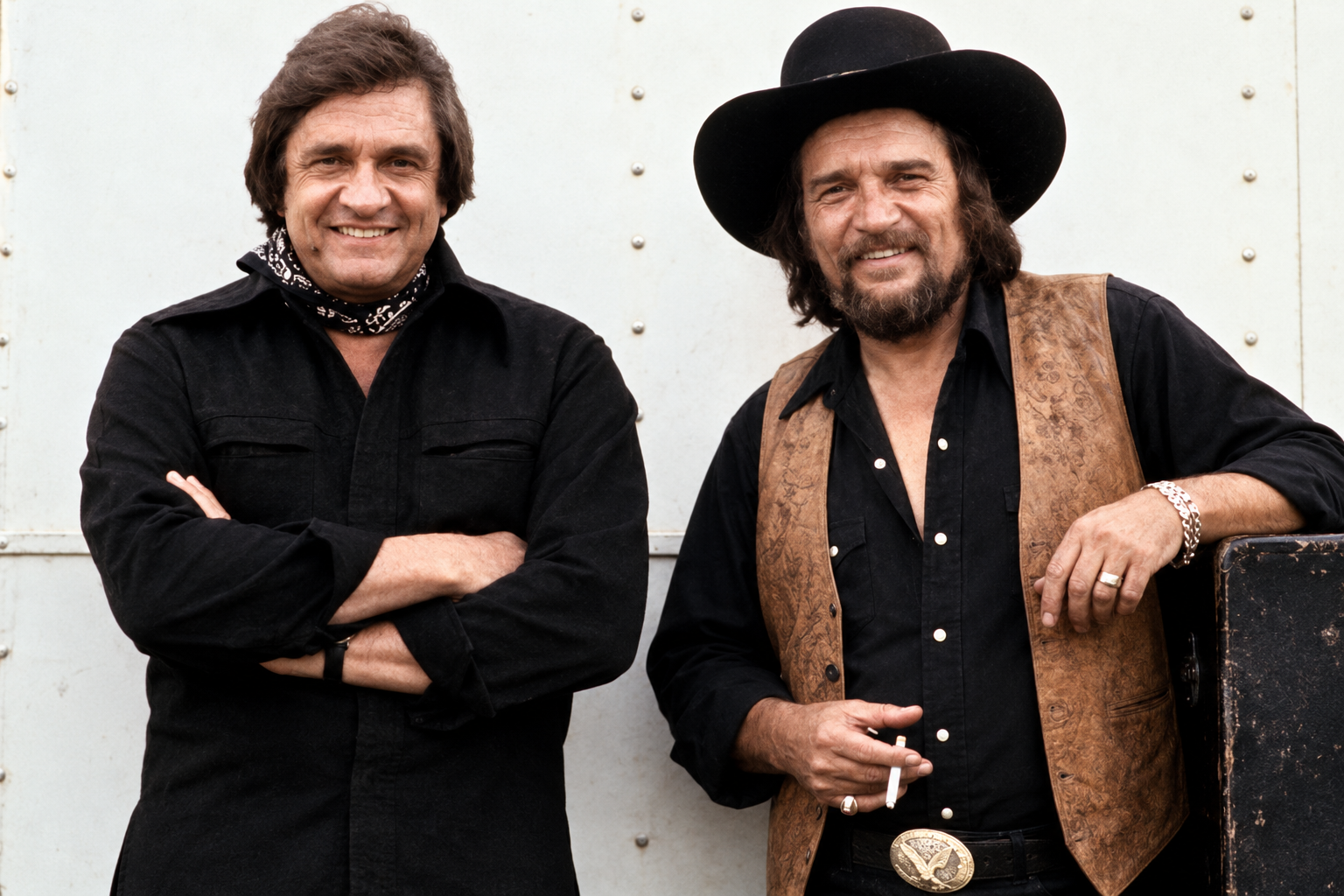
Johnny Cash wrote the inward half of that sentence in 1956. I keep a close watch on this heart of mine. I keep my eyes wide open all the time. I keep the ends out for the tie that binds. That is the first duty on this subject. Do not become the crop. Do not let solitude curdle into spite. Keep the tie that binds: the actual country, including the Longhorn who joined the thing and the neighbor who took the oath and meant it. Cash did not tell Memphis he was the last decent man in town. He told Vivian he would watch himself. A father writing about schools owes his own children that same watch.
Waylon Jennings wrote the outward half twelve years later. Only Daddy That’ll Walk the Line is what the vow looks like when the room has decided wandering is sophistication. The magazine has a seminar. The timeline has a crop. The drop-off line has parents who see the percentages and will only say so in the parking lot. Institutions will not walk this line for you. Fusionism soothes donors. The scorecard right wants a villain it can screenshot. A daddy who will refuse both costumes does not get a committee. He gets a ledger and a conscience.
I will do both halves in public. The available costumes are the crop and the lecture. I keep the watch. I also stay home.
What the pause is for
Divided Among Ourselves named the political wound. Mass immigration does not only add newcomers. It splits the people who were already here. Playgrounds sort into camps. Neighborliness thins. Natives fight each other over whether naming the change is a sin. Republicans do not repair that split by photographing a student fan section. They also do not repair it by telling Coppell parents the only moral language left is a National Review lecture about mobility.
They repair it the way I have said since April. Pause the inflows, legal and illegal, long enough for the pot to work again. Repeal the Hart-Celler architecture that turned family chains into a perpetual replenishment engine. Put English back in the public square as a duty, not a courtesy. Admit on merit and compatibility, at volumes closer to the country that still knew how to Americanize. Keep the cowboy hat. Lose the hotel theory of the nation.
McLaughlin wrote that turning our backs on the immigrant experience means turning our backs on ourselves. He has half of it. Turning our backs on the host is how the immigrant experience stops producing Americans. Coppell is what the second sentence looks like when the first sentence runs the district for twenty years.
I will not forget who came. I will not forget who received them. I keep a close watch on this heart of mine. I keep my eyes on the classroom that is already the census. Because this place is mine, I walk the line.
