Kharg as Catalyst, MOU as Pause, and the Path to Enforceable Peace
Well, here we are.
Just days after President Donald J. Trump’s pointed Truth Social signaling on Kharg Island: the credible threat to seize Iran’s primary oil export terminal and redirect those flows under American leverage, Iran moved. High-level approvals followed. The naval blockade held until the “transaction” advanced. Now we have the 14-point Memorandum of Understanding (MOU) signed, with a 60-day window for verification and deeper negotiations. The Strait of Hormuz prospects have brightened. Oil and gas prices have eased. Texas pump prices in competitive spots already sit in the low $3.20s, with broader relief working its way through supply chains.
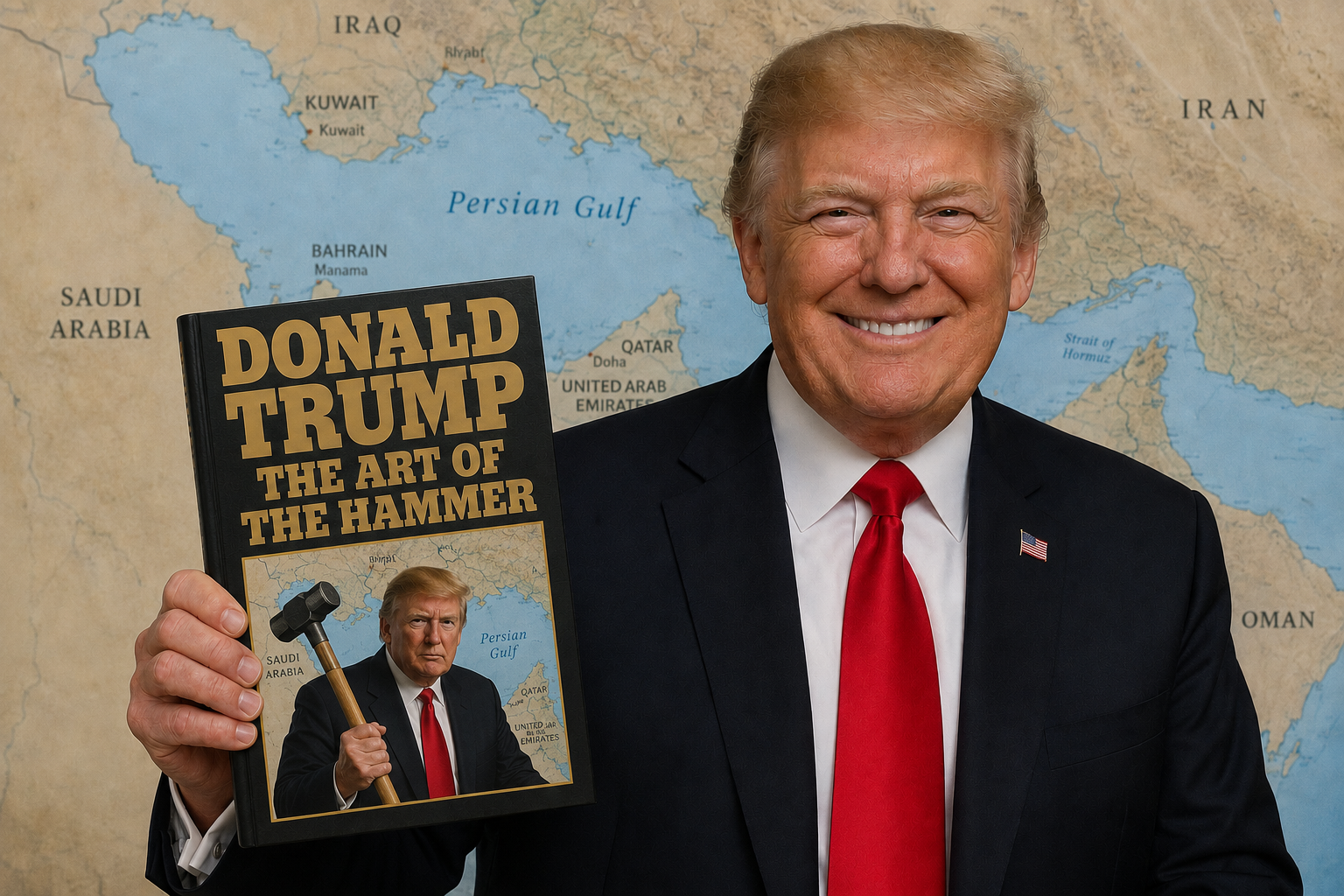
This isn’t surrender. This is The Art of the Hammer—maximum pressure paired with visible off-ramps, perception as weapon, and energy dominance as the ultimate backstop. It flows directly from the strategic clarity in “Trump’s Hammer on Kharg” and “The Art of Hormuz.” No more half-measures. No more endless diplomatic loops that embolden the regime and its proxies. The off-ramps were extended in good faith. Iran chose movement. Now the real test begins.
As historian Niall Ferguson noted in The Free Press, it is far too soon to call this a U.S. surrender. “The outcomes of wars depend on more than pieces of paper,” he wrote, drawing parallels to Woodrow Wilson’s ambitious 14 Points. Power realities on the ground, enforcement mechanisms, and relative shifts matter far more than initial text. Exactly right. This MOU is not a final treaty. It is a structured pause: a testable framework made possible by the credible shadow of Kharg.
If multiple sides are unhappy with it, that’s often the mark of a reasonable MOU—for right now.
The Kharg Catalyst: Perception Forced the Table
President Trump’s direct signaling on Kharg was no idle rhetoric. Iran’s crown jewel export terminal handles the vast majority of their crude. Threatening seizure and control of those markets (mirroring the Venezuela model of neutralizing threats while redirecting economic flows) raised the cost of stalling to unacceptable levels. Revenue collapse. Domestic pressure. Proxy funding squeezed. The regime blinked. High-level discussions accelerated. Strikes were called off. The MOU framework emerged with core deliverables: ceasefire extension (including Lebanon), nuclear pledges (no weapons, IAEA pathway), and Hormuz reopening for commercial flows.
Markets spoke immediately. Brent and WTI dropped as the risk premium tied to disruption evaporated. Texas families and refiners are already feeling early relief. This is “The Spice Must Flow” in action: secure critical chokepoints abroad to strengthen prosperity at home. The “Art of the Hemisphere” series—securing energy leverage for national advantage—has moved from analysis to demonstrated effect.
The MOU as Structured Rope: Interim Framework, Not Naïve Trust
Let’s be clear. This is a Memorandum of Understanding, not a comprehensive final deal. It buys 60 days (extendable) for verification and negotiations. Ceasefire locking, Hormuz safe passage, and explicit nuclear ban commitments are tangible wins on paper. Sanctions relief and the $300 billion reconstruction pool (regionally sourced, with U.S. facilitation) offer Iran breathing room.
But fungibility remains the eternal trap. Any inflows free up regime resources elsewhere. The IRGC will do what it does: fund Hezbollah, reconstitute Hamas capabilities, and rebuild ballistic missile programs. History is unambiguous. That is why escrow architecture—U.S.-controlled with strict performance triggers (full IAEA access, proxy de-escalation, enrichment rollback)—must be non-negotiable in the follow-on phase. Release funds only upon verifiable compliance. Otherwise, redirect them toward a “free Iran” future. This confronts diversion risks while preserving leverage.
Energy Dominance: America’s Structural Advantage
None of this works without the foundation we have built. The United States is the world’s top energy exporter—record LNG leadership, surging petroleum flows, and net exporter status that flipped the script from decades of vulnerability. This changes the power equation fundamentally. We don’t need Hormuz stability for survival; we benefit from it while holding superior alternatives.
Lower volatility feeds straight into disinflation across every vertical: transport, manufacturing, agriculture, retail. Grocery prices ease. Household budgets breathe. Texas energy infrastructure—Gulf Coast ports, LNG terminals, refining—wins on volume and predictability. This “good footing” is no accident. It insulates against shocks and protects midterm prospects. Democrats cannot easily weaponize pocketbook pain when prices trend downward through summer driving season.
Midterm Sequencing and Post-Election Realities
The political calculation is straightforward and legitimate. Perceptions drive elections. Sustained relief at the pump through November helps prevent a House flip that would dog the remainder of the term with endless oversight and obstruction. Stabilize now. Deliver results. Let any Democrat overreach or self-immolation unfold on stronger terrain.
Post-midterms, with improved positioning, the Kharg model becomes a live contingency. If IRGC perfidy materializes—missile tests, proxy escalations, enrichment creep—the demonstrated willingness to seize and escrow shifts from perception to potential action. “Bridge and power plant day” gains feasibility without immediate political headwinds. Enforcement teeth matter more than paper.
Lessons in Realpolitik: The Why Behind the What
This moment reveals deeper truths about statecraft, both globally and at home. Globally, realpolitik isn’t about naïve trust in pieces of paper or endless multilateral diplomacy that rewards bad actors. It is about sequencing pressure, testing intentions, and preserving leverage until behavior changes or costs become unsustainable. The Kharg threat worked because it made Iranian calculus personal and immediate: revenue denial at their crown jewel export node, with U.S. energy dominance ensuring we could absorb any retaliation better than they could endure the loss. Perception became reality. The regime saw a credible path to economic strangulation and chose the pause.
This MOU exists not as an end, but as a diagnostic tool. It forces visibility on enrichment, proxies, and financial flows. Expected violations (IRGC perfidy is predictable given incentives and history) then provide documented justification for enforcement. The “rope” is extended in good faith, but with clear knots and an American hand on the other end.
Domestically, the why is equally pragmatic. Energy is the lifeblood of the economy. Secure it abroad, and the benefits cascade: lower input costs across supply chains, disinflation at the grocery store and gas pump, stronger household budgets. In Texas, this isn’t theory: it is the backbone of jobs, refining, petrochemicals, and family finances. By delivering price relief now through the MOU’s de-escalation signals, we shield the economy heading into midterms. High gas or grocery spikes could hand Democrats the House, turning the remainder of the term into obstruction theater. A stable, improving economy removes that vulnerability and lets any Democrat self-immolation play out on stronger political terrain.
The broader why ties both realms together. America’s energy independence is the structural advantage that makes this realpolitik viable. We negotiate and pressure from abundance, not desperation. This MOU tests whether Iran can be managed short of regime change; the Kharg hammer keeps the off-ramp credible while preserving the escalation ladder. Follow the money, always. Revenue flows fund the IRGC’s nefarious priorities. Deny or escrow them wisely, and incentives shift. Secure chokepoints like Hormuz and Kharg, and global stability tilts toward American interests. This is prudent statecraft: not endless entanglement, but decisive leverage that strengthens the homeland.
The Path Forward
Monitor the 60-day window ruthlessly—enrichment levels, financial flows, proxy activity. Harden verification beyond IAEA limitations with national technical means, escrow audits, and ally coordination. The MOU is a pause. The hammer remains in reserve.
President Trump continues playing the long game with precision. Kharg as catalyst delivered the pause. Energy dominance provides the backstop. The spice must flow under American leverage for Texas families and national security.
The midterms await. Reward results. Reject the rhetoric.
